
Links
Transcript
HOST: ALICE CHENG
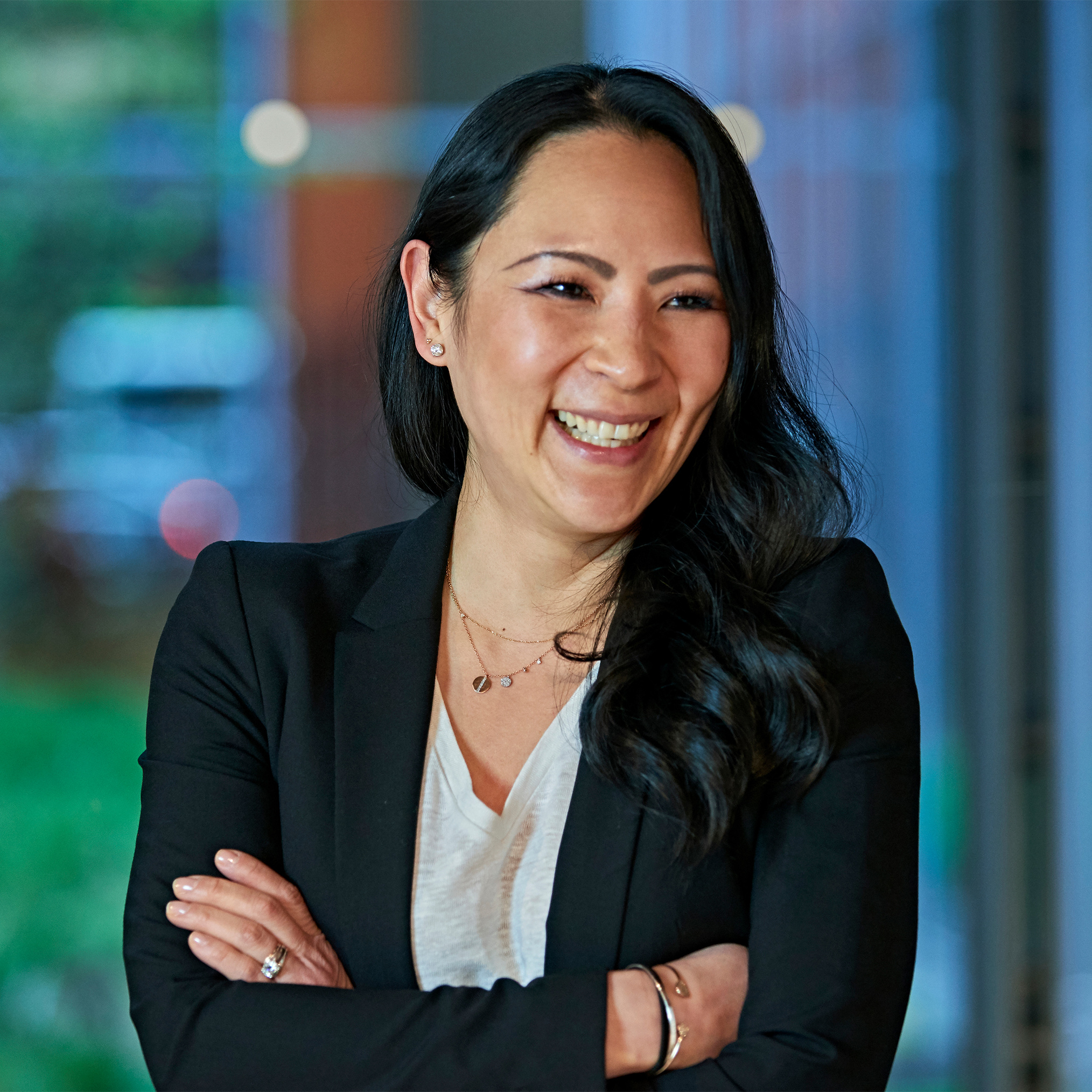
Welcome to Hospitality On The Rise, the podcast about the people shaping the hospitality industry and their journeys. I'm your host, Alice Cheng, Founder and CEO of Culinary Agents, hospitality's go-to hiring platform. And I'm here to give you your dose of virtual mentorship.
Here, we'll be sharing the stories, lessons learned, and advice from hospitality leaders who've carved out their own path to success. After all, this industry is where many get their start and go on to do incredible things.
Whether you're a pro, starting out, or just love the hustle, this podcast highlights what makes hospitality extraordinary, the people.
HOST: ALICE CHENG
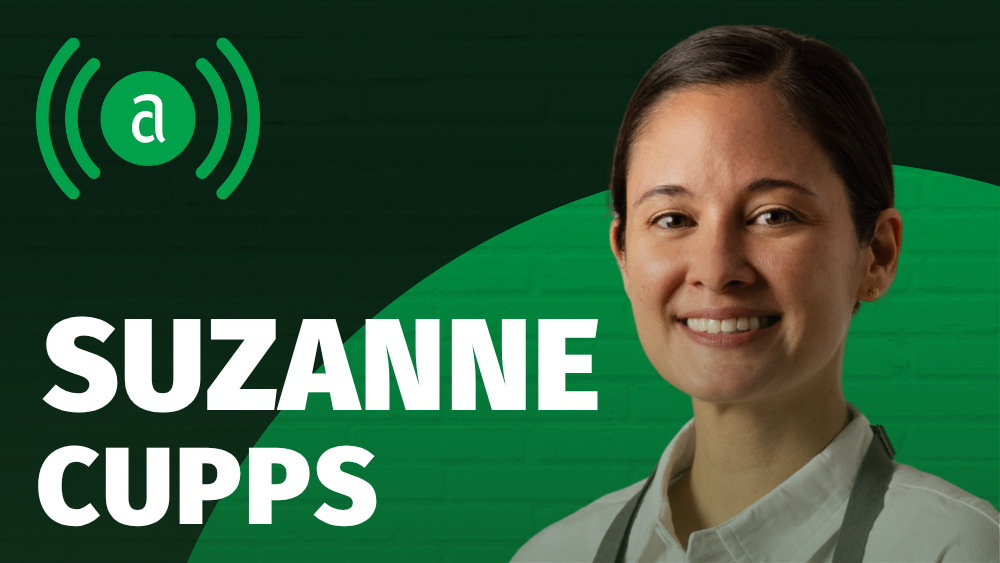
So excited to have Chef Suzanne Cupps with us today. Suzanne is the Chef-Owner of Lola's, which is a lovely little restaurant here in New York City. Suzanne, thank you so much for joining us today.
GUEST: SUZANNE CUPPS
I'm so excited to be here.
HOST: ALICE CHENG
I was particularly excited to have you on the show because I have had the privilege of tasting your creations and your cooking for many years at different restaurants. So kind of watched it evolve, and I've been very fortunate. So let's take a step back. How did you get into this industry?
GUEST: SUZANNE CUPPS
So I started in the industry over 20 years now, which is kind of crazy. Growing up, I was not interested in food, had no aspirations to be in cooking and hospitality, wasn't even really aware that that was a career when I was younger. And after college, I just couldn't really decide what to do. And so moved to New York back in 2002 and ended up my first year here at the Waldorf Astoria in Human Resources.And the team there was so vibrant. My boss was amazing. It was a very cool first New York experience to be working in the Waldorf. But I hated the paperwork side. It was so much computer, so much shuffling paperwork. And I just knew that that wasn't really for me, even though I loved the atmosphere.
So I kind of got hooked in hospitality working there and just through a series of friends. And even one of my coworkers went to Institute of Culinary Education, which I later went to, and she was doing these recreational baking classes. And she would bring in all these cakes and cookies that they made. And I had never heard of culinary school. It never had crossed my mind. And something like a little seed was planted then. And just through the next couple of years, something was just pulling me towards cooking, and I went and checked out the school and just kind of got hooked from there on.
HOST: ALICE CHENG
That's that gravitational pull of hospitality that you can't shake. So that's great. While you were at ICE, were you already thinking about, “One day I'm going to own my own restaurants”? Were you already doing that daydream or were you just like, “I'm doing this. I'm just going to do it and see where it goes”?
GUEST: SUZANNE CUPPS
No, there were no future plans. I really didn't know where it was going to take me. I didn't know who Daniel Boulud was. I didn't know who Danny Meyer was. It was nothing that I had studied or really understood. But something about the type of work, I liked standing, I liked the fast pace. I liked that, in culinary school, that kind of team environment. It was just something so different from what I'd ever experienced in life. Partially because I thought I hated cooking as a kid; I never wanted to be in the kitchen. And part of it was just the instructors getting excited, that challenge of using a knife, a tool that I hadn't really worked with, and every day trying to get better. And I already had like a perfectionist-type of personality. And so it was just that that work was intriguing to me. And I thought, let me just try out restaurants here. Let me just see what it was like, and then I could kind of see where I wanted to go. But there was no even thoughts of “I want to be a chef one day.” It was just “Let me see what kind of job I can get and how I like it.”
HOST: ALICE CHENG
Yeah, I love that. I mean, it's like, you know, different people have different approaches, obviously, and different people learn differently as well. And some people have the thought and the dream very early on, and then they go try it. And they're like, “Well, it's not really for me. I had a different expectation.” Or they realize that they don't like standing. They don't like doing these things. And so it's nice to hear you had the other. It sounds like school kind of opened up possibilities and actually helped you kind of discover it more.
And so from school, what was your first real cooking job like?
GUEST: SUZANNE CUPPS
Well, because I had no grasp of the industry, I didn't even know where to go. I was in class one day, and there was two women that I kind of were friendly with and they were around my age, and they knew more about cooking than I did. And one of them said, “I'm going to go to Gramercy Tavern for my externship,” and I said, “Okay, let me check it out.” So I went and I did my externship there, and that was before Mike Anthony–who I went and worked with later–that was before he was there.
But I had never been in a professional kitchen. So I went every day. I stood in the basement. peeled a lot of potatoes, I cut a lot of cabbage, I cleaned mushrooms. I just kind of absorbed it. It was all so new. It was hard and it was tough work, but it was interesting. I kind of even learned how to stand in a kitchen, how to stand on your feet for that long, how to get faster and do things better and understand one sous chef might want something and another one might–you know, it's all the dynamics of a kitchen. And so I did my, I think it was about three months there. And at the end, I shook the chef's hand and I said, “thank you,” and I left.
I don't even know if I had thought to ask for a job, but when I graduated from culinary school a month or two later, similar, one of the girls in my class said, “Oh, Annisa is hiring,” which was the restaurant from Anita Lo. And I didn't know anything about Annisa, but I went and I did a trail there, and she hired me on the spot, and I worked for her for six years. So it was a very interesting start.
HOST: ALICE CHENG
Wow, what a wonderful restaurant that was, and Anita's amazing, as you know. And staying that long in your first professional work experience is both to be commended, but also there must have been something that was drawing you there. What did you like about that culture, that learning environment, et cetera, that had you staying and growing?
GUEST: SUZANNE CUPPS
I think it was perfect for me in that it was a very, very tiny kitchen. The smallest I've actually worked in, and my kitchen is not that big now. But the team there was fantastic. Of course Anita was in the kitchen every day, and she had that teaching mentality. I didn't know anything, and she showed me everything. And then my sous chef was awesome. My first sous chef, my second sous chef was great, but all the cooks, even though it was so tiny of a kitchen, they all stayed. I mean, I think my first sous chef had been there for six years or something. The second one had been there and worked his way up through the stations and was there, I think by the end, maybe seven, eight years. I got along so well with the people that were on my left and right.
It was fun. It was hard, and you're in it together. And it's very rewarding work. And just that idea of coming in, doing it, doing it better the next day, just perfecting techniques versus checking them off because, again, I didn't really know what I needed to learn. I wasn't antsy about getting to the next level because I didn't know that I even was looking to get to the next level. And I just kind of really liked the work and liked who I worked with. So I think that's testament to the restaurant and just the reason why I stayed so long.
HOST: ALICE CHENG
Yeah, sounds like a great culture, work culture. And also kind of emphasizes the importance for people, especially nowadays, where there's more information available. It's like, doing your homework and taking a look at what kind of employer brand and cultures are out there. What kind of speaks to you, a smaller environment or a larger team or whatever, and couple that with what you need at that given time in your career. Thanks for sharing a little down memory lane. And so from there, what were you thinking about next?
GUEST: SUZANNE CUPPS
Well, I stayed with Anita for so long, and she knew it was time for my next step. There wasn't really growth there because my sous chef had been so long, and he wasn't planning to leave. So I kind of explored, but I really just wanted to go somewhere. I'd worked dinner for six years, and I really wanted to try a lunch shift. But as I looked at the restaurants, I was fairly competitive and not in a ruthless way, but just I wanted to work, be surrounded by great cooks, and I wanted to cook interesting food. So as I looked at lunch menus around the city–I was looking more fine dining–I felt that a lot of the places, I wasn't really excited about making sandwiches and basic food. And that's what I kept seeing. And so something just kept my eyes coming back to Gramercy Tavern. And I had met Mike Anthony, who was the chef there, a couple of years back when we had gone as a team, as an Annisa team, to lunch there. And because I had been there before, it was interesting for me to go back and try to become a line cook.
So Mike and I had a couple of conversations, and it took a little while, but eventually I joined their more AM team. And really it shifted the way I thought about food. It was such a big kitchen compared to Annisa, or compared to a lot of restaurants, for sure. And Mike's kind of devotion to local produce and the way he cooked and the way he spoke about food, it was very interesting to me, a lot of things I hadn't thought about before. And it really kind of drew me in. I liked the techniques. I liked that they were something new for me to learn and just kind of went in full force and with the idea of “Maybe I'll cook here for a year and just see. Maybe that's it, but let me just do one more experience,” and that's kind of where my head was when I started at Gramercy.
HOST: ALICE CHENG
Yeah, you make it sound so easy. I mean, I know that there is a lot of consideration and other things, and that's great. And you spent quite some time there as well, and you got promoted from within. Because it is such a big kitchen and because they see so many people–whether they're there for externships or they're there and they move because turnover just happens in this industry–what would you say were kind of the turning points or maybe a-ha moments as you were progressing in the kitchen? Did you say, “I want to be a sous chef here,” or how did that come about?
GUEST: SUZANNE CUPPS
Yes. I think that when I started, again, there was no aspiration there, but maybe like six months in, I saw someone get promoted, and I thought, “Oh, could I do that job? Do I have those skills?” And I started out in The Tavern, which is tough. You're cooking on a live fire. I'd never worked with anything like that before. So it's very busy. There's only a couple of cooks that work out there. It's hot.
HOST: ALICE CHENG
Everybody's staring at you.
GUEST: SUZANNE CUPPS
Exactly. And it's my first open kitchen. And once I finally got in a rhythm there, I thought, okay, I feel like I can kind of, not “master”, but I feel like I can do well cooking in this restaurant, and I progressed into the main dining room. Mike had put me on garde manger, and I had a conversation with him of “I have been cooking for six years,” which, it's not a lot of experience because it was only one restaurant, but a lot of people around me didn't have that much experience. So I thought, why am I on garde manger? I think I'm past that. And I was so thankful to him for putting me on that station because I feel like when I hit that was when I was able to pick my head up really just kind of progress in a way that I had never before. Sometimes it's like taking a step back is the thing that catapults you forward, and that attention to detail, that care, that kind of finessing all of your work versus just rushing through it was something I'd never had an opportunity to do, and I really, really loved it.
So after that, I moved pretty quickly through what they call the fish line. So Fish Middle, which was like the entremet station, doing a lot of the vegetables for the fish dishes. And then I became Fish Roast, which I really loved. And cooking fish was something, by that time, that was pretty much my favorite thing to do. That technique is, I think, different than any other station on the line or in any kitchen, is that more delicate nature of fish I really kind of, I don't know, fell in love with.
And during that period, I maybe had been there close to a year then. And I asked Mike if I could sit down with him because I did want to tell him, “Hey, I've never thought about this before, but I really would love to be a sous chef here. So what do I need to do? Do I need to work this station? Do I need to work at night? Whatever it is, I'd like to put my name in so I can get there.” And maybe three, four months later, I got the promotion to sous chef. So I was a sous chef at Gramercy for three years. And it was amazing. It was hard, but it was amazing.
HOST: ALICE CHENG
Yeah, and I'm going to extract a couple of really great nuggets there. I didn't want to interrupt you. I mean, well first of all, Mike Anthony is an amazing leader and mentor, et cetera. So it's great that you had that trust in him and he had that trust in you to say, “Hey start here at garde manger, etc.” You know, it kind of proves also that I always say, like, titles are titles, right? Sometimes, especially in the restaurant world, like garde manger from one restaurant is maybe different than another restaurant versus another restaurant.
Personally, I think that's one of the challenges. People say there's a line cook shortage, I'm like, well line cook is such a broad term that depending on what the individual or that business needs, it could vary, right? And then like you said, once you did that, it opened up your eyes to different things, and I feel like a leader like Mike knows… he knew that was gonna happen, right? I mean, he set you up for that in a good way.
GUEST: SUZANNE CUPPS
For sure.
HOST: ALICE CHENG
And then the second piece was, you felt that that was something that you wanted, to have the conversation and to understand what needs to happen in order to get what you want, right? And I feel like those things sometimes get lost in the mix due to just busyness, competitive nature, different leadership styles, et cetera. So I love that you shared that, thank you. And so fast forward. So now you’re a sous chef, fast forward, and obviously there was a new location opening up that you eventually went to take the helm of. How did that come about? Did you ask for that too?
GUEST: SUZANNE CUPPS
No, no, I, again, at that point, I was so happy with my job. It didn't matter that it was hard. I was learning every day. I liked the people I worked with. I loved that restaurant, and I had no plans to leave it or to do anything else. I really had no plans to move up. And Mike had the opportunity to open Untitled restaurant. So the Whitney Museum that was in the Upper East Side moved down to the Meatpacking, and it was a very big opening. And so they wanted to open Untitled in the museum. And Mike was going to be the chef of both Gramercy and Untitled. And he spoke to me about coming with him as a chef de cuisine.
I mean, I can't quite remember my exact emotion or the exact conversation we had. But I think it's just that it was so unreal and so beyond my imagination that it almost feels like it didn't happen. So it was a really cool experience. It was my first time that I ever had to do a tasting; I had to do a tasting for Danny Meyer. Because even if Mike wanted to bring me, I had to prove that I could become the chef de cuisine. And there were so many uncertain things.
I was nervous because I'd only had two restaurant experiences, Annisa and Gramercy. And Mike and I were going together to Untitled. So we had been cooking food like Gramercy. So what was Untitled food? How did I come up with anything different if I didn't know anything different? And so I expressed that to Danny, and he heard it, and we talked through it. And he had actually, before the opening of Untitled, he sent me to London to stage with some of his friends and the restaurants he knew there so I could have some really different experiences and go into the opening, being inspired by different types of cuisine. So that was a really cool moment for me. There were just lots of things that I had never done before, even just understanding what it means to open a restaurant and to hire staff and to train sous chefs and to inspire them and all the parts that go with it.
HOST: ALICE CHENG
Yeah, I love how all these pieces kind of lead up to you opening up your own spot eventually, I'm sure pulling from all the different experiences. Oftentimes people say get experience on an opening team or learn how to do all these things before you just jump into having your own place. And congrats, I believe you were also the first female executive chef, eventually got promoted to executive chef under Union Square Hospitality Group at the time.
GUEST: SUZANNE CUPPS
Thanks. Yeah.
HOST: ALICE CHENG
So fast forward, obviously we had that little pesky thing called the pandemic that hit in between. But even before that, you had moved to a new concept, a different restaurant within kind of the orbit, I would say, of Danny Meyer, I guess.
GUEST: SUZANNE CUPPS
Sure, yeah, loosely.
HOST: ALICE CHENG
How was opening that location different from your other opening experience and some of the other things that you did?
GUEST: SUZANNE CUPPS
Yeah, so I was at Untitled for four years, and I wanted to kind of keep moving forward, and I had a good conversation with the folks that were running Dig Inn. So it was a fast casual concept. They were very aligned with the idea of produce and sourcing vegetables. They had their own farm upstate. It was a very cool kind of a dream that they were having, to open their first fine dining or full service restaurant. And one of my very good friends, Katie Bell, who worked in a lot of really top restaurants here in New York, and I had worked with her at Untitled, was their opening director. And she kind of introduced me to them and the idea of this little restaurant in the West Village called 232 Bleecker.
And so I did open that as the chef in December of 2019. And it was just such a romantic little restaurant on the corner of Bleecker and Carmine in the West Village with a wood burning hearth and just a really talented team of folks, front and back, and cooking vegetable-forward dishes. I was able to kind of take a step, I think, from my cooking and my cuisine at Untitled and even just try out something a little new and was so proud of it. And that opening was also hard in a very different way.
But the unfortunate thing, like a lot of people experienced, we were three months to the day when COVID hit. So we were thankfully kept open through most of it, but we did all the pivots. We did all the delivery, outdoor dining, wine shop, you name it. We did the things that everybody did to survive at that time. And I do feel like because I was working garde manger again–there was two of us on the line most days–because I was doing all that, it really allowed me to get the confidence of like, okay, I'm no longer the chef. I'm helping run the business. We're pivoting every day depending on what's happening. And it just really gave me that confidence to say, “Okay, I have never dreamed of my own restaurant, but I have more experience. I've gone through so many things that aren’t just chef anymore that maybe this is the time for me to step out on my own.”
HOST: ALICE CHENG
I love that, and I think if we can extract any positive moments out of COVID, it is that a lot of businesses and individuals were forced to either learn new skills or figure things out differently. Those skills were beneficial in future things. What is it, like, forced change or forced learning?
GUEST: SUZANNE CUPPS
Yeah.
HOST: ALICE CHENG
So now you're like, “Okay, I think it's time to do my own thing.” Did you start conceptualizing and already started to look at spaces and stuff?
GUEST: SUZANNE CUPPS
I really had no idea how to even go about it. And I think, of course, the number one scariest thing is how do you even afford it? And thankfully, because I had worked in the same restaurants for a long time, I really got to know the guests. I got to know people; we had open kitchen, not just at Gramercy, but Untitled and then Bleecker. And I got to know a lot of the guests, and a lot of people said when I was leaving 232 and I was leaving Untitled, “Hey, if you ever think of something, let me know.”
And so it was really through the support of a lot of our former regulars–and not even just financial support, but just introducing me to someone to have a conversation, someone who had expertise in an area that I had no idea what I was doing. It was only because of all of the generosity of the people around me was I even able to even start the process. But it was hard. It was very unfamiliar. It was nice to be doing something new and be challenged in a different way, not just in the kitchen. But it took at least two years, kind of, to not even get the doors open, but to have the restaurant even start construction.
HOST: ALICE CHENG
Wow, and you just recently had your two year anniversary as well, right? Congratulations.
GUEST: SUZANNE CUPPS
Yes. Yeah, just the beginning of this month, two years.
HOST: ALICE CHENG
Yeah. I'm sure there's a whole list of them, can you remember one thing that was really like, “Wow, I didn't expect this. This is pretty hard” when you opened your doors or leading up to it?
GUEST: SUZANNE CUPPS
I don't want to just be generic about it, but it was kind of every moment. Friends of mine said, “You just got to push through it.” Kind of every moment of, like, finding the space took almost two years. Not even starting the lease process, but just even finding a space to possibly move forward with. The lease was just so challenging, and at any moment, it felt like it might fall apart. So my attorney was amazing and gave me great advice, but it kind of felt like at every turn, something might not go right. They might pull out, they might go with someone else.
So that I feel was probably one of the biggest challenges, was that just initial getting the space. And a lot of people didn't really want to sign on as investors or give money until they really saw you were serious. They didn't want their money just sitting in an account, waiting for a space to come about.
So it was a little really nerve-racking, I think, kind of going for it, signing a lease without having funds to kind of continue the project. And so it was just every moment me asking a lot of favors, like, “Can you introduce me to someone?” “Do you know anybody that does this X?” And I think people really stood up for me and kind of came in to help at moments. There's been lots of challenges, but just because it was so new and so foreign, I think that lease process was the hardest.
HOST: ALICE CHENG
Yeah, I always take a breath before I ask that question, because I'm like, I know… I mean, even that there's probably all sorts of things. But that's also a testament to two things. One is the networking, the relationships, the way you took care of your guests and people over the years. I bet a lot of people were very happy and honored to help you out as well and continue to support you. But then also ask for help, right? I think a lot of people, especially in hospitality, it’s like everyone gives gives gives, and it's kind of like nobody… sometimes people don't ask or don't know what to ask for and don't even start that process. I always believe that people genuinely want to help, but the easier you make it for them to help you, I think that is the most efficient part of the show. And congrats. Well, what's next for you?
GUEST: SUZANNE CUPPS
Oh, so right now I'm at home, but in general, I'm pretty much in the kitchen all the time. We've just expanded to the most services we've ever had. So we're now seven nights a week and we're doing four lunches.
HOST: ALICE CHENG
Amazing.
GUEST: SUZANNE CUPPS
Things have evolved and we're so lucky that, not just to bring our vision to life, but to understand what does the neighborhood want? We're in a neighborhood with a lot of great hotels. What are the hotel guests, what are they looking for? And I think my identity around food and who I am as a chef has really narrowed in. And I think the most exciting thing for me is that I feel like I'm cooking different food than I ever have. I feel that creativity. It doesn't feel stagnant. It almost feels like I'm being inspired and creating food that I had never done in ways I had never done before.
And I think that that's an exciting part because when you're running a restaurant, there's so many other factors. The business side is really challenging, even just the operations of pushing service through is hard. And to feel like I continue to have ideas that I'm excited about and just kind of honing in on our concept is a great place. So there's not really anything past Lola’s right now. It's really just kind of continuing to keep our business healthy and our guests excited to continue to return. And a big thing for me is to do what was done to me, which is mentoring and teaching.
So it is a lot of that. It's a lot of, you know, I'm getting older and the cooks are definitely getting younger. So it's that constant teaching and–not hand holding, but kind of showing and guiding and working alongside the team. Which is kind of my focus right now, to grow our team and see where we end up next.
HOST: ALICE CHENG
Yeah, I love that. And for those of you who haven't had a chance to enjoy Lola's, make it out there. It's got a beautiful bar in the front, and then it opens up and there's seating all around. The food is delicious. I remember having, I mean, there were several standout dishes, but you know, obviously you are very skilled with vegetables. And when I had the cabbage side dish, it took me back to like, childhood memories in some interesting way, but it's so wonderful.
And I mentioned earlier, having had your cooking at different places, Lola’s, obviously it's yours, but it's definitely different. And you can tell, and when we talk about mentorship and leadership and who to work for, I think it's important to share these timelines. Because if somebody is considering working, for example, with you, they're also getting kind of a consolidated version of different experiences that you had and then combined with your perspective and your own personal touch, which is really special. So congrats to you, and I love that. And you do absolutely have that reputation in the industry as well as a teacher, a mentor, a patient leader.
So kudos, because it's hard, especially with dealing with all the pressures and aside from just service, right? So thank you for sharing. That is really great to get some of the additional details behind the career path other than just seeing where you've been over the years. But on that note, we're going to go to quick fire.
GUEST: SUZANNE CUPPS
All right.
HOST: ALICE CHENG
What advice would you tell your younger self?
GUEST: SUZANNE CUPPS
I would tell myself to kind of not go too fast. I think that the periods of my life where I just kind of was always pushing forward, I missed some of the moments. And I think that if I could go back to some of those line cooking days or some of those moments as sous chef, I would because I think that cooking is all about being in the moment and not being too antsy about what's next and just really enjoying the craft that we get to do every day.
HOST: ALICE CHENG
What's your advice for someone struggling in the industry?
GUEST: SUZANNE CUPPS
It's not for everyone. But if you feel passionate about the subject matter, which could be the cuisine, which could be the type of work, whatever it is that draws you into the industry, you really just have to have patience. What I tell my cooks is that when they start a new station and they're not doing well and not excelling yet is that if you already got it and you already were mastering everything the first day, the first week, everybody would do it or there would be no use for it. Cooking is one of those crafts that you have to do it over and over and over again. And if you don't have that passion, you don't love it, it might just not be for you. Don't force it if it doesn't feel like it's something you want to really dig in and spend the time to excel at.
HOST: ALICE CHENG
What's your advice for fellow hospitality leaders?
GUEST: SUZANNE CUPPS
I think that being in it with the team is really important. Working side by side with those who are struggling, who are not getting it, those who need inspiration, it's very hard to just constantly correct verbally or to have sit downs and for people to not experience how you do things. And so I think there's something–I know not every chef is able to spend all their time in the kitchen, but I do think that leading by example and actually in those hard moments when you're short-staffed or when you've got a really difficult week, getting in there with them, whether it's cleaning the line at the end of the night or putting away produce or just taking something off their plate really just goes a long way for your team.
HOST: ALICE CHENG
Alright. On that note, thank you so much, Suzy, for sharing your timeline and learnings and advice. We can't wait to see what's next.
GUEST: SUZANNE CUPPS
Thanks, Alice. Appreciate it.
HOST: ALICE CHENG
Remember, success looks different for everyone in hospitality. No two paths are the same. If you have a leader or a topic you want to hear about, email [email protected].
Hospitality On The Rise is brought to you by Culinary Agents, connecting top talent with employers since 2012. Whether you’re hiring or looking for your next opportunity, join us at CulinaryAgents.com
For more inspiration, subscribe to Hospitality On The Rise and visit HospitalityCareerPaths.com, a free platform by Culinary Agents.
Thanks for tuning in! Remember to like, follow, and subscribe. And if you loved this episode, share it with someone who could use a little inspiration.


