Links
- Eleven Madison Park (Instagram)
- Eleven Madison Park (Website)
- Daniel Humm Hospitality (Website)
Transcript
HOST: ALICE CHENG
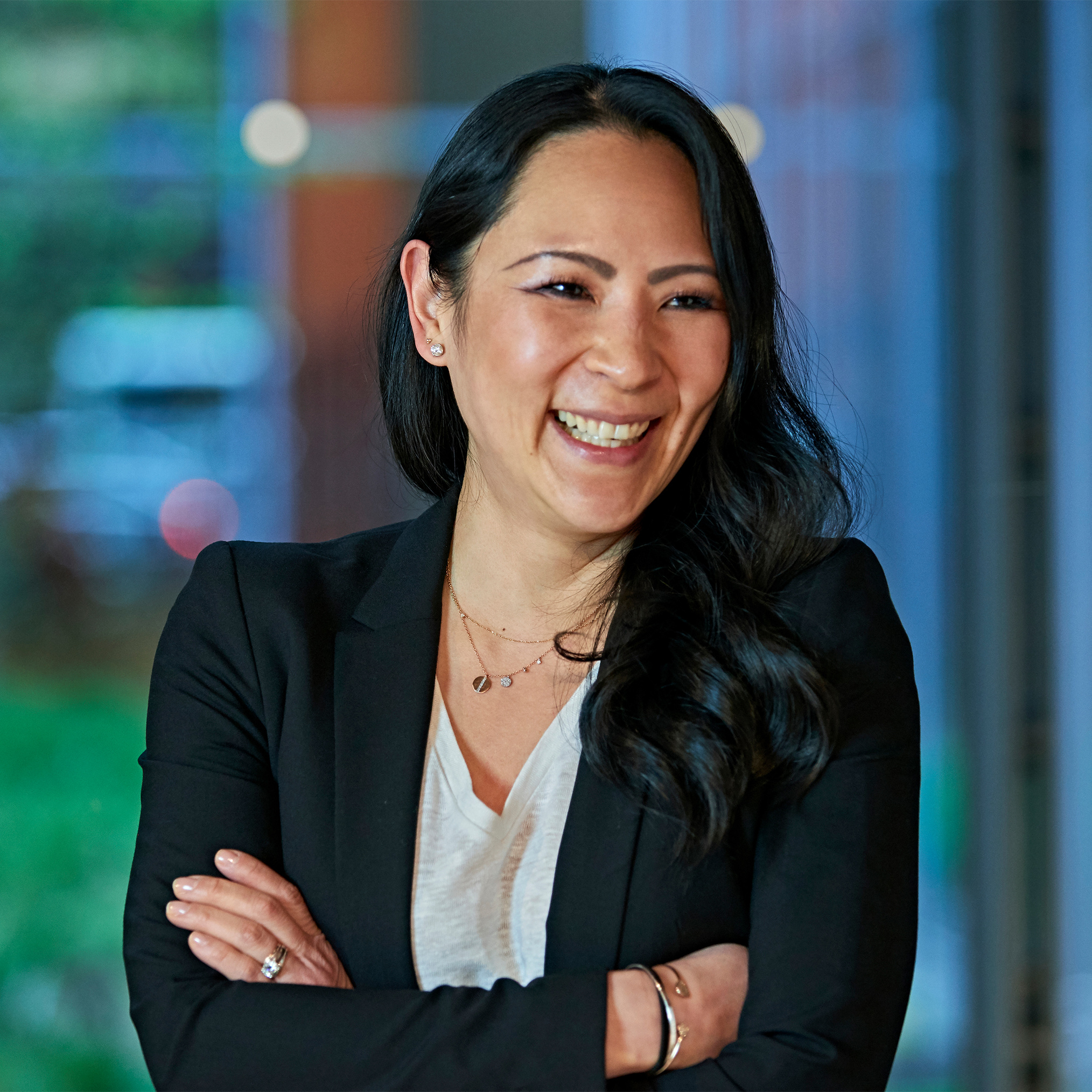
Welcome to Hospitality On The Rise, the podcast about the people shaping the hospitality industry and their journeys. I'm your host, Alice Cheng, Founder and CEO of Culinary Agents, hospitality's go-to hiring platform. And I'm here to give you your dose of virtual mentorship.
Here, we'll be sharing the stories, lessons learned, and advice from hospitality leaders who've carved out their own path to success. After all, this industry is where many get their start and go on to do incredible things.
Whether you're a pro, starting out, or just love the hustle, this podcast highlights what makes hospitality extraordinary, the people.
HOST: ALICE CHENG
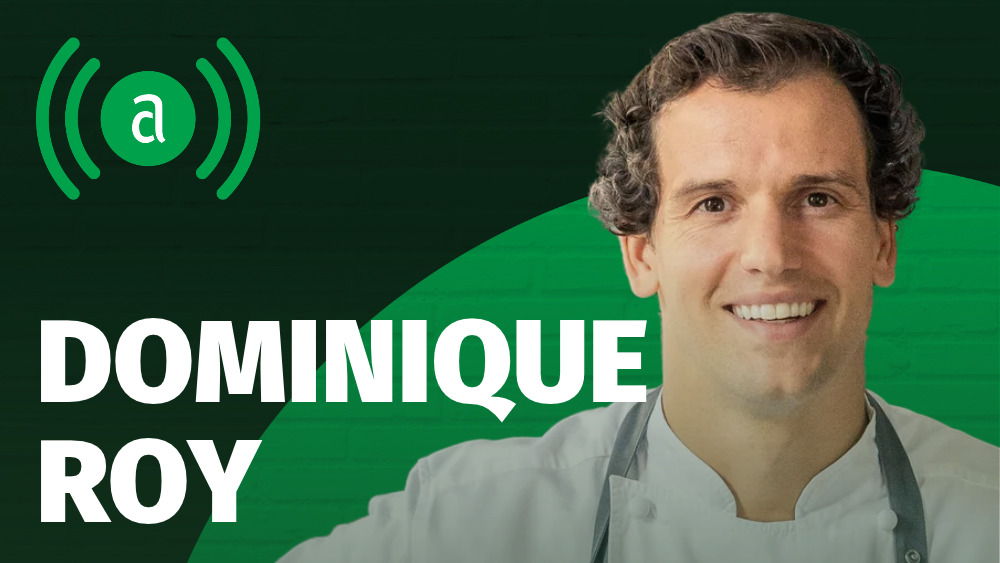
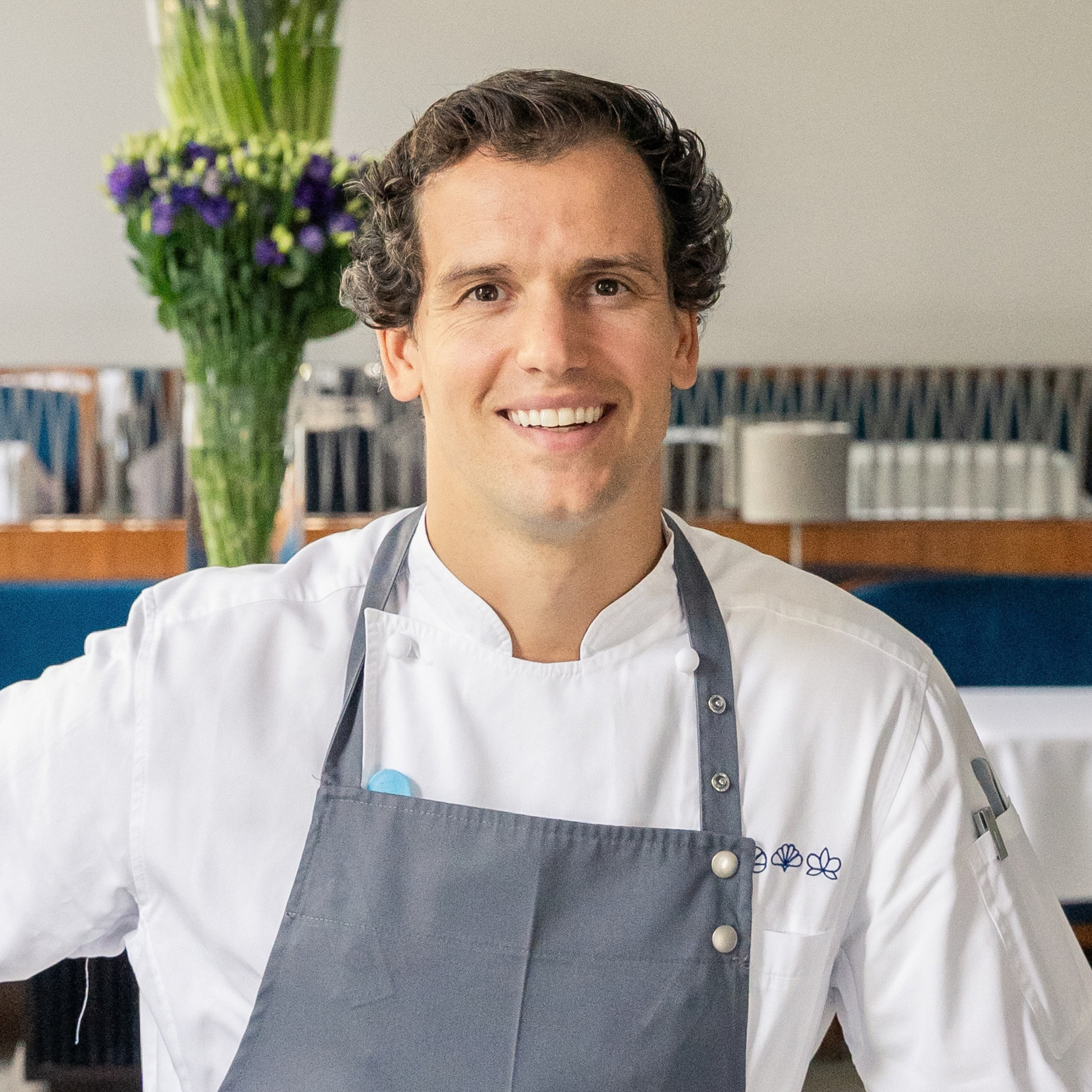
I’m so excited to have with us today Chef Dominique Roy. Dominique is the Chef de Cuisine at Eleven Madison Park. Take a breath there, that's one of the most well-regarded restaurants in the world here that has racked up every accolade. He's also a Partner at Daniel Humm Hospitality. Dominique has celebrated, what, 10 years at EMP recently, so we're gonna get into that a little bit. And not to talk too much about EMP here there, but since 2012 three Michelin stars; currently on La Liste Outstanding Restaurants; 2017 World’s 50 Best World’s Best Restaurant #1l World’s 50 Best, won the inaugural Act of Hospitality Award; and 2016 JBFA Winner Outstanding Service. So Dominique, thank you so much for joining us today.
GUEST: DOMINIQUE ROY
Yeah, thanks for having me. Excited to talk.
HOST: ALICE CHENG
Yeah, right before we started, I was saying, I can't believe this is the first time we've officially met, although probably on email and and and virtually many, many times. So let's roll it back. How did you get into hospitality?
GUEST: DOMINIQUE ROY
Yeah, well, just cooking in general started actually when I was really young. My mom was a great, great chef, cooked all the time, was also making bread, really, really often. And that's literally one of my first memories, was being on a stool, on a little step, being I think I was four or five years old, and she was teaching me how to knead bread on the counter. And literally this is like, yeah, one of my fondest memories of me starting to cook and just loving food in general. And as I grew up, I was always cooking with her, and then even when I became ten, eleven, twelve, I was asking for cookbooks. Usually it was, like when I was younger, it was more about baking, making cakes and things like that. And I just realized I just always loved cooking, and I was cooking a lot at home even as a kid. I was interested about food.
And then there was one day where I was in high school and we had this career exploration day, and I just decided to go to a culinary school and say, “Okay, let's see how it is to spend a day there.” And then I spent the entire day cooking, being with those students, and seeing what it felt like to be in a real kitchen and being in a culinary school, and I absolutely loved it. It was just so fascinating to me. There was so many things to learn. It was also fast paced. There was a lot of really cool things happening, and I was like, “You know what? I think that's it. I think I just wanna be a chef.” And I was fourteen years old then, and that's when I decided I was gonna go to culinary school as soon as my high school is done, and that was it. Never look back.
HOST: ALICE CHENG
Wow. So yeah, some people realize it's later in life, and some people know right away. So I mean, there's a lot of benefit to that, right? You can kind of start mapping out your path and get started as soon as possible. Both are good. Everybody gets there their own way. And you grew up in Quebec, was it?
GUEST: DOMINIQUE ROY
Yeah, exactly. I grew up next to Ottawa, about an hour and a half from Montreal. And yeah, that's where I grew up. That's where I started cooking, went to culinary school as well, had my first fine dining French restaurant that I worked at there, and then after that moved to Montreal as well.
HOST: ALICE CHENG
And what brought you to the States… after culinary school? Take us after culinary school.
GUEST: DOMINIQUE ROY
Yeah. So after culinary school, I went to France. I went to work over there in a brasserie called Chez Blanc from the renowned chef there named Georges Blanc. And I worked there and I loved it. It was really eye opening. I was nineteen years old at the time, I was really young, and the culture back then and in France was completely different than culture we had in Canada. It was a really intense and challenging environment, and I learned a lot and matured a lot as well. And then after that, came back and then I worked for about a year or two in Ottawa, and I moved to Montreal as well, and I worked for Grand Chef Relais & Chateau there named [], that's the Michelin star, and I spent a year there working there.
And then after that, came back in the Ottawa region, started to do competition. And I started to fall in love with competition. I just love the intensity. So started with a competition that was done by La Chaîne des Rôtisseurs, which is a really old organization from France where they invest in young sommelier and young chefs and young different industries to get them to compete. And I've done several competitions with them that were called Black Box, where people give you just a box with a bunch of random ingredients that you had not seen until the competition, and then you just gotta create a meal for four people in a few hours. And that intensity, that competitiveness, but also all the hard work that goes into preparing yourself and the training to do those competitions was really what I got hooked into.
And back then in Canada, there was no Michelin stars yet, so I really wanted to find… I was always thinking about what can I do to just better myself and what can I do, what can I learn, and I was always so curious about food and about finding ways trying to be the best chef I could be, and I loved fine dining and competition kind of was one of my first. That and working in France and Montreal too where I started to see how far food could go. And I started falling in love with that.
And then went to work with Culinary Team Canada, and I loved that too. There was some of the best chefs in Canada that I got to train with for an entire year there, and it was really, really special experience. And I think after about two years, two to three years of competing and working in restaurants as well, I realized that the intensity and the organization and the level at which we were pushing in competition was what I wanted to do, but seven days a week, all the time. I just wanted to do that, all that, and then I loved I had great job and I loved what we were doing, but the difference of levels between what I was doing as a work on a daily basis and what I was doing in competition was just a different level. And I was like, this idea of how we really try to be the best in the world and try to compete, and think about every single details to better itself, was really what drove me and got me so excited.
So I was talking to some of my chefs, and I just always had these ideas and thinking about all these restaurants I wanted to work at, whether it was some Michelin stars in Europe or in the States. And then I was a huge fan of The French Laundry for many, many years and a huge fan of Thomas Keller. And one of my mentors in the Culinary Team Canada one time told me, he was like, “Well, [I] think if you really want to be one of the top, then you need to go to one of the top restaurants, some of the restaurants that are on the top ten, simply going to some of the best one.” He's like, “Pick one of the restaurants in those top ten, go work for them and don't give up, and that's how you'll get what you need and what you want.”
And I already had Eleven Madison Park’s cookbook. I think Eleven Madison Park’s cookbook and The French Laundry cookbook were probably two of the most important cookbook I had in my career. I mean, still to this day for me, these two books are really… I just draw a lot of inspiration from it, and I think that they're still, to this day, really relevant, which is really, really amazing and really impressive.
HOST: ALICE CHENG
Yeah.
GUEST: DOMINIQUE ROY
That, I think especially with food and you see it in different arts too, where over the years things sometimes get dated, but those books are kind of timeless which is really amazing. And that's when I decided to come to New York. So I left my position in the Team Canada, I quit my job, I had a house back home, I left everything and I just took a backpack. I was twenty-four, twenty-five, and I was, okay, I guess it was my mid-twenties crisis, and I was like, I've done a lot of things. I traveled, I competed, I did all these things, but now I just need to work with one of the best restaurants in the world. So New York City was the place I needed to be. There was so many incredible restaurants back then and still today.
So I left with a backpack only and came to the city and started to knock on doors, but knowing that the place I really wanted to be was EMP. And then I got to trail here, met with the chef de cuisine back then and then cooked a dish, spent the day trailing, and then got hired. And then I ended up staging another restaurant too, spent a whole month. And then left after that, went to work on my visa and then came back. And that was, yeah, almost eleven years ago, like ten and a half years, eleven years ago. Yeah, so that's how I got to New York.
HOST: ALICE CHENG
I love these. You could sum up your whole life in 15 minutes, basically.
GUEST: DOMINIQUE ROY
Right.
HOST: ALICE CHENG
No, I love that. I mean, look, we talked about how you started early, right? Sometimes, in your case, you identified early on that this is something you wanted to do. And the benefit there is you can kind of do the research, you can kind of map it out and figure out “what do I need to learn or what experiences do I want until I get to my milestone and then what else do I want?” Right? So there's a lot of benefit there.
And the whole competition thing I think is quite fascinating because I feel like outside of the US, the culinary competition in a more broader organized fashion, I feel like is a little bit more common. I mean we have Bocuse d’Or, which the US participates in, but other than when you're describing the Black Box thing, I was thinking, “Oh, Chopped,” you know?
GUEST: DOMINIQUE ROY
Yeah.
HOST: ALICE CHENG
So it’s great that, I mean, you were able to kind of satisfy that kind of, the competitive nature, if you will, of the career and you were also working at the same time. So now every day is a new competition, right? With yourself.
GUEST: DOMINIQUE ROY
Yeah, exactly. And I think these things are so cool, and I think they're so important. And there is competitions and opportunities like this all around the world. Some people are attracted to that, some are not. There's different styles. There's, like you said, Top Chef or Chopped or these things that are also different types of competition that are also really cool. Bocuse d’Or is its own thing.
And I think for me in Canada, especially like twenty years ago when I started cooking, this was really kind of the way to get to the highest level in the culinary world. And after that, really I think for years Michelin is probably one of the most prestigious guide in the world, if not the most prestigious culinary guide in the world. But not everywhere around the world have Michelin stars.
HOST: ALICE CHENG
Right.
GUEST: DOMINIQUE ROY
So I kind of over the years really kind of found what was right for me, what I love doing, and yes like you were saying, when I got to New York and I got to work with Chef Daniel here and it was really… yeah everyday every day is a competition. The intensity, the preparation, the level at which you work and also one thing that I love so much in the Culinary Team Canada was the people. The people were so special. They were so talented, they were so dedicated. There's such hardworking people that just thought about food all the time.
And then I got here and this entire restaurant and this entire city as well. But this restaurant's filled with insane and amazing chefs from all over the world. And same thing with–and even if you look at every single piece, every single department too, that everyone and each of their own world.
And I know I said it about the city, but that's also the energy of New York City that I love so much. It's everyone comes from everywhere, but everyone is so passionate about what they do and we all live in our own world about our food, about hospitality, about wine, about art, about what we love. And it's cool to be in a place where you're surrounded by so many passionate people.
HOST: ALICE CHENG
Yeah. And what's great also with this industry is you can get different experiences. You can start at EMP, and it's a very specific style of intensity, and the bar of very, very, very high, right? And learn what you want from it and meet some great people. And if you decide one day that that's just not the level that you wanna continue at for whatever reason or you wanna learn something else, there's so many other options, right?
GUEST: DOMINIQUE ROY
Yeah, no, a hundred percent. I mean, this world is so broad, and there's so many different outlets for chefs, and I think that's one thing that… You know, you were talking about the difference between starting early or older, and I think I was really lucky to find out so young what I wanted to do and to be so passionate about food and just continue doing it. But at the same time, sometime when you also start later, you are more mature. You are smarter. You are later in life.
And I have seen so many people that started later that knew exactly what they wanted. Right? They started maybe five years later than me or ten years later, but they knew–and I think if I think about when I was fifteen or I was eighteen, I knew I loved food, but I wasn't sure exactly what I wanted to do. I wasn't sure if fine dining was gonna be it. I loved pastry as well. I went to pastry school. I worked in some different style of restaurants.
And probably one of the best advice I had as a young chef from one of the great sous chefs I had worked in younger in my career, when I was really young and I was so excited about everything food. Everything food and wine, service, all these things, and he was like, “Well, you're really excited about this, and you're working hard and you're talking that you wanna have your restaurant, you wanna do all these things, and you wanna go… Seems like you're really ambitious. But if you are that ambitious, you also need to be focused, and you need to decide exactly what you want.”
And that really took me some time to actually decide and understand what was for me. Because it's like you won't be doing some class on the weekends and you're going to pastry school and do work in the baker in the morning and work in fine dining. I mean, you'll get to know everything but you're never gonna be the best at one thing. So he’s like, “I think you need to figure out exactly what you want, and after that, just put some focus and dive deep in that one area…”
And that's what I've done, that's what I've done since I'm in my twenties. And still to this day I'm like, oh my god, I'm still so far from where I wanna be. There's still so much to learn. I can't imagine trying to know so many different things at the same time as well.
HOST: ALICE CHENG
Yeah, well look, I think we can all agree that this is a really hard industry, regardless of what position you're in. And to have that curiosity and that passion and that interest is really important, right? Because there's something for everyone, but it's not for everyone, right?
GUEST: DOMINIQUE ROY
Yeah, no, for sure.
HOST: ALICE CHENG
And you've seen your fair share because you've gone up the ranks while you've been at EMP. So talk me through a little bit of your growth within the different positions at EMP. Do you remember what was the biggest difference from… You joined as a sous chef, right?
GUEST: DOMINIQUE ROY
No, I actually started cooking. Yeah, I started as a cook. Yeah.
HOST: ALICE CHENG
Oh, okay, even better.
GUEST: DOMINIQUE ROY
Yeah, I started in garde manger, I started on cold app, so cold sections, and was there for a few months, and then after that, moved on to the hot line. I worked on on hot app, and then on entremet, and then after that, fish roast and meat roast and became a tournant. Then the tournant position is really the position where you get to work all position throughout the kitchen. So someone is sick or someone is on vacation, and you just kind of fill all the position, and every day you're in different station, and that as a line cook is kind of the ultimate position because that means that you are able to cook on any station without preparation or without training. You're able to just adapt. And it's a also really hard position to do because you never know what you're gonna get into.
And when you get to be a chef, you love to organize your station, get your things, and when you work five days in a row on your same station, you get everything organized the way you want. and you get to practice the same thing every day. But at some point, you get really good at that and then you gotta move on and you gotta learn new things. And being a tournant was really, really fun thing to do. Really fun position for line cook.
And then after that–that was when my visa ended, because I was on a J1 visa first. And then I got an offer to come back as a sous chef. So I left the country, worked on a new visa, and then came back as sous chef. I started on fish line back in the days and then went to garde manger, back to garde manger, but now as a sous chef.
And then after that, worked a little bit around and then became an R&D chef. And that was probably… yeah, it was really special experience. I really loved doing that. I did that for about two years. I was working with two and three other chefs, we were all doing R&D and trips and things like that. Back then, we had The NoMad. We were about to open Davies & Brook. The company was growing, and [I] was creating food mostly for Eleven Madison Park but also be part of a lot of the trips and all the glamorous thing of being an R&D chef.
HOST: ALICE CHENG
Dream job.
GUEST: DOMINIQUE ROY
Yeah, exactly. That's, I think, the job that every chef when they start dream of doing, “I get to just focus on the creativity and build things and do photoshoot and travel and do all those things.” And a lot of it is true as well. It's a really, I guess yeah, you can say it's kind of a glamorous job. It's cool, it's fun, you do a lot of different things. But for me, it wasn't the end of the all. I felt like I was missing something. There's something about running service, something about the intensity, something about working in a team, about leading a team, that I just didn't have during that time. And I wasn't sure exactly what it was, and it was a little disorienting because in a way that R&D job was the dream job, like you said. And so I was like, “Oh but I feel like it doesn’t… like, I love it and I learned so much and it's an incredible job, but it doesn't fully fulfill me.” That's not exactly why I wanted to be a chef at first.
And then after that, well COVID happened, and then when COVID happened, we closed the restaurant for about a week and then reopen with a really small team to cook meals for people in need. And that was my first time really kind of being at the helm of Eleven Madison Park and really in charge of the whole restaurant in the kitchen. And it was a completely different scenario, and we were cooking thousands of meals every day for people in need. We literally got rid of all our little pots and pans and little containers and we just really had like…
HOST: ALICE CHENG
Tweezers.
GUEST: DOMINIQUE ROY
Yeah, no more tweezers, none of that. We had literally big Lexan, big plastic containers. We were cooking in massive batches. We had those long gloves that goes all the way up to your shoulder, and it was during COVID time, so everyone was wearing like hazmat suits and mask. Yeah, it's kind of surreal but also a really cool experience and a really also gratifying one too.
It was the first time in my career where you were doing something that was really solely for helping people, which was really, really special. We were doing that with Rethink, and Rethink was helping us raising the money, and then with that, we were able to hire people, buy food and cook that food for people in need. So that was really, really special.
And then after that, throughout the year we started to think about the reopening and when we were gonna be able to reopen the restaurant, and that's when I became the chef the cuisine. And that was a really special time because the restaurant had been closed for a year. We were doing this partnership with Rethink and doing something really meaningful, and we were thinking, “What are we gonna do now? What are we gonna do next? Are we just gonna go back to reopen the exact same restaurant that we had before, or do we wanna do something new?”
And I think as a chef–and a few of us back on the R&D side and with Chef Daniel, there's always grandiose ideas and things that you want to do, but also you have a business to run, and you kinda have to follow that kind of… to balance all of it out and really decide what's good for the guests, what's good for the team, what's good for the vision and the industry and what we need to do.
And there was always a lot of excitement on our side, on the creative side, of trying to remove some proteins and trying to push yourself to create something new and maybe not using certain ingredients, but there was also a lot of fear from doing that as well because you have a dining room that is full every night. You have people coming that are excited to come to eat, that are traveling to come to try the famous duck that Chef Daniel created fifteen years ago, twenty years ago. And so to take this away was kind of too scary and too risky to do at the time.
But now that the restaurant was closed and we had to rebuild the team, we had to reopen, then it felt like everything was possible, and we were able to really decide what would be the ideal restaurant, what could we do that would be really cool. How could we do something that is more meaningful, that could make a difference in our world.
And that's when we came up with the idea of saying, “Hey let's do what we've been thinking about for a long time. But let's go to the extreme. Let's really stop using animal protein whatsoever.” And then we decided to reopen EMP fully plant-based in 2021. And so we got rid of all the recipes that we had been working on for the last five years, and then we started from scratch, and at the beginning, I had no idea if we were gonna be able to do it. And I was scared and I was like, “Oh my god, is this possible?”
And I think when I was thinking about the idea, I was really excited about it. I was like, if you imagine walking through the doors, walking into this beautiful dining room, having incredible hospitality and having many courses that are so delicious, and leaving and feeling like this was one of the best meal you have ever had, but then also realizing it was fully planned based, I was like, “How cool would that be?”
And that was really the little light that we had, the little light that was exciting, where we're like, okay, well that idea is extremely exciting, and how can we achieve that? I have no idea. I'm not sure how we're gonna do this. I'm not vegan. We gotta figure this out. We gotta do some research. We gotta do some R&D. But we had this excitement about this one image, and then we went for it, and we worked on it for months. And at some point there's a few milestone, of like the bread and butter, when we figured out how to make sunflower butter that was just as delicious as cow butter. And then after a few other dishes where we created things that we’re like, “Okay I think I think we got it. I think it's possible.”
And that was our story for four and a half years. The restaurant was doing well. It was busy. We were serving hundreds of guests every day, and we were cooking fully plant-based, and then after that, we started to think about what was gonna be in the next chapter.
HOST: ALICE CHENG
What's next? Yeah.
GUEST: DOMINIQUE ROY
Yeah, exactly. Because I think that's the one thing about this restaurant, and starting back from Danny Meyer and Chef Daniel and Will, and during COVID, and the Rethink initiatives, and after that, cooking fully plant-based, the restaurant has never stopped evolving, hasn’t stopped changing. Even the way that we serve guests, the way the menu that we give the guests or not having a menu and having full tasting, or having choices, it's always consistently about reinvention. Chef Daniel always say that to have to be the same, you have to change. And it couldn't be more true about EMP.
And I think also we do care a lot about who we cook for and about the guests and about their experience, and we realized too over the years that there was a lot of people that were feeling that it wasn't so hospitable to be really that focused on just being vegan, and a lot of guests that had been coming to the restaurant for many, many years and a lot of people that were exciting to come, but were not ready to come because it was vegan. They were not ready to pay the price of a tasting menu at Eleven Madison Park but not have any proteins. And we still feel really passionate about vegetables. We love cooking plant-based, and we still do. A lot of our food is still fully plant-based, but we also want to make sure that, yeah, everyone around the table can be welcomed, that if you wanna come with your father or your husband or someone in your family that is not plant-based.
And at the beginning for us, that was hard to accept because we were thinking in a way of like, “Well, if you do eat protein, it's totally fine to eat vegetables as well, right? But if someone is vegan, I'm sure they won't go to eat in a steakhouse,” and that's pretty obvious. But the opposite, someone who eats protein could easily not eat protein one night and be okay. That's not like you're against vegetables, but we realize that for a lot of people it was. It was for a vegan to go to a steakhouse was the same thing for some omnivore to go to a vegan restaurant.
So to have few options, to have proteins on a menu has made the restaurant a lot more hospitable in the last… yeah, we've done that now, it's almost been a year since we reintroduced some proteins, and it's been going really well. And at the end of the day, the energy and the guests that are coming are extremely happy, and that's what that's what matters most.
HOST: ALICE CHENG
Yeah. You know, what's incredible what you just described, and again, covered a lot of different changes over the time that you were there… meeting or exceeding people's expectations is probably one of the hardest things ever, right? Because that's like a moving target. Also once you reach the highest of the highest from every accolade that's possible, the pressure of maintaining that or doing even better is… it's just like more pressure, right? I guess you trained for this for many years with all your competitions. And then let's not forget you also did a huge remodel, like you remodeled the actual restaurant as well. So the team is kind of re– not reinvented, but have offered variety over the past year, years, 10 years, decades. And that's also really difficult, to make all those changes and still maintain that level and exceed people's expectations. I mean, kudos to you and the team. That's why you guys are who you are, right?
GUEST: DOMINIQUE ROY
Yeah. No, that's something I always admired about Chef Daniel as well. At the end of the day for him, and that became also my philosophy as well, where a restaurant has to be a restaurant and food has to be delicious and we wanna be the type of restaurant that are creative, that are doing new things, that keep changing and evolving. But at the end of the day, guests have to be able to come and enjoy the night like you would in a restaurant. You're going to have a good time with people, with family, with friends, you're going to celebrate. You want to eat food that is delicious and also be in a place where it's hospitable and you're able to enjoy.
So I think kind of the idea of what a restaurant is and what it serves and the purpose of it–of course we're in a category of restaurants that are pushing the envelope and want to do things that are evolving and we want to be creative, but I think that sometimes some fine dining restaurants have the bad reputation of going too far in that direction and becoming so theatrical. And I think to some extent it's good, and it's great to have some places like that. But also to really kind of hold on to what a restaurant is, and it's about eating extremely delicious food and having amazing service and great wine. I think this is what it's all about.
HOST: ALICE CHENG
Yeah. And what's incredible about this–and I know the intent wasn't to make this a whole advertisement for EMP, although I love that place and the team–but what's what's always been quite amazing to see consistently-wise is you obviously have a huge amount of population of guests who come and dine here. Destination dining. They may or may not ever come again, right? This was the trip. This was whatever. But you have also your locals. You're kind of like a neighborhood restaurant, kind of, yes, you’re a neighborhood restaurant. People can walk in, then you have bar upstairs, I mean reservation, but you have walk-ins as well. And you have something for everyone, right? So I always found that to be very, very hospitable.
GUEST: DOMINIQUE ROY
Yeah. That has to be that. We really believe in that. And the same thing with the bar upstairs, and even in the dining room, we do leave rooms for walk-in every day. There's a la carte, you can come and have one dish and a glass of wine and leave after thirty minutes if you want. So that's something I love.
HOST: ALICE CHENG
Yeah. You're reminding me I need to do more of that, ‘cause before you remodeled, I had an office nearby, and I used to pop in and just have a drink at the bar, have a meeting there, have a bite. And I just thought that added such a level of casualness to it that people, I think, were not aware of 'cause they see, they hear about it and they're like, “Oh it's so…” you know, “I can't go there for that.” No.
GUEST: DOMINIQUE ROY
Yeah, and especially in a place like New York City. I mean I'm lucky because I'm in the industry and I have a lot of friends that are working in different restaurants, so it's probably much easier for me to go and be able to go eat in different restaurants by being friends with some of the chefs and the people in the industry. But even for me, eating in New York City is really difficult. It's hard to find, to be able, if you are last minute and you're like, “I wanna go eat somewhere good,” it's sometimes impossible. You just cannot get into the place you wanna go. So I mean it's great for restaurant to be busy, and it's a business at the end of the day, of course. But to be able to go out to eat great food without a reservation is something so special and something that we need. We need more of that, a hundred percent, yeah.
HOST: ALICE CHENG
We need more, yes, exactly. Okay, so real quick, what's next? I know you guys have a big exciting project.
GUEST: DOMINIQUE ROY
Yeah. I mean super exciting. We're working on a restaurant called HUMM that's about to open in October. So we have an incredible team working on that. Can't wait to show the world what we have out there. We have Chef Dmitri, Chef Humm, Chef Matthias. We’re all really, really focused on this project, and I think it's gonna be really, really special. More casual but incredibly delicious food, and the team that we're building is really special but also the space. The space is gonna be stunning. So can't say much more than that about the project until it opens, but it's opening soon. Can't wait.
And then besides that, yeah, the restaurant, really, really excited about what's happening here. I think in the last year reintroducing proteins was a really meaningful change for us. Has changed completely how the guests are seeing the restaurant, how busy we are, but also thinking about what we've done with the Michelin star, and we still have a lot of really, really high goal. I mean, we have Clemente Bar upstairs, we have our studio, we have this incredible sushi experience up there, which is amazing. And I think to continue to build on the team and to refine what we're doing, even within these walls of EMP. I think that's what makes us special. We're not tired and we're not where we wanna be. We wanna keep growing. We're excited about creating new food, creating what's the next side of hospitality will be.
HOST: ALICE CHENG
Great. Yes. Well, very excited for that. And if anybody is interested who's listening–I don't think this is going to air before, but maybe we'll work on the timing–but you all have been doing a great job documenting and sharing some of the little pieces of the new restaurant on social media. So those who are curious should go follow all of your handles and get a sneak peek into what's coming.
On that note, we're gonna go to quickfire.
GUEST: DOMINIQUE ROY
Okay.
HOST: ALICE CHENG
What advice would you tell your younger self?
GUEST: DOMINIQUE ROY
It's gonna be okay. Yeah, I think that as young chef, I think sometimes it's hard, it's difficult, it's a tough industry. But I think to just continue to put your head down and to keep working. I think really finding what you think is the right thing for you and to put your head down and really focus on that, I think, is the most important, and that things are gonna be okay, things are gonna fall in place. If you love what you do, if you focus and you find your route, things are gonna come to you. But yeah.
HOST: ALICE CHENG
What's your advice for someone struggling in the industry?
GUEST: DOMINIQUE ROY
I think, yeah, that's a difficult question. I think it's important when you're struggling to not just keep going and trying to power through and think that and just not understand what's happening. I think actually taking a step back and realizing what the struggle, because sometimes the struggle can be many different things, but it could also be that you're not in the right path or you're not in the right restaurant. And even if it's food, there's different career path in food and as a chef, and to really find yours is really, really important.
So I think really taking a step back and trying to understand where are the struggles? Because I've seen in so many chefs in my career where they were struggling in a certain area, in a certain setup and finally decided to change and go to work in a different station or a different restaurant and a different path, and just started blossoming and became incredibly good at what they were doing and loved what they were doing. And it was still being a chef, it was just a different path or a different setup or a different place. So I think trying to understand and trying to find the right place for you.
HOST: ALICE CHENG
What's your advice for fellow hospitality leaders?
GUEST: DOMINIQUE ROY
I think, yeah, that's a really difficult question. I've been thinking about that. I've been trying to… yeah, I struggle with that question a lot. It's so funny we were talking, and yeah, I'm not sure. Yeah, I think I love hospitality so much and I love food, I love cooking and I think– I mean, you started by saying how hard this industry was. But I do think that this industry needs passionate people, it needs young people, and needs people who love what they're doing, and I think that even people that are not in the industry that are so passionate about what we do, I think we see that all the time, and I think this is so cool.
But I think, I really hope as much as possible that if people are passionate about the industry, they'll be ready to do it even though it's hard and it's difficult because we need it. The industry needs it. And I think there's always gonna be a world where we have fine dining, there's always gonna be a world where there's incredible food and amazing hospitality and great wines. So I would say that, yeah, if I had an advice or even even a hope, is that people that are like me and people that love food and love just hospitality in general, don't stop, and just keep making this industry better because it's a really special world.
HOST: ALICE CHENG
Yeah. I love that. I mean, even your energy and your passion comes through even just as you're talking about it. And that's very infectious. So I feel like having that and finding a way to keep that up is important to keep everyone motivated along the way.
But on that note, Chef, thank you so much for taking time to chat with us today and share about your career and some advice. We cannot wait to see what's next.
GUEST: DOMINIQUE ROY
Yeah, Alice, thank you so much. This was great. And yeah, hope to see you at the restaurant soon.
HOST: ALICE CHENG
Yeah, yes, I'm overdue.
HOST: ALICE CHENG
Remember, success looks different for everyone in hospitality. No two paths are the same. If you have a leader or a topic you want to hear about, email [email protected].
Hospitality On The Rise is brought to you by Culinary Agents, connecting top talent with employers since 2012. Whether you’re hiring or looking for your next opportunity, join us at CulinaryAgents.com
For more inspiration, subscribe to Hospitality On The Rise and visit HospitalityCareerPaths.com, a free platform by Culinary Agents.
Thanks for tuning in! Remember to like, follow, and subscribe. And if you loved this episode, share it with someone who could use a little inspiration.


