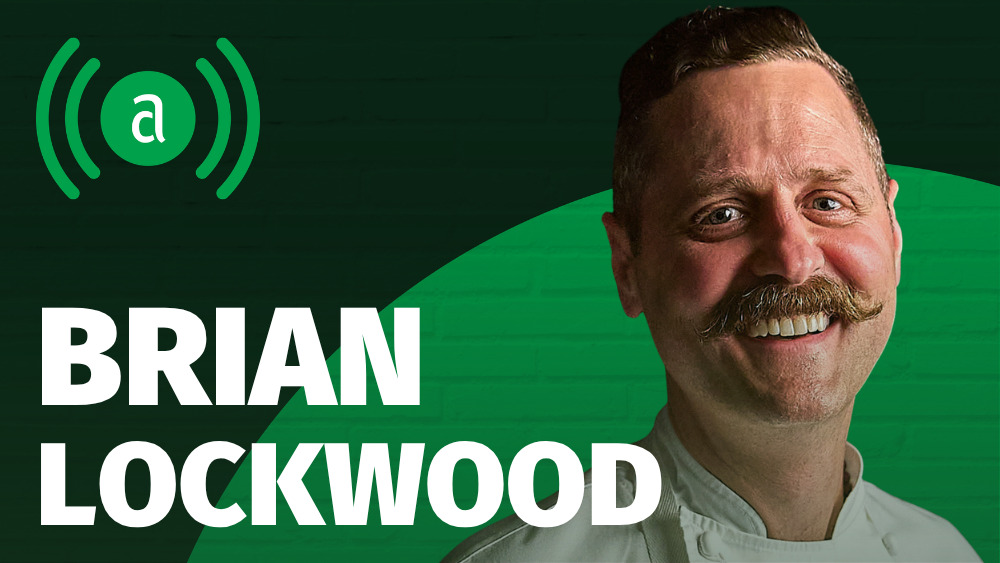
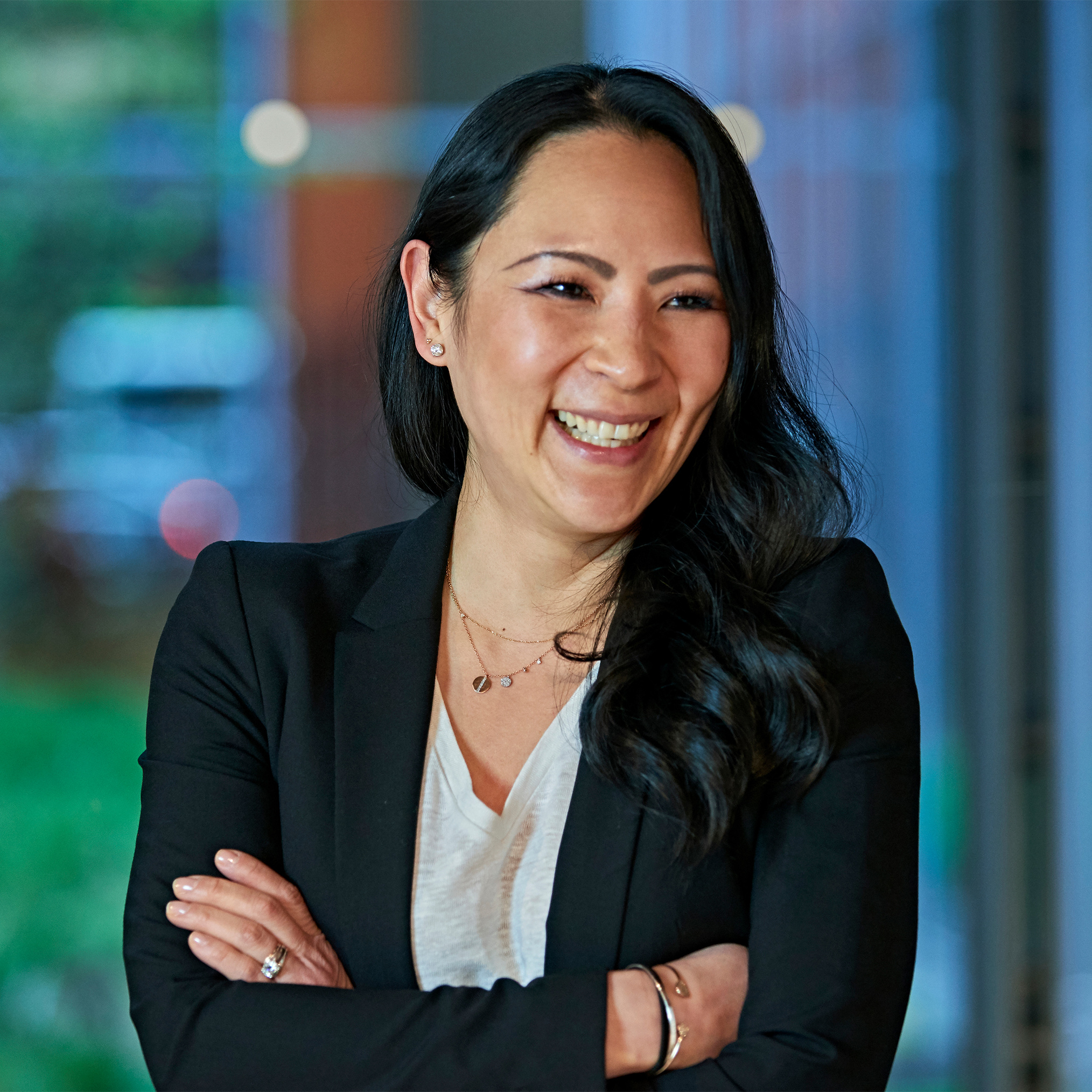

On this episode of Hospitality On The Rise, Brian tells host Alice Cheng how curiosity took him from Gary Danko and The French Laundry to Maui, kitchens across Europe, Eleven Madison Park, and even consulting on FX’s The Bear. He opens up about learning to lead by cooking alongside his team, starting over after a fire closed Gingie just three days after opening, and why staying curious has kept him learning and moving forward through nearly five decades in the industry.
Links
Transcript
HOST: ALICE CHENG
Welcome to Hospitality On The Rise, the podcast about the people shaping the hospitality industry and their journeys. I'm your host, Alice Cheng, Founder and CEO of Culinary Agents, hospitality's go-to hiring platform. And I'm here to give you your dose of virtual mentorship.
Here, we'll be sharing the stories, lessons learned, and advice from hospitality leaders who've carved out their own path to success. After all, this industry is where many get their start and go on to do incredible things.
Whether you're a pro, starting out, or just love the hustle, this podcast highlights what makes hospitality extraordinary, the people.
HOST: ALICE CHENG
I'm so excited to have Chef Brian Lockwood here with us today. Brian is the Chef-Partner at Midōsuji in Chicago, as well as Gingie, both partners with Boka Restaurant Group, we're gonna hear a little bit about them, very exciting projects. And he has been a consulting chef of the Emmy Award-winning series The Bear, season three, along with a long, very exciting career here we're gonna hear about. Brian, thank you so much for joining us today.
GUEST: BRIAN LOCKWOOD
Thanks, Alice, for having me. Happy to be here.
HOST: ALICE CHENG
And we were just catching up before we started recording here and just saying, like, you've been a longtime supporter of Culinary Agents. We appreciate that, so I don't need to give you all that background. But let's roll it back and see how did you get into the hospitality industry?
GUEST: BRIAN LOCKWOOD
So I actually started at a very young age, fourteen years of age. And honestly, I got in trouble, and I needed to pay off a lawyer at the time. It was that big of trouble. So my parents put me in a restaurant. My dad was friends with a local coffee shop owner, like a little cafe, and he got me a job at fourteen just washing dishes. So that was how I started in the industry. And I'm now currently in this interview, 47 years old and still doing it. So yeah, it's been a long time, Alice.
HOST: ALICE CHENG
I love it. I love it. You know, it's always fun to hear how people got into the industry in a variety of different ways. It's one of the largest, if not the largest, kind of first employer of young working population, and not just in the US, I don't think, but for sure here. And then sometimes people get into it for whatever reason and they love it and they stay. And sometimes they do it for a while because it's great and then they go on to other things. So I love hearing that you stayed, obviously. How did you progress from your initial job?
GUEST: BRIAN LOCKWOOD
Well, I mean, like I said, I started first washing dishes and then I started getting curious about it and was able to start cooking breakfast and kind of work my way up through making sandwiches, and then I remember the first time that the chef finally let me be able to actually portion a piece of halibut and how special I thought I was and just that moment. So yeah, it was a very, very long kind of classic career, I guess from, like I said, starting with dishes through cooking breakfast and sandwiches.
And then I did a three year apprenticeship program with the American Culinary Federation. So very classical cooking program where you really spend more of the time hands-on in a kitchen throughout that process and go to school one or two days a week and take the exams that way, which I think a lot of us in the industry are just very tactical learners, you know? So that was that was the right path for me as opposed to sitting in a classroom, and kinda going that route was really being able to actually just do it hands on and learn all the techniques and things that way.
HOST: ALICE CHENG
Yeah, and you were mainly in the Denver-Boulder area throughout this time?
GUEST: BRIAN LOCKWOOD
Yeah, that's where I started. I started in Boulder and in Denver and then in my–really, I think my turning point when I got really serious about cooking was in my early twenties. I moved to San Francisco, packed my trunk with just a couple items of clothes and drove to San Francisco and showed up on Gary Danko's doorstep and bothered him for a week until he gave me a job. And that's how you got it done in those days. It was, like, you had paper resumes, and it was you cold-called people or you went and physically dropped off a resume.
And so whenever people do that to me now, I love it. I love when people are persistent. That's how I got the opportunities to get into the water, the kitchens that I worked at, was by being persistent and keeping that focus really. There's having that drive.
HOST: ALICE CHENG
Yeah, yeah. I mean and what that also portrays, I mean, there's many different ways to get in front of employers these days, and I encourage everyone to try all of them, right? Because if you know what you want, or at least you have an idea, and you try and you really show that you really want it, most of the time, somebody will recognize it and do something about it. You know, it may not be that restaurant, it may not be working for that person, but you know, at least you get your foot in the right direction of some door, right?
GUEST: BRIAN LOCKWOOD
Right. Yeah, and I think too, it's just important to be able to put a face with a name oftentimes, and so again, I think persistence is something I really get excited about when I see in this generation.
HOST: ALICE CHENG
Yeah. So when you were working in San Francisco, I mean the Bay Area is such a different, well, I should say there are differences between the Denver-Boulder area and the Bay Area. And you started Gary Danko's as a line cook as well, right?
GUEST: BRIAN LOCKWOOD
Yeah. Yep.
HOST: ALICE CHENG
So you kind of came in and not at the entry, entry level, but you were already there 'cause you had experience. What were some of the kind of initial differences, if you can remember, of working in that environment?
GUEST: BRIAN LOCKWOOD
Well, I mean, first of all, the restaurants are significantly larger, right? Like, just the population density of San Francisco versus Boulder of a hundred and fifty thousand people. I mean, it's just very different sizes and volumes of restaurants, right? Just due to that simple mathematical population. And then it was the food was just a little bit more structured and a little bit more serious. And with the bigger kitchen came really a classic kind of brigade setup. You know, you had five or six different hot stations, you had a whole pastry department, you had multiple chefs and sous chefs, and then Gary Danko himself, and just that whole, the way they developed food.
I came from very off the cuff kind of cooking, you know? Here's what we have, here's what we're gonna do today, to putting up dishes that change with the seasons and showing them to Gary Danko and kind of getting his critique. And just a lot more collaborative too. I think that's a, obviously the more infrastructure you have in place in a restaurant that size, the more kind of creative people you have, and just typically, I find, just the more collaborative the environment is too. So I think those were the really big differences.
HOST: ALICE CHENG
Yeah, yeah. And it sounds like, I mean, when we talk about these conversations, I always like to hear how the different experiences that somebody has had over the years that kinda shaped the type of leader and the type of restaurant they run today. And it's interesting to hear, you know, you just described going from the off the cuff type of or perhaps more casual or more less structured and smaller to a well-oiled machine, if you will, with lots of specific frameworks and structure and processes probably.
GUEST: BRIAN LOCKWOOD
Oh yeah. Yeah, yeah. And I mean that kind of continued from there. I mean, obviously we'll probably touch on some of the other places I've worked, but yeah, that's a big part of who you are and how you get to go where you wanna go. But yeah.
HOST: ALICE CHENG
Yeah. Yeah. And then I see you have a little stint here in Hawaii.
GUEST: BRIAN LOCKWOOD
I did, yeah. Yeah, so after my time at Gary Danko, I was really curious just to travel. Actually my first destination I really wanted to go to was Australia, which is still somewhere that I haven't been yet and I really wanna go 'cause so much is happening in that part of the world right now, especially in our field. Just culinary is really happening there. But yeah, I ended up going to Maui. You know, I grew up having an uncle on Oahu, so I was fortunate enough as a kid to go a couple of times, and it just always stuck with me. And yeah, I wanted to go and spend a year there.
So I did, and that year I kind of… At that point, I was in my early twenties, mid twenties, twenty-three, and I wanted to, you know, I'd been cooking since fourteen, which isn't–or not cooking, working in restaurants, but I felt like it was a good time to kind of try something else at that point. So I really focused on butchery. So I worked in just a local fish market where we got fresh fish from the fishermen and they brought in. We had this big ice chest in the middle of the room that we'd store all the fish. And then I just geeked out on cutting fish for a year in board shorts and flip flops and just kinda like… There was also some some minor food that we served in that place, like different fish that were marinated or we made the marinades for, and people would throw them on the grill and different soups and pokes and rice bowls.
And so I still touched food, but it was also just an opportunity to just learn a different set of, a new discipline, which I still, if anyone knows me out there that's listening, you guys know I love breaking fish to the day and butchery as a whole. So yeah, that was kind of that chapter. It's small. Maui’s small.
HOST: ALICE CHENG
Yeah. Now the important question is do you know how to surf?
GUEST: BRIAN LOCKWOOD
I actually do not know how to surf. I grew up snowboarding and skateboarding, and it was something that I really wanted to do, but I did not get out and surf.
HOST: ALICE CHENG
Yeah. Well you're still young.
GUEST: BRIAN LOCKWOOD
But it's, I don't know that Maui's a place you go to learn either. I mean, I gotta say, I was pretty intimidated by watching how good everybody was. But I would go sit on my time off and just watch people surf. I am very into sports in general, and just watching surfing is just really incredible and so peaceful…
HOST: ALICE CHENG
I was gonna say, sounds relaxing.
GUEST: BRIAN LOCKWOOD
…and something I think I would have loved doing.
HOST: ALICE CHENG
Yeah. We got two bucket lists. We got surfing and Australia here. I'm making notes for you all.
GUEST: BRIAN LOCKWOOD
Yeah.
HOST: ALICE CHENG
Okay, so after your time in Hawaii, when were you like, okay, it's time to kinda go do something else or get back to… I think California came back, right?
GUEST: BRIAN LOCKWOOD
Yeah. Like I said, it was small, and I think after a year, I remember the first time I drove the whole island in about six and a half, seven hours and I was like, okay, this is small. So yeah, it was time to go back, and I was really curious just about what I would do next, and I still had ambitions and hopes and dreams and things I wanted to do.
So yeah, I got back and I went to a restaurant that no longer is there, but it's where the current Quince restaurant is. But previous to that it was a restaurant called Myth. It was very similar to–honestly the closest comp I can compare it to would be The NoMad in New York at the time. It was short lived. I think it was open for a year and a half. The owner unfortunately passed away during the time that it was open, and then the restaurant closed afterwards. But one of the sous chefs from Gary Danko went and opened his own place and it was a beautiful little, pretty good size hundred and seventy-five-seat restaurant. We served really simple, absolutely delicious food, and it was just kind of the place to be in San Francisco at that time. That's where I met my wife actually. We're still together nineteen years later. So yeah, so that was Myth.
And then from there–I should kind of back up, I guess, before I even went to Hawaii, I'd seen an ad in the paper. Again, this is how old I am. I already said how old I am, so I guess I don't need to worry about dating myself any further.
HOST: ALICE CHENG
This was before Culinary Agents.
GUEST: BRIAN LOCKWOOD
But yeah, I saw an ad in the paper in the classified for a job at The French Laundry. So I actually went up during the time when I was at Gary Danko and and staged when Corey Lee was the chef there and cooked for him, and we kinda left it at the time that it wasn't wasn't something at that moment that I could do just based on where I was living in San Francisco. But after that, I had always, after just spending a day in The French Laundry and reading all of Thomas Keller's, you know, anything I could read on him at that point in time, it was always something that I felt like I had to go and do. So yeah, after Myth, it was Napa. I had to go and fulfill that dream of working at The French Laundry.
So I went up there and got a hold of Corey Lee again, and thankfully I made enough of an impression where he remembered what I cooked, and I didn't have to cook for him again.
HOST: ALICE CHENG
Hey, never burn your bridges.
GUEST: BRIAN LOCKWOOD
And there I went, up to Napa for a couple of years.
HOST: ALICE CHENG
Yeah, and that's so important in general. And we talk about the network, the community of this industry. It's a huge industry, but it's small. And to the earlier point that we were talking about is if you are showing your love, passion, interest, et cetera, and you're really putting your best foot forward and connecting and doing what you should be doing at work, right? But potentially showcasing that little extra mile or interest, people take notice and people move around.
GUEST: BRIAN LOCKWOOD
Yeah, for sure. And I think just honesty is important too, like, it's not it's not for everybody. And maybe, again we might get to this later, but some situations and environments, they're all different. And I think it's just important that you find the ones that work for you as an individual. And it's okay if it's not the environment you're in. I think where people get into a bind sometimes is they're maybe not communicative or forthright about how they feel in an environment, or they try to stay to just go through it, and then that isn't the best thing for really anyone.
So I think, yeah, you bring up a great point that it's important to do right. It is a very small industry, but I think a lot of that's just down to communication and just trying to be a good person and just not leave people high and dry.
HOST: ALICE CHENG
Yeah. And things change. The industry continues to evolve, the work continues to evolve, diners evolve and individuals evolve, right? We've seen people's personal priorities really shift in a variety of different ways over the past decade or specifically the past five, six years. The great thing about the industry is there's something for everyone. It's not for everyone, but there's something for everyone, right? And it's a very mobile community that really just supports each other.
GUEST: BRIAN LOCKWOOD
Absolutely.
HOST: ALICE CHENG
So love to see the jumping around–not jumping around, that's a bad connotation, but you know what I mean. so from French Laundry, you went back to Boulder with our friend Bobby.
GUEST: BRIAN LOCKWOOD
I did. I did. Yeah. From The French Laundry. I went back to Frasca Food and Wine and helped them with their expansion. So Frasca was a very, very small–again, like I don't recall the exact number of seats in the in the very first location, probably in the seventies if I had to put a number on it–but very small, quaint beautiful restaurant, really well done, very focused on a northern Italian region in Italy called Friuli.
So yeah, I went back and helped them during their expansion of a remodel when we basically doubled the footprint of Frasca. At that time, they opened up their pizzeria next door. And then Bobby and Lachlan were kind of starting to plan Tavernetta, at that time was kind of starting to pop. So they were just in a really pivotal point of expansion. And yeah. So I went back after The French Laundry and spent a couple of years there, which was great. I still have family in Boulder. So that was good to go back and just kind of be back and see it with new eyes and just see how people were doing things elsewhere. So yeah.
HOST: ALICE CHENG
Yeah, yeah. What fun, I always love that colorful wall that connects the Frasca and Pizzeria Locale–well, it's not Pizzeria Locale anymore, but you know what I mean, the pizza. But what a great group as well.
GUEST: BRIAN LOCKWOOD
Yeah. Yeah, he's, and again, I mean, you talk about all the different mentors, and I'm sure we'll come to that later, but Bobby, Lachlan, incredible people, incredible professionals. And you know, Bobby's truly special and so's Lachlan. So just great, great group of people as stated and really, really good food and excited to see their continued growth. They did something recently up in, I believe it was Vale, but another one of the mountain towns, I know they just expanded. So yeah, they're doing great.
HOST: ALICE CHENG
Yeah, fun times. And I want to take a minute and just talk about virtual mentorship because this is something that I've pushed for for many years and we believe at Culinary Agents, which is why we have these series of Hospitality Career Paths and then this podcast is that mentorship is so important, but it can be difficult and it means different things to different people, right? But I think what's great is when you hear the names about these people and other folks saying, “Well, so-and-so is so great and they've done so much mentorship,” seek out words, seek out interviews, seek out stuff that these people have put out there in the ether because hearing, reading, listening to even them talk, even if you don't work for them or with them or know them at all, those words are still virtual mentorship-type pieces of information that really have high impact as well.
So if you don't know, for the listeners out there, if you're hearing names, look them up. Look, they have many interviews, many pieces of advice have been quoted. Listen to these, and pick and choose and build your own kind of career path and mentorship series there. Anyway, sorry, that was my little side thing.
GUEST: BRIAN LOCKWOOD
No, no, you're you're absolutely right. I mean you're spot on. There's so much out there.
HOST: ALICE CHENG
Well you hear about, even you, I mean we haven't even gotten to some of the meaty stuff here for you, Brian, but you have such a great reputation, and people talk about how you were a mentor to them and how you ran your kitchen and how you're a leader. And so what someone can hear from other people, their philosophies, how they got to where they are, what they learned, maybe some some lessons, et cetera, those are all great tidbits of virtual mentorship.
GUEST: BRIAN LOCKWOOD
Right. Right.
HOST: ALICE CHENG
So okay. My personal virtual mentorship commercial is over. Okay. Take me to Spain, Germany, and Italy now.
GUEST: BRIAN LOCKWOOD
Yeah, so after my time back in Boulder, I had always, all the chefs that I looked towards in my younger days and I guess were people–everybody had spent some sort of time in Europe. So that was always another one of those bucket list things where I was like, look, if I'm gonna be a real chef one day, I wanna go work in Europe.
So yeah, I was fortunate enough to have a supporting wife who was able to say, “Okay, you can go do this, go work in Europe for a year. I'm gonna hang back, and I'm gonna work and help fund this trip so you can go and explore and learn and fulfill this dream of yours.” So I did just that. I started in Italy. Coming from Frasca, I had had the opportunity to go to Italy a couple of times, specifically the Friuli region and Alto Adige, which is very close by, and even some into Sylvania.
So I started kind of in that area and then ended up down in Bologna. I had a friend, another mentor and good colleague of mine who's a chef in San Francisco, Thomas McNaughton, of Flour + Water. So he had put me in touch with where he trained in Bologna at this little–it's called Il Laboratorio, so just a pasta laboratory, if you will. And they just roll all the pasta with the mattarello and everything's handmade.
So yeah, that was a real highlight for me. I got to spend six weeks there, and nobody speaks English. And I speak enough Spanish after working so long in kitchens and kind of my career is stated how I started. But still I don't speak Italian. So communication was really just so visual, which is so fun about cooking, right, is the doing of it, that tactical piece is just, that's the universal language of cooking. So you don't really always have to be able to speak languages. A lot of it’s just being able to watch and kind of replicate. So that was extraordinary, really impactful experience in my career.
Then I went, and I have one of my best friends who's moved in his late teens, early twenties, I guess, to Germany. So I went to Germany and kind of got to catch up with him in Cologne and spent a couple weeks a month at a restaurant called Schloss Lerbach at the time, which was a two star but complete opposite of rolling pasta with the nonnas in Bologna. This was very precise cooking and lots of different cuts of vegetables and jellies on the plate. And it was really fun to just see a polar opposite side. So that was kind of some time that I got to spend. And I spent a couple other small restaurants in Germany as well, but all similar styles of cooking a lot, like I said, just a little more precise and very classical French kind of rooted cuisine.
And then from there I went to Spain. So Spain was somewhere I was really, really curious about. I actually, talking about just kind of being transparent and things not being the right fit, I mean, I had I had a stage lined up to go to Martín Berasategui and spend whatever it was, six months there. And for those of you who don't know, that's up in San Sebastián. It's a three star. And I showed up, and I spent twenty-four, forty eight hours in that kitchen. And I just, I didn't think I was gonna get what I wanted from the experience. So I packed my bag, said thanks and moved on. And I had nowhere else to go.
And again, you talked about kind of connections in the industry and how small it is. So I reached out to some people that I knew and another one of my colleagues, another great restaurateur back in Colorado. They own Dio Mio in Denver and a couple other restaurants. Just opened a place called Johnny Bechamel's. Great chefs, but he put me in touch with El Celler de Can Roca folks. So I went and got to spend six months at the Celler de Can Roca in Girona, which is an hour outside of Barcelona, totally different area of Spain.
So that was really, really fun to be there and to go, and that was my first dive into pastry. I'd been cooking for a long time at this point, but I really wanted to work with Jordi, Jordi Roca, who's the pastry chef there, one of the three brothers, and very, very creative. So yeah, I got to spend my time there, and that was a really fun experience. So grateful.
HOST: ALICE CHENG
Wow. Wow. Sounds amazing. All right, then you brought all that back to the States.
GUEST: BRIAN LOCKWOOD
Yeah. Yeah. Then I came back, and it was, you know, backtrack again. We go back to this throughline of relationships and kind of people. So Daniel Humm, Will Guidara, I mean, I had admired these guys for so long. I was watching what they were doing with the reconstruction of Eleven Madison Park and that whole thing. And everybody knows the white cookbook, when they came out with that. I know I'm not the only one who just geeked out on that book over and over.
So oddly enough, Frasca was one of the 10 places that they did in their book tour launch of the white Eleven Madison Park, very first cookbook. So they came to Frasca when I was there at that time on my last couple of weeks, really before I went to Europe. And that's how I got to know Will and Daniel. And at that time, Bryce and the guy, Chris Flint, came. And so yeah, it was just great to get to know that team and see how they worked. And that was, in those moments, we had a conversation about potentially moving to New York.
So I did want to go to Europe, which I ended up doing. And then after Europe we came home for about a week, packed our bags and moved to New York City and started work at Eleven Madison Park three days later, which I would advise people to get situated before you start a job.
HOST: ALICE CHENG
Especially here.
GUEST: BRIAN LOCKWOOD
It was a little too quick. In retrospect, I think I would have liked to had had another week or two just to get acquainted and find a place, and New York is a hard city to work in and get to know, and so there's that. But yeah.
HOST: ALICE CHENG
Yeah. And you know, throughout all this, and I see that you've taken, I won't say a step back, but you've taken roles that were of higher level, and then you were you were line cook, then you went to butcher, then you were a sous chef, then you were a chef de partie. You kinda took different roles and for opportunities and experience versus titles, clearly. When you went into management leadership, can you remember what was one of the biggest changes or differences?
GUEST: BRIAN LOCKWOOD
I mean, I think it's the one I still tell everybody else, is it's like, as a cook you're rated on your performance and solely your performance. That is how you are kind of judged, is what you're capable of and how clean and organized your station is, how quickly you set up, how seasoned your food is. Obviously, how you interact with others plays a big part in it. But really I think the big change from that to leadership is you start becoming, I guess, judged or kind of graded or whatever, evaluated on the performance of others as opposed to yourself. And I think that's just a big distinguishing factor that I still make sure that I say that out loud often to myself 'cause it's that's a big piece.
HOST: ALICE CHENG
Yeah. It's a mental shift. Yeah. It's a totally different frame of thinking. No, it's great. I like that. I don't think I've ever had somebody say that out loud to me, actually. But it's so true. And I highlight that because when you started at Eleven Madison and with that team, you came in a leadership position. So that's always also challenging, coming somewhere new in leadership has different challenges than being promoted from within, and then starting and then becoming leadership.
GUEST: BRIAN LOCKWOOD
Yeah, and I mean part of part of the thing, even with Eleven Madison Park, so like, I was hired as a sous chef, but I had to cook. And that wasn't necessarily how that was conveyed to the team. And that was a big part of it. And I think that that's why I had longevity and was able to be successful within the four walls of that restaurant, is that I was able to go in and rub elbows to elbows with everybody and cook and understand how hard it is to cook there. That restaurant, again, you know, you talk about a city in scale. I mean, this is a big restaurant. We were doing a lot of courses, a lot of cooks. And it's New York, it's highly competitive. And it was just, it was definitely a lot harder than I think I personally thought it would be coming in.
So I spent my first three months, four months in that kitchen cooking. So it wasn't like I went directly to management. Again, it was portrayed as a cook too. So I had to kind of go in and earn it.
HOST: ALICE CHENG
Yeah. And earn it you did. And for those of you who haven't had the pleasure of dining there yet, you do get this course in the kitchen and you're standing there. So, Brian, I thought of you when I was watching The Bear, and I'm like,” Why are these people still standing in the kitchen?” Right? The guests that are just there the whole time. But anyway, sorry, spoiler alert for those of you who didn't watch it yet. But I mean that adds like a whole other level, I'm sure, of just stress or just another dimension that you need to consider as you're doing, you’re executing service.
So we're gonna fast forward a little bit. You have your own projects now. Can you think of an early challenge that you had opening your own restaurants now? I mean you've opened restaurants before, but this is different.
GUEST: BRIAN LOCKWOOD
Yeah, I mean, honestly, we opened the restaurant Gingie back in March, and three days later, we had a fire and we had to close it. So that was a major setback. You know, there's no playbook for that. There's no, like, just that whole thing was very, very challenging. So there's one.
HOST: ALICE CHENG
Yeah. That's a good one, unfortunately, but something that I know you and the team have mobilized really quickly, and excited for the reopening of that. And what's next for you?
GUEST: BRIAN LOCKWOOD
I mean, I honestly feel like it's always been the same. I mean, I just, I'm constantly trying to learn as much as I can. I think that's what's so beautiful about our profession, and it's just there's so much to learn. I've said it my whole life since I started cooking, but I feel like I could live three, four, five lifetimes back to back and not know nearly anything about cooking. There's just so many different cultures, and traditions, and the history to it, and the techniques, and ingredients, and seasonality, and it's like everything is different at every moment, you know? So I think that's, for me, I just try to keep curious still to the day.
You know, I love learning from everyone around me. I think that's something that I'm always excited about. I say that to people when I hire them or they're able to join our teams, it's always like, “Look, I can't wait to just see what you've got, how you think about food.” And I think that's something that it's not a matter of time or experience always, it's just food's so personable and it's completely subjective. Everyone has a different opinion on it. And there's really no right or wrong. So I just love learning, still to the day.
And yeah, and then I guess just continuing to grow the next generations, honestly. I mean, I was fortunate enough to have had a lot of different mentors, as we just went through throughout my resume and time and places that I've been. But I look forward to just continuing to grow those next generations and see where that is. I remember years ago being at Gary Danko with some of the cooks that I cooked with back then just being like, “Wow, one day, we hope to be that next generation of people.” And so I know that there's people out there right now that looked to everybody and looked to all of our mentors still that are around there and all of our peers and hope to be there. So I look forward to just that, just continuing to grow others as well.
HOST: ALICE CHENG
I love that. And I don't want to gloss over before quickfire here, but I also do want to mention that you are one of the culinary, culinary–excuse me–advisors of Bocuse d’Or and on the culinary council, which is like the global Olympics of cooking, if you will.
Okay, on that note, we're gonna go to quickfire. What advice would you tell your younger self?
GUEST: BRIAN LOCKWOOD
I mean, honestly, I feel like exactly what I did. I stayed curious, you know? I felt like I planted my feet with the people that I felt resonated the most with me, I guess, in that moment. So I don't know. I think it's just stay patient, be curious. Move when you need to move. I think, like I stated earlier, there's kind of two schools of thought on that. I do think finding a mentor, or two or three or four or whatever you feel like you need throughout your career, it's important to find those people that that believe in you and that you feel like can give you what you need from that experience. But it's also important if it's not the right fit, keep trying. Keep going to different environments. Every kitchen, they're similar, but they're also so, so different.
HOST: ALICE CHENG
What's your advice for someone struggling in the industry?
GUEST: BRIAN LOCKWOOD
I guess there's so many different ways and outlets in this industry. And we talked about it. I feel like I had my little burnout stage in my early twenties, and I started butchering and that really reinvigorated me. But there's also like, now with all the different consumer packed goods, and the different levels of leadership you can have, and more of a, really like an orchestrating level to running smaller kitchens, there's just so many different facets to our industry, from purchasing, there's just so many different ways. So I think just, again, I think just look outside of where you are. If you feel stuck and you're bumping into a wall, just pivot. And there's just so many different ways and environments. So I think that's part of just being curious, is don't get stuck.
HOST: ALICE CHENG
What's your advice for fellow hospitality leaders?
GUEST: BRIAN LOCKWOOD
Yeah, I mean, I feel like it's, look, stay positive, you know? I know it's hard. And I think that's the other thing, is like with social media these days, everybody makes it, it seems like you look at everyone else's worlds and it always seems better. But it's the restaurant industry, it's challenging. We all struggle, all of us. So I think just remember that, keep positive, understand that we're all in it together, and do your best to take care of yourself. Find the things that ground you, if it's people you love, if it's physical activity, if it's surfing, whatever. For me, it's fly fishing and my family. But yeah, find those things and keep positive.
HOST: ALICE CHENG
I love it. On that note, Brian, thank you so much for spending time with us. It's so nice to see you. Congratulations on all of the things, and I can't wait to see what's next.
GUEST: BRIAN LOCKWOOD
Thank you so much for having me, Alice. Appreciate it.
HOST: ALICE CHENG
Remember, success looks different for everyone in hospitality. No two paths are the same. If you have a leader or a topic you want to hear about, email [email protected].
Hospitality On The Rise is brought to you by Culinary Agents, connecting top talent with employers since 2012. Whether you’re hiring or looking for your next opportunity, join us at CulinaryAgents.com
For more inspiration, subscribe to Hospitality On The Rise and visit HospitalityCareerPaths.com, a free platform by Culinary Agents.
Thanks for tuning in! Remember to like, follow, and subscribe. And if you loved this episode, share it with someone who could use a little inspiration.


