
Links
- Grand Cru Selections (Instagram)
- Grand Cru Selections (Website)
- Empire Estate Wine (Website)
Transcript
HOST: ALICE CHENG
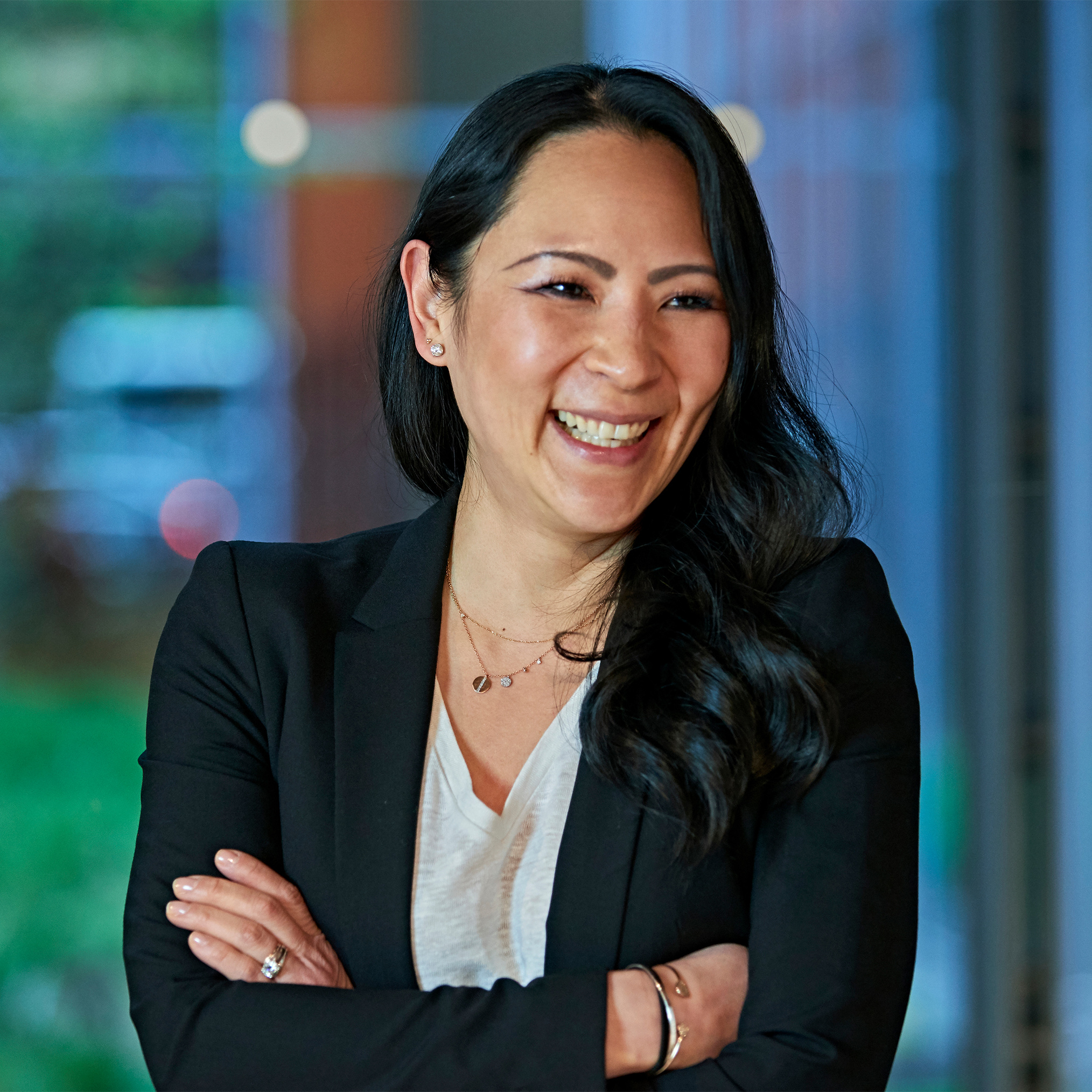
Welcome to Hospitality On The Rise, the podcast about the people shaping the hospitality industry and their journeys. I'm your host, Alice Cheng, Founder and CEO of Culinary Agents, hospitality's go-to hiring platform. And I'm here to give you your dose of virtual mentorship.
Here, we'll be sharing the stories, lessons learned, and advice from hospitality leaders who've carved out their own path to success. After all, this industry is where many get their start and go on to do incredible things.
Whether you're a pro, starting out, or just love the hustle, this podcast highlights what makes hospitality extraordinary, the people.
HOST: ALICE CHENG
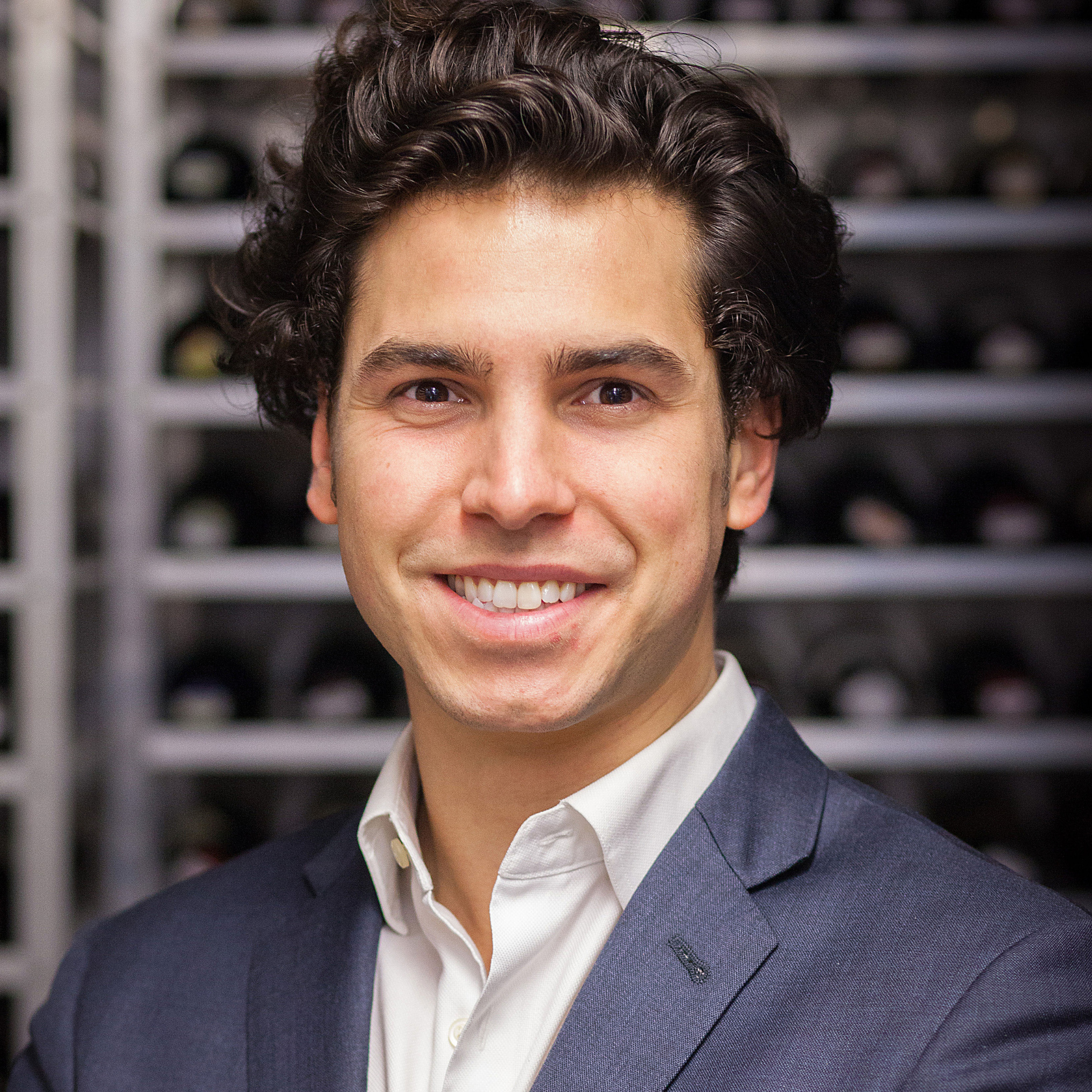
I'm so excited to have Thomas Pastuszak with us today. Thomas is the VP of Sales and Hospitality at Grand Cru Selections, which is a New York City-based wine importer and also the Founder of Empire Estate Winery. Thomas, so nice to see you. Thank you for joining us today.
GUEST: THOMAS PASTUSZAK
Great to see you, great to be here.
HOST: ALICE CHENG
Yeah, luckily I would say it must have been a sign when I bumped into you at a friends and family opening recently, and I was like, we need to hear what's been going on! But let's take it back a little bit. How did you get into hospitality?
GUEST: THOMAS PASTUSZAK
I think going as far back as I can…
HOST: ALICE CHENG
When was the last time somebody asked you that question?
GUEST: THOMAS PASTUSZAK
Fair. I think that the origins, the genesis would be, I was a young teenager, call it 12 or 13. My godfather was running a bed and breakfast out on the east end of Long Island on a small island called Shelter Island. Now it's kind of blown up. It used to be much more farms and very rustic.
But at the time, he had a bed and breakfast there that was right on the beach. And during the summers–’cause I grew up in Queens in New York City–I would go out there. My family had a small cabin out there, and I would basically kind of just work as a family job. So my earliest jobs were getting up early in the morning, making toast, making muffins, carving cantaloupe, cottage cheese for breakfast service. And then I would go, instead of working lunch service, I would go work as a lifeguard because they had a beach there. And then I would go play piano at night at various restaurants in town just to make cash in the summer.
It's like, you're a kid and very different labor laws back then, obviously. But no, it was a family business. And so I just did that because it was fun and had access to it. And then it was a great way to make cash during your summer vacations.
And as I kind of grew up, as I became a teenager after that, took it a little bit more seriously, but it was still then getting to college, serving, bartending, and finding a real passion for it because it was also a nice release from being deep in the books and studying science and playing piano, which were things that I was doing really seriously.
And eventually when I was finishing college, graduated, was applying for medical school, I had an opportunity to take time off to build my resume to show that I had management experience and show that you could have bedside manner. And really, hospitality, if you think about it, when you're working in a restaurant setting or really hospitality anywhere, you're only as good as you make your guests feel, as you make your customer feel. It felt very logical to continue with the hospitality side and do a semi-pro thing for a year or two in hopes that that would build the resume. So medical schools would be like, okay, grades, scores, and management, people management, hospitality, bedside manner experience, that all that would kind of weave together.
But during that period, during that, call it two years after college, I was like, “Wow, I really love this job.” And it was also a unique time. And I think it's important to highlight the fact that this is 2006 to 2009. That was a time when the hospitality industry really felt like it was actually starting to be created. You had people like Danny Meyer and Drew Nieporent, who are really spearheading this notion of hospitality and making it an industry and a culture, not just a job.
And you had great sommeliers and wine books coming out. My now dear friend and somebody who, with whom I work at Grand Cru selections, Robert Boer, he was running great wine programs, and all of a sudden it became a more visible thing. My now friend Richard Betts, who's a Master Sommelier, he was running a great wine program and starting a wine project.
And so all of these things kind of happening at that same time was a great motivation for me to be like, I really want to pursue this. And admittedly at the time–if anyone out there has thoughts about going to medical school or is in that process–when you take your MCATs, which is like the SATs for medical school, the scores, when you get them, they're good for 10 years. So it's like, gives you a buffer where you're like, hey, if you want to make the decision, you have a little bit of time.
And so I kind of went full on into hospitality, like at that point, that was kind of the turning point for me, where I was like, “You know what? I'm going to do it. And if it totally fails and if I fall on my face and the restaurant situation and wine makes no sense and doesn't work for me, then I will pursue the original thing,” which was science. But, you know, obviously never looked back after that. So, yeah.
HOST: ALICE CHENG
Yeah. Oh, wow. I love that. I didn't want to interrupt you, but I'm going to extract some nuggets there.
GUEST: THOMAS PASTUSZAK
Yeah, please.
HOST: ALICE CHENG
First, I think one of the things that we talk about often is that this industry is one of those amazing industries that is extremely flexible and allows you to experiment. And it's the number one–I think it's still the number one job that young folks have as their first job. And from there, it could be just something fun that you're doing in passing to make some extra side cash, and it could really turn into a career. And that has really also evolved over the years, largely to part of leaders, such as the ones that you mentioned, as well as yourself, who have kind of paved a different way to approach the industry. And I love that you had this strategy from the beginning of how to put the pieces together to be the ultimate doctor that has the hospitality–I mean, side note, I feel like hospitals should probably try to infuse some of the hospitality learnings into their bedside manner, but that's for another podcast episode.
GUEST: THOMAS PASTUSZAK
Agree. Agree.
HOST: ALICE CHENG
But I love that. That strategy is great. And this is a great example of have a plan for the plan, but be open to that plan changing. And I think that's something that more and more we see with folks who are entering the industry who are like, “I'm not quite sure. I always thought I would do this, or I always thought I would open my own restaurants.” And then they somehow end up going the beverage route or going a completely different direction. And it's okay. I mean, that's one of the beautiful things about this industry and figuring it out and meeting amazing people and getting inspired by them along the way. So thank you for sharing that little tidbit of journey there.
GUEST: THOMAS PASTUSZAK
Totally.
HOST: ALICE CHENG
So digging deeper into it, so you went to school and then started working in hospitality professionally after, basically, right? Because I see Colicchio & Sons here.
GUEST: THOMAS PASTUSZAK
Yes. Yes, so I mean, I guess to the irony of the situation...
HOST: ALICE CHENG
How did you get into wine?
GUEST: THOMAS PASTUSZAK
- So I went to a school in Ithaca, New York called Cornell University. It is very well known for a number of things, particularly for its hospitality program. I had nothing to do with the hospitality program. I was in the sciences and was playing music. But on my weekends, I was working in the local restaurants, bistros, bars. And so it's kind of comical that so many years later, and then I would graduate from the science program, but then I went full in on hospitality and would become great friends with a lot of people who went through that program. But to your point, the plan was a plan until it wasn't a plan, and I think it is, to your point, it's important to be open to things changing and taking the meeting or reassessing or just figuring all of that out.
But it was truly the weekends, nights and weekends, of working in restaurants as a college kid that was the sort of the seed for it all. And then when I graduated, having that time to work in Ithaca and run restaurants, and in a small town like that–small, relative–if you're the general manager of a restaurant, you're doing the hiring, you're doing the training, you're working with a chef, you're doing beer, wine, cocktails, you're doing all of it. So it was a great first initial introduction.
And I would say education is super important. You know, if you can take courses for wine for spirits, it's obviously very, very helpful. I love to read. I love to study through a book. That's great too. But the best experience is the practical experience. It's really getting onto the floor of a restaurant and actually getting your sea legs. It's actually tasting dozens of wines at a time or working on different specs of cocktails. And that really helps you to figure things out in a way that's practical. Like you can read a book about how to row a boat, but until you sit down and row the boat, like you have no idea.
So anyway, all that to say, practical experience is super important. And so it was really when I was running these small restaurants in upstate New York that I was doing wine, but all of those things. But I think I really found a passion for wine in particular because it comprises of a lot of things, obviously humans, mother nature, there's art and there's science that's to it. And I guess maybe because my brain's a little bit wired to both focus on the technicals and the numbers of science, but also because I grew up as a classical musician, as a pianist, I also had that side. And so I really love that with wine in particular, you can kind of turn on or utilize both sides. And I worked at a number of wineries too in the Finger Lakes, just on weekends and during harvests. And so I really loved the winemaking and viticultural process.
So really to fast forward it, going from Ithaca to New York was because I think I felt so passionately about wine. And when all of sudden there were hospitality opportunities coming up, like Tom Colicchio, chef was looking for somebody to run that wine program. And my friend Robert, who was helping him to consult on his programs then, we met through wine tastings and through mutual connections. And I think initially I was probably thinking I would want to do something in hospitality, stay in the Finger Lakes and maybe create a few restaurants and do something with that. But the opportunities in New York kind of were focused on wine at the time. And so I was like, “Oh, I've been doing this. Why not put more of a focus on that?” The rest of the hospitality comes with it too. But I was okay not to run a restaurant. I was okay to focus on a wine program. And it was exciting. And very quickly the sommeliers in New York City, or sommeliers in the U.S., still kind of up and coming at that time. There weren't that many. So it was a really great opportunity to get it.
So it was an opportunity at the right time, and it was something I was passionate about, and I sort of took the experience that I had and utilized those pieces that made the most sense for that opportunity and dug into the wine piece.
HOST: ALICE CHENG
Yeah, I love that. I mean, sometimes it's a little bit of timing, a little bit of networking, and it's a little bit of showing these people that you meet what you're interested in and what you want to do. Because it's in the same ballpark as asking for help. It's not really, right? Because I feel like, especially these days with how the profession has progressed, when somebody is eager and puts forth the effort and time to really understand and to learn, that gets acknowledged by people and leaders really love to latch onto that and nurture it. So for those of you who are kind of progressing in your careers or trying to maybe dabble into wine and you're not in it yet, you don't know how to get in that, express interest, talk to people, talk to people who are in the profession already, ask them what's the best route to get started and people will get drawn to that.
GUEST: THOMAS PASTUSZAK
Yeah, no, I agree completely. And what I would add to it is, yes, expressing interest and passion, even if your experience level is not at the top, or even if you're just getting into it, a lot of people who–you know, I've hired hundreds of people for various restaurants and various jobs at this point. Not exaggerating, hundreds of people. And a lot of times the best people are often the ones who have maybe less experience but have a pure passion, enthusiasm, intelligence for the thing that they want to do. And to your point, people recognize it.
And that's why I always encourage people to not be shy, reach out to people in your professional industry, try to sit down and grab coffee with somebody whom you admire. There's nothing wrong with trying, even if it doesn't work if a person is too busy. But if somebody is willing to make the time to sit with you, to chat, to taste wine, to talk about the hospitality industry, then they obviously see something in you because our industry is relatively small, tight knit, and still a young, burgeoning industry in the big scheme of things. And we want good people in it. You want to surround yourself with people who you can take care of and will take care of you.
We're around food and wine mostly, which are pleasures in life, not… It's not a cubicle. It's not necessarily going to be a job in an office. And so we want that to feel good. So again, I just encourage everyone who's considering it, reach out to the sommelier, the chef, the wine director, and if you don't get a response or if they can't meet with you, that's fine. But it doesn't hurt to try and often leads to a lot of good conversations.
HOST: ALICE CHENG
Yeah, yeah, absolutely. And I kind of mentioned that attitude and that kind of infectious quality to segue into your next kind of long stint here, because that's when I met you, when you started at or when you were at The NoMad in New York City. And one of the things–I don't know if it was like a running joke or just heard in passing, and to this day, you still do, you have this really great head of hair, and I feel like everyone was always highlighting that as part of the, I don't know, just the banter, if you will.
But you have always, and you continue to have this infectious quality of, like, welcoming and just being very pleasant. That, I see, hasn't left you. But when I initially started working with you when you were at The NoMad, you were already the executive wine director, and you were–I know that age doesn't matter, but you were fairly young in that role, correct me if I'm wrong.
GUEST: THOMAS PASTUSZAK
Yeah, correct. Yeah, I think I moved to New York from Ithaca, I moved back to New York City and I was 25, 26 or 27. And then pretty much right away is when I worked with Chef Colicchio with Colicchio and Sons, and that was for a year. And then this great opportunity kind of came up, again, through word of mouth. The NoMad Hotel was opening up, then not a known quantity. But the hospitality team behind it, who was getting it up and running, was the team from Eleven Madison Park.
So at the time, Chef Daniel Humm, Will Guidara as the hospitality pro on the front of house side of things. A friend said, “Hey, there's this thing happening. I put your name in the hat as a person who might be able to run this wine program.” And it was super ambitious. It's a several hundred room hotel that wanted to do Michelin Star-quality dining experience, but also have a bar and have a library and have private events. But also at the time, it was a bit of a new concept because the approach was take the sort of luxury and greatness of high quality of uptown and merge it with the ease and comfort and accessibility of downtown. Which at the time, there were downtown restaurants that were fun, easygoing, but not refined. And there were uptown restaurants that were really precise and refined and fabulous, but also kind of stuffy.
And so the idea of NoMad just spoke to me because I was like, I want to do the high end thing, but also I'm pretty easygoing. You know, detail oriented, but I want people to feel at ease because, especially in the wine world–not just talking professionally–but wine in restaurants or wine in stores, it's still kind of hard and not always accessible for people. So the idea was young people getting excited about wine and getting other people excited about it to ask questions and to feel at ease is a really important thing. Because, it may be less so today, but at that time, the people who really held the keys to the best wine cellars or wine experiences, it was much more boxed up or buttoned up, and it didn't feel at ease.
So I think I naturally felt this desire because I was still learning, and you never stop learning. Whether through the experiences in the restaurant and in your job or when you're tasting wine and visiting wine regions, you just have to always have humility and be humble no matter how much you know. And just know that most people around the topic might not feel as comfortable as you about it. And so it just makes sense to defer to the ease of making the person in the room who's the least knowledgeable or the least experienced, making them feel comfortable because we're trying to build a community, right? You're not trying to show somebody else like, “I know all this and you don't.” That's not the point. That's not why we are in this industry. We're here to cultivate the culture and the hospitality. And ultimately, especially in the restaurant setting, you want people to have a great time. They're there, they're your captive audience, they want to eat, drink, be with somebody that they love or a work associate or whatever, but they want to have a great time. And so you have to make them feel the love and feel at ease.
So for me, that felt super important. And I think being as young as the entire team was for NoMad, there was a certain need to focus on making it comfortable and making it feel at ease. And so we did NoMad New York, and that was great for a number of years. And then slowly but surely, we expanded to Los Angeles and Las Vegas. And so then that's where the “executive” wine director kind of piece came because there was multiple properties, and it was great to be able to groom a team and groom sommeliers through our New York property and kind of then let them situate themselves in these different properties and grow their own teams, which felt great. Yeah.
HOST: ALICE CHENG
Yeah, yeah. And for those of you who didn't have the pleasure of enjoying–I feel like The NoMad in New York City–and I also visited the L.A. location–it encapsulated a moment in time. It definitely was a movement, I would say, in and of itself. And it was really wonderful. So you and the team did really an amazing job there.
But I'm going to roll back for a minute and ask you two questions. One is when you were taking on this very difficult job and a lot of pressure, if you will, because of all the things you said about what this was going to define for this space. That area at the time wasn't a burgeoning, hip, happening area. And so the location was something that you all had to work with and also kind of introducing a new concept to Manhattan into that area. Can you think back, remember one challenge that you had when you were opening and starting to build the program and the team there?
GUEST: THOMAS PASTUSZAK
Yeah, I think the biggest challenge was it was a tremendous amount of pressure because, A, the concept itself was huge to do. Also it was at a time when great restaurants in hotels was not a thing. Like, the association of a hotel restaurant, unless you're in a great European city, the notion of an American hotel with a restaurant in it was like, it's just there to make food for the people who are staying there, and there's no ambition.
So I think that ambition was the thing that we felt collectively as a team, and I certainly felt independently, as the biggest stressor, as the biggest thing. We want to get it right. Especially in restaurants and in New York City, it is such a critical environment, and you want to make sure you do the best that you can right away. Because a lot of times, if you can't get it right kind of within the first couple months, a lot of restaurants, they don't last, they don't survive. And so I think we all felt that pressure.
And so for me, was like getting it right. And to me, what that meant was building a team that all brought their individual characteristics and their individual personalities, because we didn't want to be automated. But at the same time, a shared vision and a shared expression of that vision. And for me, writing the wine list–and and by the way, it all came so, so quickly. It was like a two-month period because my position was filled kind of late in the game. It was a very quick period to build a wine cellar, all the racks, bring in a few thousand bottles of wine with the inventory, getting the logistics up and running, training the team, and writing the program in a way that was going to hit that mark. So again, today's wine lists are smaller than maybe they were then in general, but you had your great big wine programs that were like 1500 or 2000 selections or more. And you had your more everyday restaurants that had like 50 or a hundred bottles on the list.
And so we wanted to open with several hundred bottles and grow it to that sort of higher point. But we knew that we weren't going to be a just pure tasting menu experience with pairings. We wanna have a wine list. And I wanted to make sure that–if you can remember the atrium, Alice, that space, you had all this great light coming in, and you were in two tops or four tops that were kind of adjacent to each other. And I always thought, “I want this, table 202, this two top, a young couple in their twenties who are excited to come here, have a fabulous and kind of expensive roast chicken with foie gras, to have a great bottle of wine.” For them, that great bottle of wine is maybe $50 or $75, right? But in the same evening, next to them is a friend who is a wine collector who loves to spend $1,000 on a bottle of burgundy.
And so it was a responsibility to make it so that the list was written in a way or the wine program was structured in a way where you could come in and feel really comfortable having an $8 glass of sherry or a $12 glass of dry riesling. But at the same time, if you wanted to really do it up, and you know, we were still a fancy restaurant, people could come in and spend a lot of money on a great bottle of wine. It's not about them spending the money. It's about them enjoying a fabulous bottle of wine. And so I wanted to make sure that–that same reference I made before, the uptown and downtown sort of reference–that we could do that side by side with those tables.
And it was great because within the first couple of weeks, we really had those young, excited people who were like, “Oh, a new restaurant. NoMad, it's so exciting. This is cool.” And they're on a budget, and they could drink extremely well under $100 a bottle, you know? And then we also had a great collection of fine and rare Burgundy, Champagne, Rhône, Bordeaux. And so people could really throw down on a great bottle of wine. So the pressure was to get that at least feel like most of it right when we opened.
HOST: ALICE CHENG
That’s great. Yeah, that's hospitality, right? Serving everyone, being flexible. And my second question is, when you started expanding to multiple locations, what was, I would say, a different challenge that you had kind of going up, right, getting promoted and moving up to a different role?
GUEST: THOMAS PASTUSZAK
I would say at every level, it's the people. It's the people and the making sure that the wheels don't fall off the vehicle. You want to make sure that nothing goes wrong. And so there's a lot of tension there. You need to make sure that the existing property still feels the love, which means time, presence, attention, the people who are still there. And then also the new properties, the expansion, you want to make sure that you also, that the team and the company, whatever you want to call it, puts best foot forward on the new thing, too.
So how do you balance being the best at the new place and being the best still at the existing place? And so I think it's really with the people and finding the balance of who to move where, who to groom and who to give the opportunity to at both locations or various locations to make sure that that balance was right. And it wasn't perfect. It was really, the challenges were making sure that everyone on all sides felt the love. There was a lot of friction. There was a lot of tension about “why does this property get this level of attention” or “how come this person was moved here”. And so I think what I would say there is, the more conversations and the more human interaction that you can have about those things, the better. Because texts and emails, they can screw a lot of things up. People misinterpret, people don't get that personal connection. And so I still to this day, whenever there's a moment of tension or something that needs to be resolved, I always believe in doing it face to face or at least this way. But face to face is best because there's hopefully no misinterpretation that way. So people, communication, I would say that sort of that growth was the challenge.
HOST: ALICE CHENG
Yeah, I mean, those are like life lessons too that can kind of be applied everywhere. There's just so many emojis that you can use to convey your message, right? And you spent quite some time there, and it was, I would say, something that was heavily affected by COVID, much like a lot of other things.
But we are going to fast forward a little bit because I want to talk a little bit about the exciting things that you've got going on right now. How did you start a winery? Like, how does that even happen? Somebody says they want to start a winery, how do they do that?
GUEST: THOMAS PASTUSZAK
Well, I would say my experience and me doing it is very different from how one would start a traditional winery. So if you wanted to start a winery today, what region do you want to start it in? It requires usually buying land, planting vineyards, or buying vineyards from, like buying a house or buying a piece of property, and building a facility in which to make wine. So you need to build your wine cellar, have your tanks, have your barrels, have all of your equipment. Traditionally, a winery in a region, whether it's Napa Valley or the Finger Lakes in upstate New York, you have the wine cellar, but you also have a tasting room. You have a place to receive your guests, a place to have people taste your wine with you. And it's a huge cash outlay and requires a ton of money and planning and logistics.
And so Empire Estate, the winery business that we continue to have and to run, was kind of born out of this passion for not necessarily just sharing the passion for Finger Lakes wine in the Finger Lakes. It was started by me and a few friends who were all hospitality people on the restaurant side and wanted to bring great wines from New York, great wines from the Finger Lakes, especially with a name like Empire Estate–we chose the name of the winery because it screams New York–we wanted to bring those wines to parts of the state or parts of the country or even overseas, Europe, to places that didn't have experience with these wines.
So the passion was built out of restaurant people getting people excited in restaurants and hospitality about the wines of this region. So when we started–first vintage was 2014–rather than trying to figure out buying the land and building the winery and all those things, kind of went about it in what you would say is like an asset lightweight. You're not buying assets, you're not buying the land and the buildings, you're actually sharing space. And so we found a few farmers, and this is in part because I lived in the Finger Lakes for 10 plus years. I worked a lot of harvests at a lot of great wineries in the region. I got to know a lot of the farmers.
So the first piece was like, okay, we want to make some wine. We're going to focus on riesling that's really dry, and from my stylistic perspective, speaks more to central Europe, like Austria or dry German riesling. And that was the first focus. So how do we figure out the vineyards? Well, we didn't want to buy vineyards. So luckily we found a few farmers who farm extremely well, very conscientiously, sustainably, and we were able to rent or contract little parcels, little lots of vineyard land with them just for our wine. And so that's kind of paying by an acre or you pay by how many tons of grapes come off of that farm.
We were lucky enough to also be able to share space with our friends' winery. And Kelby Russell–who is a dear friend and still makes the wines for Empire Estate–he at the time was making wine for Red Newt Cellars, where we were sharing space in their cellar, brought in our own tanks and barrels, but we were able to share the space so we didn't have to build a building. And Kelby, he now has his own winery business called Apollo's Praise. And so he was really the one who helped to figure out the piece where we could have the vineyard piece and also share the winery space. So we make the wines in exactly the same way as a traditional winery would, except that we haven't bought the vineyards or the land. We finished the wines in the wine cellar.
And then for us, we didn't want to start out with a tasting room there. We wanted to take our wines to Chicago and Washington, DC and Miami and Los Angeles. And so all the wines after finishing up and getting bottled, we then pretty much moved them to a wine warehouse, and then we get them out to all of these different markets. That's a quick way of explaining what we did, which is one way of doing it, but still traditionally people will buy the vineyards, buy the land, build a building, and start a winery in an area. But we just didn't want to do it that way because we were not winery people first, we were hospitality people first.
HOST: ALICE CHENG
Yeah, and thank you for sharing both because I think that's really relevant in many different ways. We talk about there's different ways to do things, right? And you want to solve a problem or you want to do something, figure out the different options that you have within your means, within your network, etc. And what's the best? What's your way of doing it? Right? And I think that just proves there's not just one way and there's not a right way. There's understanding how to do it and figuring out how you want to do it, right?
GUEST: THOMAS PASTUSZAK
Yes.
HOST: ALICE CHENG
And again, that can also be applied to a lot of different things. People open restaurants all sorts of ways. People start businesses all sorts of ways. So kudos to you and team. And I would argue–and you're being modest, I think. I would argue that your wine is kind of everywhere because, I don't know why I never realized this, but I put two and two together after I bumped into you a couple of weeks ago. And I was like, I've been drinking your wine pretty frequently. It's delicious. It's at a great price point. I want to support local. I mean, yeah, I felt so silly. I’m like, I didn't even know it was yours. But yeah, great. Thank you. And now I can associate the label with you. So now I can be annoying, and every time I’m drinking it, I’ll send you a text message with a picture of it.
GUEST: THOMAS PASTUSZAK
Yes, we love that. It feels great
HOST: ALICE CHENG
It does. Well, what's next for you?
GUEST: THOMAS PASTUSZAK
So right now I'm also Vice President of Sales and Hospitality at Grand Cru selections. So that's a fabulous company that was started about 15 years ago by two very close friends or a few very close friends with the focus of bringing in, importing, and distributing some of the best examples of wine from old school regions, traditional regions in France and Italy and Europe for the most part. And it's an amazing portfolio that has this fabulous wines from Burgundy, from Champagne, from the Rhône Valley. And I, when I was working in restaurants, these were some of the top wines that I loved to be able to purchase for the restaurants and to present to guests, to tell the story of the winery, to tell the story of the place.
So actually coming out of COVID when The NoMad restaurants and hotels, when the U.S. properties were shutting down, coming out of it also with a growing family–I now have three kids with my wife, Jessica. So our son Walter is about to be 10, Bertie is just 3 or 3 ½ now, and Winnie in the middle is just about to be 8. It was also an inflection point where working in restaurants and being on the floor of the restaurant for so many hours of the day, for so many days of the week, it is definitely a big, intense commitment. So it was really coming out of the pandemic that The NoMad that we had helped to build for almost a decade, seeing it kind of shut down and the teams kind of going in different directions, opening new restaurants, it was a moment where I was like, do I want to stay in restaurants? And I think it was either, you know, it was tough to say what kind of restaurant I would want to be in because with NoMad, we had so many properties and we were growing teams. And I was like, I basically think if I was in a restaurant, I'd want my own small spot somewhere in my neighborhood, or I would want to work for another big, grand program.
But the way the stars aligned our good friends, Robert and Elise, who were the owners and founders of Grand Cru selections, they were going through some changes. I was doing a little bit of consulting work at the time for a few hospitality projects, and I was working, using their office space, and they were going through some changes of management. And so we had all known each other for 10 years plus, and they're like, “Oh, would you ever consider working together with Grand Cru Selections?”
So kind of very quickly that summer, this is 2021, so about five years ago now, I came on to help run the sales team for New York, for New Jersey, for the importation and distribution, and also then kind of work a little bit with the teams in California and on the national side of the business. But really with the focus being making sure that we continue to tell the great stories of these great wineries to the best restaurants and to the best stores around New York City with a small, focused dedicated sales team in New York. And mostly ex-restaurant people too, which is a great way to have a team of people in wine sales or wine education who can really tell the story that really can be felt well by both a sommelier or a manager or a person who buys the wines for the restaurant, but also kind of communicates and helps to communicate to the guest the way that the winery would want to tell the story.
With our approach, even though we are a sales company, the approach and the dialogue and the communication, we don't want it to feel like you are being sold something because obviously that is part of the intention, but we are storytellers and curators. If you think about it also this way, and it applies whether you have your own winery or you're just a server in a restaurant, a lot of the great wineries and great families in wine, they might be very new, or they might have hundreds of years of experience or being in that industry.
The viticultural industry, right? Planting vines, waiting a few years for them to be mature enough to produce really quality grapes to make the wine. Having some seasons that are good and some seasons that are really hard. The amount of farming, hard work, manual labor that goes into it and growing great grapes and doing that sustainably to making the wine and then aging the wine and finishing it in a way where the wine is delicious and gets packaged up and then gets shipped halfway across the world only to get to its final destination through an importer, through somebody who sells the wines, through somebody who then gets it to the restaurant. And then that restaurant person needs to get the guests excited about it.
You think about how much time and effort and how many hands and people that touches. It's so crucial in the restaurant industry and in our import distribution business to honor and tell the story of all that hard work. Because if you, in the end, serve the wine at a bad temperature, or if you serve it in a glass that is dirty, or if you don't know the story or can't speak about where it came from, then it's a bit of a shame to, it's a tremendous shame to the region and to the family and to the business that's been doing the work of the wines. So getting off the soapbox here for a moment, but that for us is super important because even though the import and sales piece is business, there is this human connection and this really important storytelling, curational piece that you can't forget about as well. So very passionate about that. And we have a great team at Grand Cru Selections who carries that torch all the time.
HOST: ALICE CHENG
Yeah, I love that. I mean, it is part of the experience, right? It's like it's part of the whole experience. And now more than ever, people go out and they're seeking the experience, right? Whether it's within their dining restaurant or they're going to an event, et cetera. So kudos to you and the team for carrying that torch and the pressure of translation.
GUEST: THOMAS PASTUSZAK
Yes, yeah, exactly.
HOST: ALICE CHENG
On that note, we're going to go to quickfire.
GUEST: THOMAS PASTUSZAK
Okay.
HOST: ALICE CHENG
What advice would you tell your younger self?
GUEST: THOMAS PASTUSZAK
Continue to make the decisions that feel good to you even when they're challenging and are in the best interest of the people around you, who you work with, your family, because ultimately the best laid path, the best laid direction comes from decisions that you can feel great about now in five years and many years down the road. And you never want to burn any bridges, and therefore just maintaining your relationships and making the best decisions for those around you as well as yourself is probably one of the most important things that you can think about in this industry.
HOST: ALICE CHENG
What's your advice for someone struggling in the industry?
GUEST: THOMAS PASTUSZAK
Connect with people, talk to people who are at the top of their game, are just beginning, are somewhere in the middle. Have conversations, be vulnerable, ask questions, ask for advice. I think that a lot of people who are struggling often feel that asking for help is a weakness, but it is a great strength. It is a great sign of strength. And so I think that asking for help, asking questions and seeking guidance from people at various levels of their game is so important because you're not alone. Everyone has gone through that period of struggle at some point. I don't know anyone who hasn't had a really rough patch, rough job, bad boss, tough decision-making period. I don't know a single person who hasn't had that.
So have a coffee, go have a cocktail or a beer with somebody. Interact with other humans because I guarantee you, the more you can engage with people, the more perspective and data points you get for our universe. And it will ultimately help you make a decision or figure out what the right path is.
HOST: ALICE CHENG
What's your advice for fellow hospitality leaders?
GUEST: THOMAS PASTUSZAK
Keep investing in the young, eager people who have less experience or no experience. And don't forget how important the human connection and education and experiences are. It's one of those moments where, whether you're wine tasting or tasting dishes for a new menu at a restaurant, it's those moments that really get teams fired up. And the people who have little experience but have tremendous passion, they can learn all of it. If they don't have the experience, they can learn all of it. And so even in a moment, in a pinch where you need people at a certain level of experience or professionalism, don't forget about taking the time to invest in at least having a conversation with young, eager people who don't have the experience and investing in them if you can in your programs. And you can have an 80% super seasoned, super experienced team, but still bring in that blend of people who have less experience because it is a tremendous opportunity for them, the rest of your team will grow by educating them and by mentoring them, and it's a great experience for everyone to continue to invest in sort of the younger, less experienced folks.
HOST: ALICE CHENG
Great. On that note, thank you so much, Thomas, for joining us. It's so nice to see you, and I can't wait to see what's next.
GUEST: THOMAS PASTUSZAK
Great to see you. Awesome. Thanks, Alice. Pleasure to be here.
HOST: ALICE CHENG
Remember, success looks different for everyone in hospitality. No two paths are the same. If you have a leader or a topic you want to hear about, email [email protected].
Hospitality On The Rise is brought to you by Culinary Agents, connecting top talent with employers since 2012. Whether you’re hiring or looking for your next opportunity, join us at CulinaryAgents.com
For more inspiration, subscribe to Hospitality On The Rise and visit HospitalityCareerPaths.com, a free platform by Culinary Agents.
Thanks for tuning in! Remember to like, follow, and subscribe. And if you loved this episode, share it with someone who could use a little inspiration.


