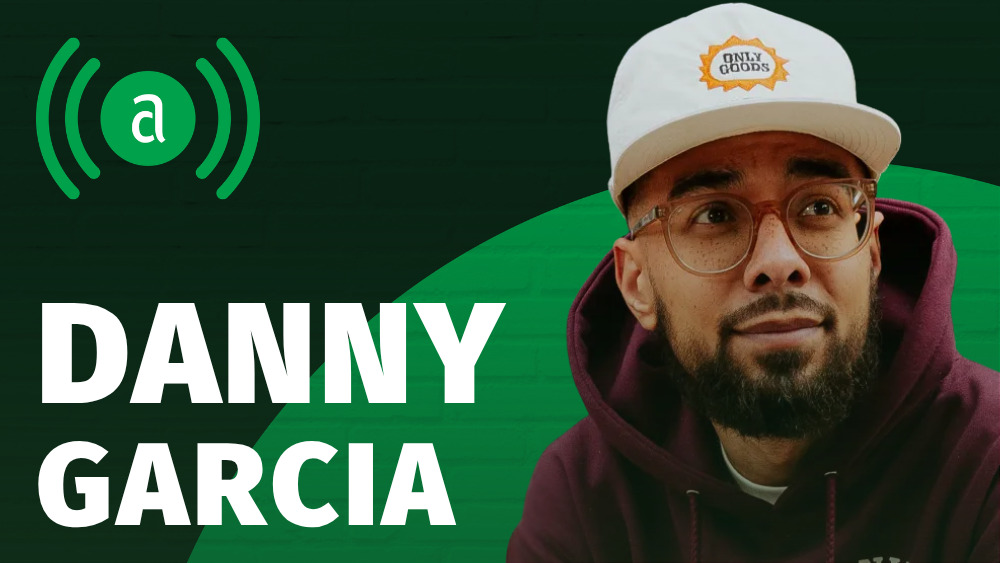
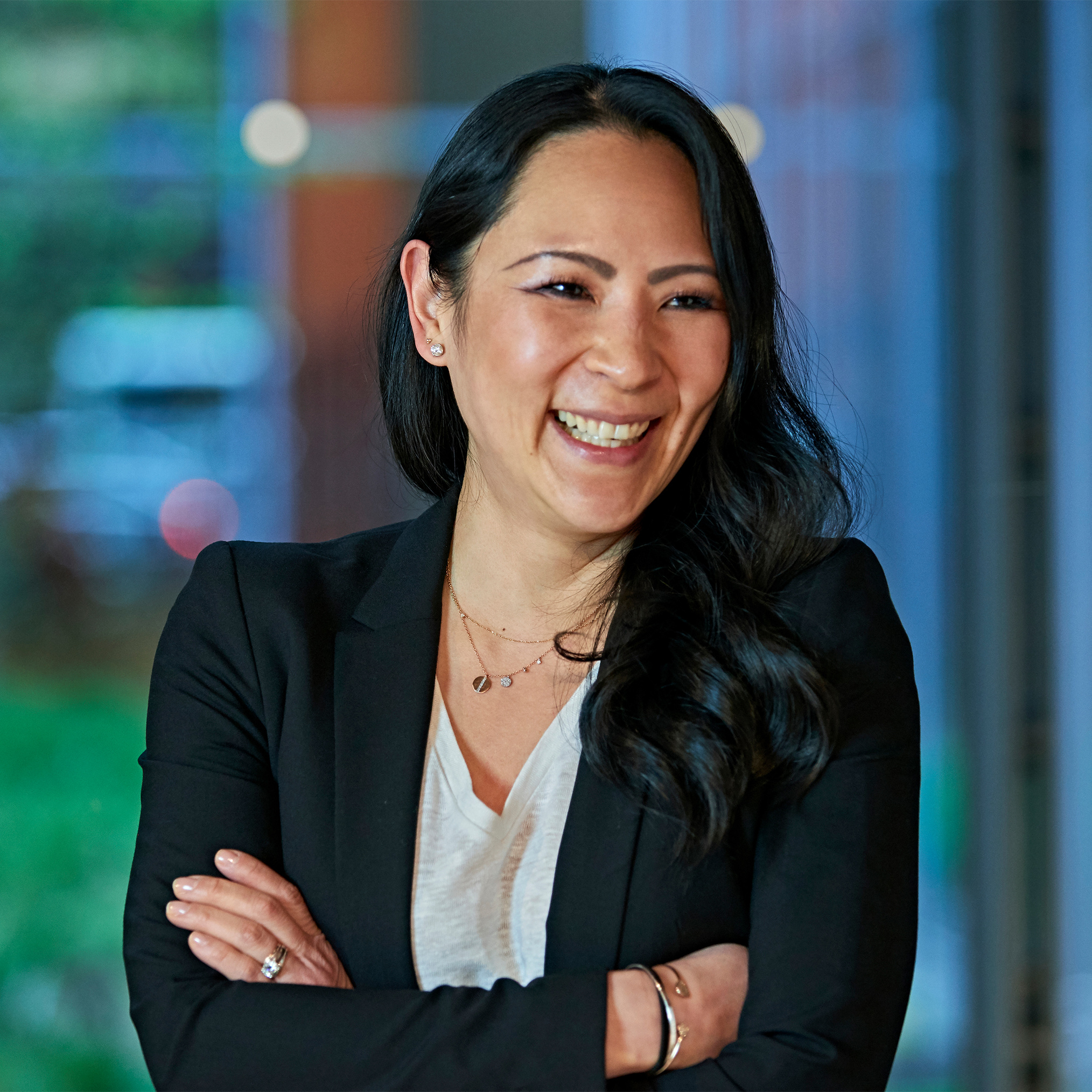

On this episode of Hospitality On The Rise, Danny joins host Alice Cheng to talk about the journey behind the win, from busing tables as a kid and training with the Bocuse d’Or team to helping open Crown Shy. He also gets real about what came next: closing his first restaurant, Time and Tide, and putting his energy into Only Goods, a Latin American concept he’s building through salsa macha, neighborhood pop ups, and community.
Links
Transcript
HOST: ALICE CHENG
Welcome to Hospitality On The Rise, the podcast about the people shaping the hospitality industry and their journeys. I'm your host, Alice Cheng, Founder and CEO of Culinary Agents, hospitality's go-to hiring platform. And I'm here to give you your dose of virtual mentorship.
Here, we'll be sharing the stories, lessons learned, and advice from hospitality leaders who've carved out their own path to success. After all, this industry is where many get their start and go on to do incredible things.
Whether you're a pro, starting out, or just love the hustle, this podcast highlights what makes hospitality extraordinary, the people.
HOST: ALICE CHENG
I'm so excited to have Chef Danny Garcia here with us today. Danny is the Chef and Owner of Only Goods, which is his first solo hospitality project. So we're gonna get into this one in all of the nitty-gritty details. He's also the 2025 JBFA Semifinalist for Emerging Chef, 2024 Top Chef Season 21 winner. Let's give that a moment. 2024 Robb Report’s list of American Fine Dining's New Power Players, first place Ment’or Young Chef Competition back in 2016, Bocuse d’Or Team USA. I'm gonna stop there. Danny, so nice to see you. Thank you for joining us.
GUEST: DANNY GARCIA
Yo, thank you for having me. I'm excited to chat. I'm excited to be here and it's gonna be fun.
HOST: ALICE CHENG
I am too. I was just saying before we got on that this is like take two. We had an initial recording, some technical malfunctions, we had to re-record, and so much has happened since we spoke last.
GUEST: DANNY GARCIA
On timing, the world has turned three times since then, but I'm excited that we're doing it now. I think it's a really amazing time to talk about all the things that we're doing and so it's gonna be good.
HOST: ALICE CHENG
Yeah, yeah. Well before we get to all that fun, exciting, what's-going-on-now stuff, let's roll it back. How did you get into the hospitality industry?
GUEST: DANNY GARCIA
Yo, I've been cooking forever. My first job was in a restaurant. I was a busboy, and my family's kind of always been food-centric and around food, being in restaurants, and every gathering that we've always had has always been around a table. Food is super important to us. So it was kind of this natural transition as a kid, like I needed some some money to go run around and jumped into being a busboy, which very quickly was like, “I wanna be in the kitchen” and they were like, “Well you can't because you don't know anything about being in the kitchen.” And it slowly progressed into me bothering them every single day. And then I got one shift a week where I was allowed to make a canapé. There was canapés that went out every night at this restaurant. I got to do one, and at first no one even ate them. They gave them to the chef, and he was like, “I'll taste them, and if they're okay…” And then he was like, “Okay, you can progress, progress, progress” and slowly went from there and worked my way to going to Johnson & Wales, and the rest was history after that.
HOST: ALICE CHENG
The rest was history. You're not getting off that easily. So what was your first–you were just talking about how you got in and you were progressing. Post-school, can you think back to kind of your first, like, how did you get into the professional kind of restaurant side of it?
GUEST: DANNY GARCIA
So I knew that I wanted to be… The high school that I went to had a culinary program in it where there was a restaurant and there was… all the students ran the restaurant. So the freshmen would make the stocks, the sauces and so forth, and the seniors would operate the restaurant. It really gave you a good glimpse into how the industry worked and what was going on. And so from eight seventeen, eighteen years old, I knew I wanted to be a chef. I just didn't know in what lane it was. And I thought for a long time I knew about fine dining. I knew about the EMP–back then, it was 2018, they were just rocking and rolling.
And part of me was like, I wanna do that. And then I got introduced to corporate dining, cooking for executives at Credit Suisse and all of these places. And part of me thought I was gonna do that. And that was my first job out of college, was I was the food and beverage director for the United Nations. Craziest job for a nineteen year old kid to have.
HOST: ALICE CHENG
Wow.
GUEST: DANNY GARCIA
I got paid way too much money and it was incredible, but it was also a union where I'm nineteen years old, everyone there was like fifty-five and above, and they were not listening to this young kid come in and be like, “Oh, we're gonna do this, we're gonna try this,” and they were like, they were not having it. It wasn't going down. And I think there was a lack there of love for the ingredients and the food itself. And it was just more like people were just there for a job, right? And sometimes, and that's okay, right? Like they were there, they knew what they needed to do. They clocked in, they clocked out, they went home. There wasn't the fun creative side of things there.
And so while I was there, I was like, I need to get out of here. And I started trailing and staging around the city and did my rounds to the La Bernardins and the Per Ses and Eleven Madison Park. And that's where I met Jamal James Kent. and he was like, “Yo, I'm starting at The NoMad in a few weeks. You should come and trail and do another stage there.” So I did, and I went back, and I remember on the first day trailing there, I was cleaning a Lexan of snow peas, and then him and I made these little ricotta gnudis. And we had a ton of people in common that we had known and mutual people. He also went to Johnson & Wales. And so there was a really quick connection.
And at the end of the trail, he was like, “Listen, I can't pay you the salary that you're making.” I was making $150,000 as a 19-year-old kid, straight out of school back in 2013, 14.
HOST: ALICE CHENG
Wow.
GUEST: DANNY GARCIA
It's like crazy money. And he was like, “I can't pay you nearly what you're making, but I will be able to teach you, and I will show you how to cook, and I will make you the best chef that I can.” And I was like, “Okay, cool, done deal.” He was like, “Great, I'm gonna pay you nine”– no, was it? It was like eight dollars an hour. And I'd work til my fingers fell off. And that's it. It was just a year later I was a sous chef at The NoMad, you know what I'm saying? And he took me under his wing and and just showed me the ropes very quickly, and Brian Lockwood as well, like ran that kitchen with like…
It was an incredible that the chefs that were in that kitchen now, looking back are the illest chefs of the illest restaurants in the country. You know, like Max [Natmessnig] was my sous chef. He's the chef of Brooklyn Fare now. You know what I'm saying? Like the caliber of chef that came through that kitchen was incredible.
HOST: ALICE CHENG
Yeah, yeah. A couple lessons to be learned there as well. There's so many things for so many different people in this industry. And if you had stayed with that ridiculous salary, quite frankly–ridiculous in a great way–that would have been okay too. There’s one of the most common, I think, pieces of advice during these shows from leaders has been like, “I wish I would have slowed down a little bit. I would have told my younger self to slow down a little bit.”
GUEST: DANNY GARCIA
Totally.
HOST: ALICE CHENG
But when you have an opportunity, and if you know that you are looking to progress a certain way, learn certain things, do certain things, and you feel it that you gotta do it, you gotta make a trade offs. You gotta make your trade offs. And sometimes that's financial. Right?
GUEST: DANNY GARCIA
And that's what it was. I think after that, I told myself I would never take a job–no matter how good or great or whatever it was–I wouldn't take a job for money. I it felt right and it felt like it was the right trajectory or there was tutelage that I was gonna get or knowledge that I was gonna be able to gain, I felt that that was always more important than dollars and cents.
And as a young kid, as a young cook, learning I think that's the most important, right? Is to be able to like, yeah, maybe not everybody wants to be in the two, three Michelin star restaurant and they're grinding and they're like… But there's always, there's everything in between, and there's like a hundred ways to cut the cake.
HOST: ALICE CHENG
Absolutely. And if you think forward, ask yourself, where do I want to be five years from now, et cetera? And you figure out what do I need to learn? Who do I need to know? Where do I need to be in order to get myself there? And then the pieces kind of fall into place. So congrats on that. That's very forward thinking of you. So you spend time on the West Coast as well, right?
GUEST: DANNY GARCIA
I did, I spent some time in Napa. I spent a little over a year in Napa at The French laundry and simultaneously with Matt Kirkley's Bocuse d’Or team.
HOST: ALICE CHENG
Nice, nice. How is that? That's like, I mean all of leading up to that and everything you were talking about is very fine dining, refined, et cetera. And Bocuse d’Or is like the Olympics of fine dining, I feel like.
GUEST: DANNY GARCIA
It's literally the Olympics of fine dining. I mean, it was a wild time. It was fun. It was like, mornings: six o'clock in the morning at The French laundry to work through the afternoon to then go right to the Bocuse d’Or training til like two in the morning, one in the morning. It was wild. I think it was an incredible learning experience being able to see things at that level and through that lens, and being a part of both of those teams was really incredible. I was a young kid doing that, so it was energizing. It was just like running on pure adrenaline every single day. It was like, “Okay, here we go!”
But again, seeing that food that you, specifically for the Bocuse d’Or, like you're cooking food that you work on for two, three months, four months at a time to perfect, right? It's completely different than a restaurant aesthetic where you're mastering this tech– like you're cooking this dish for the season, and then it's gone and you're working on your… You're perfecting this one ingredient or this one single technique to be the best of the best. It was wild.
HOST: ALICE CHENG
Yeah. Absolutely right. I was at the Bocuse d’Or the year that the USA won gold, and that was just bonkers. That whole experience was crazy. So for those of you listening who are interested in that, just go look it up. It's like a whole other portal into…
GUEST: DANNY GARCIA
Yeah, Ment’or, like Ment’or BKB, which is the program that houses the Bocuse d’Or for the United States, it's an incredible program. They have grants and scholarships to young chefs that they give out every year. which they just did in Vegas. And it's this really fun, exciting opportunity for young kids and young cooks to be able to, you know, you cook for a chef for a very long time, and usually until you either quit or you have your own restaurant, you're cooking their ingredients. And it's a fun opportunity for young cooks and chefs to be able to voice themselves through their lens and their food and put themselves on a plate and be able to present to Thomas Keller and Gavin Kaysen and Daniel Boulud and and the Timothy Hollingsworth and all these guys who have who have been in this this world before. It's really, it's a fun program.
HOST: ALICE CHENG
Yeah. Well, now after that experience, you came back to the East Coast, right? You were like the East Coast draw.
GUEST: DANNY GARCIA
Came back to the East Coast, and Jamal was… I mean, the East Coast is home, right? But Jamal was opening Crown Shy and basically was on the phone and said like, “Hey, we're doing this project, I'd love for you to be involved in some capacity. Let's kinda figure it out.” And came back and it was, like, just hit the ground running. We were a group of us who had all kind of worked together, we’re getting Crown Shy off the ground, and it was, at the time it was in the financial district at a time where there wasn't many things happening in the financial district. You had The Dead Rabbit there and that was about it, right? Like there wasn't any really high level serious restaurants that were down there.
HOST: ALICE CHENG
I think Manhatta…?
GUEST: DANNY GARCIA
There was a bunch of dive bars and and hole in the walls, but there wasn't anything else there. And he definitely took a risk, just in the location and hidden in this beautiful art deco building. But it hit I think like, I think that also was… I was the executive sous chef opening Crown Shy at the time. And yeah, I think that restaurant definitely was a formative part of my career where I was really able to find my voice through food a little bit more, we’re putting a ton of things on the menu there. I met Sumaiya, my now-wife there. So a lot of things, Crown Shy was the catalyst to a lot of things.
HOST: ALICE CHENG
Yeah, it's like, I have so many fond memories of just watching Jamal, James, with his career progression and supporting him along the way. And then when it opened and the energy, the vibe. And that, you know, the energy's still there, but the first couple of years was very, it was definitely something special. You don't see it very often.
GUEST: DANNY GARCIA
Yeah, it was looking at food and looking at just how to make a restaurant not stuffy, right? That's always been the model there and the shtick there, is just like rip off the white tablecloths, throw on the hip hop, make it fun, make it engaging, but serve food that's at the highest level, the beverage and the drinks and the service, all of those things are at the highest level. But it doesn't, you could go in with a pair of basketball shorts and a Knicks jersey on, and you're good. And you're gonna be welcome.
HOST: ALICE CHENG
Go Knicks! Yeah. But you were the executive sous chef there. I wanna kind of dive into a little bit your journey to leadership, right? 'Cause obviously you don't just become an executive sous chef.
GUEST: DANNY GARCIA
Of course.
HOST: ALICE CHENG
Can you think about when you were first taking leadership positions or maybe specifically with Crown Shy, like what was the challenge that you had that was different from just working the line or going in and day to day?
GUEST: DANNY GARCIA
Yeah, I think… so I became a manager I think like, well pretty early on in my career. I was nineteen years old when I started at The NoMad, and a year later I was twenty years old and I was a sous chef in the restaurant, right? So progressing very quickly, I was always looking towards my elder statesman of like, okay, what's the best way to manage people, how do you manage people? And I think there was always just looking and like, okay, I'm gonna look and this is a good manager or this is a good manager. And kinda taking those qualities as a young age, and it's almost like being a chef in the sense of cooking, right?
You have to develop those skills and you have to develop your style, and it takes time to be able to become a good leader, right? Just looking at someone and being like, “Oh, well I'm gonna do that” it only works to a certain degree, right? You kinda have to kinda go through the ringer of learning and burning yourself and figuring out, say like, this is how a good manager or a good person leads, right? And a good leader knows when to follow and a good leader knows when to just not say or do anything or when to interject themselves.
I'm gonna be thirty-five this year. I think I'm still, I know I still am learning as a leader and as a manager, right? Of like when are the right cues, when are the right things and being able to trust the team to just do what they need to do without interjecting or micromanaging. And I think at Crown Shy, I was definitely a young manager. Learning patience was my biggest challenge there, right? Of just like, okay, here's how we've done it in the past and I think that mindset too, right? Of like now growing out of that is like, well this is how this is how we used to do it, so this is how it needs to be done. I think that's bullshit, right? Growing and adapting and evolving.
Being a manager is just like being a cook though, in the sense of you pick up things every day, you learn new tools, you learn new techniques. and it's important to be able to grow in that mindset.
HOST: ALICE CHENG
Yeah, I love that analogy. And it's not like once you get promoted into management people are like, “Here's your manual, and we'll send you off to management training for X amount of days and months, and then come back and go for it.” Some companies do offer those types of things and I think in general in hospitality, everybody's looking for more of that. But a lot of it is that style that you form yourself, that is informed by your own experience, where you've worked before, who you've worked for, who you admire.
GUEST: DANNY GARCIA
Of course.
HOST: ALICE CHENG
These are all considerations for people as they're looking at where do I want to work. Whether you're starting in your career in hospitality or you're in it and you wanna change or you're looking for a change or growth, do your research. Take a look at who is doing it in a way that you are interested in that you want to learn from or that you admire and and try to take what you will from it and mold it into your own style? Sounds easier than it is, but over time you kinda learn and you make mistakes, right?
GUEST: DANNY GARCIA
Yeah, of course. And that's part of it, right? Just as you do anything else, there's mistakes that are made, right? The most important thing is learning from those mistakes, being a manager and being able to learn from the mistakes that you've made to correct it and be a better person or be a better manager to your team as you grow and progress. And I think, you know, I say it all the time that you as a manager, as a person should be able to learn something from everyone every single day. Be it the porter or the investor or anybody in between, there's knowledge that you're able to gain.
And to go in as a manager and think you know all the answers is nonsense, right? The most important thing is to be honest and be honest with your team. If you don't know, if I don't know an answer, I'm gonna tell you I don't know. And we're gonna work through it together to figure out how to get there and make the best decision, and maybe it's the right one and maybe it's not the right one, but we'll like to figure it out together. But I think the managers, the managing style of just kind of fake it til you make it or, like, they don't know, I'm just gonna tell them. It's like, yo, people know and people aren't stupid, and they're smart and like..
HOST: ALICE CHENG
Yeah. And people have ChatGPT and…
GUEST: DANNY GARCIA
No, ChatGPT, forget about it. Yeah, as a manager, I didn't even… Yeah, right, as a manager now, forget about it. Just put ChatGPT on the wall, like that's the manager, that's it.
HOST: ALICE CHENG
Claude, whatever. Pick your tool.
GUEST: DANNY GARCIA
That's all the answers. Yeah, no, I mean that's a whole different ball game too, but I think it's just about being straight up, being kind, treating people as people and really being able to, you know, shoot straight is super important.
HOST: ALICE CHENG
Yeah, I love that. I'm gonna segue a little bit into 'cause I don't wanna gloss over the fact that you won Top Chef.
GUEST: DANNY GARCIA
Yeah. That happened once, one moon ago, yeah.
HOST: ALICE CHENG
Amazing. Does it seem like a super long time ago?
GUEST: DANNY GARCIA
It feels like… now it does. It feels like a really long time ago. The finale– so I'm doing Aspen Food & Wine next week, I'm flying out, and the finale just happened I think this past week. And it's like, man, another season of Top Chef… Part of me feels like it just happened yesterday, but man, another season, it's wild.
HOST: ALICE CHENG
Yeah, can you take me a little bit into… So obviously this show has changed a lot–I would say a lot of different facets of hospitality, it's changed, I mean it's changed a lot of pieces. You obviously know better than I do. And it's become like a cultural shift, if you will, of just people being interested and loving not just food and restaurants, but the appreciation of what goes into it. And it's like a really serious actually-cooking show. It's not like, I mean, it is a television show, so I'm sure there's dramatization, but you're actually doing things and actually executing and under the pressure, et cetera. So how did it come about? For those out there who are like, “Wow, I wanna compete one day,” how did that even come about?
GUEST: DANNY GARCIA
So the timing lined up perfectly, right? It's a several week commitment that you have to give them, and we were kinda in between, we were developing Time and Tide at the time. The restaurant wasn't open, and so I had this like, you know, I was kinda just doing different things for the restaurant group and bouncing around. And so the timing worked out, but a few chefs had,,, it kinda works different ways. There's casting that reaches out to people, and then there's always casting and different crew and people on the team and production are always asking other chefs like, “Hey, if there's anybody that you know, just flag their name.”
And that happened with me that a couple of people had flagged my name with casting and production, and so they had called and they did like, “Hey, let's have an interview, let's talk,” and I kinda started entertaining it, and there's multiple interviews that happen, you gotta meet with this one and that one, and they gotta vet you, they do all these things. So like a couple months of just kinda having conversations, I was like, this is like a real thing, this can really happen. And it wasn't anything that I ever really was like, “I'm gonna go do this prior to them calling me.” It wasn't on my list of like, I need to go compete on Top Chef. And that's definitely a thing for people. I grew up watching the show, I'm familiar with it. But it wasn't anything that I was ever dead-set that I had to do.
And then I kind of just thought of it as like a business opportunity to be honest with you. I was like, listen, I can go and compete and cook food that I know and love and have an opportunity to put that on a platform and give it a stage. But also, this is a segue into us opening this restaurant. And it kinda works because it's gonna air at the same time that we're launching and all of these things. And I was like, this could just be a really good branding exercise, if you will, that could pay off and I was like, if it works, I win, and then there's all of these things. And if not, then like…
HOST: ALICE CHENG
You still win.
GUEST: DANNY GARCIA
James, Jamal was like, “Yo, if you lose, you don't have a job. There's no restaurant for you, beat it.” But like on a serious note, it was like, okay, cool, like this is a real thing, like a lot of chefs don't do this competition because you don't have the staff to cover you while you're gone for eight weeks, or you don't have the means to be like, “I'm gonna step away from my family for eight weeks” with all of the circumstances that come from that. And so we were just fortunate enough to be in the right place at the right time. I say the stars aligned for that. And I just went and I just had fun.
I looked at it like, you know, I'm very competitive, super competitive. And so I was just like, I have to, I'm winning. I walked in the door, and I'm like, I'm winning. I don't know anyone here. I'm sure you're all really amazing, but I'm winning this competition. And slowly as I started winning different challenges and progressing through the competition, I was like, holy shit, I got a good chance at a run here. There's a good chance here.
And yeah, it was a really amazing opportunity. And it's been an amazing opportunity that's opened a ton of doors and opportunities having competed and obviously having won, that I think and know wouldn't have presented themselves vice versa, if Top Chef didn't happen.
HOST: ALICE CHENG
Yeah,. I mean that lesson there is also you gotta have the mindset. You gotta believe it and own it or else.
GUEST: DANNY GARCIA
That's it. And it was like, no one was gonna do it for me, right? Like, no one was gonna go, and once I was there it was locked in. No one's gonna compete for me. No one's gonna, if I'm having a bad day, chuck it. Just put your head down and really just hunker down. It's good.
HOST: ALICE CHENG
Yeah, and not to toot your horn here, and I think we found this in the bowels of the internet, but you won the most prize money in the show's history. You probably knew that already, but I'm gonna tell everyone.
GUEST: DANNY GARCIA
I did. I don't know about, I think I still hold that title, even though I don't have the title of Top Chef. But I still hold the most money. But it was like yeah, it was all of these sub-challenges where you could win money, and this or this prize and this prize, and I walked out of there… Yeah, it was good. It was real.
HOST: ALICE CHENG
Yeah, and I love–and this is obviously not a commercial for Top Chef, but it's also I feel like, it's one of those shows that has really maintained this level of this is a serious show. It has a level of respect from the industry that hasn't dwindled.
GUEST: DANNY GARCIA
And I think that's what it is. Right. And I think that's what it is, right? I think it's, you know, there's shows that are just kinda gimmicky or there's shows that are just there to create buzz, but it's like this is a show that you have real chefs, you have chefs that are at the highest level and coming from some of the best restaurants in the country that are doing really amazing food. So it definitely has, more importantly to me than just being–and that was another part of it–more importantly than just being a popular show, it has respect of peers, which I think is the most important. Yeah.
HOST: ALICE CHENG
Yeah. That's the word I was looking for. Yeah. And you can have real tangible outcomes. It actually can do really amazing things for you regardless of, yeah.
GUEST: DANNY GARCIA
A hundred percent.
HOST: ALICE CHENG
Well kudos to that. Let's get into what you're working on now.
GUEST: DANNY GARCIA
Come on, all the fun. So Time and Tide closed about a year ago, and I think it was a very, it was an amazing lesson for me. You know, people are like, “You closed the restaurant, that failed,” dadadada, and I'm like, it didn't fail, it was a time and place, and it didn't last as long as we wanted it to, and it wasn't the run that we wanted it to. But as a chef, as just someone growing and learning, there was a thousand things that I gained and learned from that restaurant. And I think the food that we were cooking in that restaurant was delicious. And I think the team that worked with me there was incredible. And I think the things that we did there were really amazing, but they were just short-lived. And I now get to take all of those lessons of the pros and the cons and be like, okay, here's how you build and become better.
And there's not one incredible chef out there that hasn't closed a restaurant. You know what I'm saying?
HOST: ALICE CHENG
Yeah.
GUEST: DANNY GARCIA
The amount of chefs who are like the best of… the “best chef ever”, they've closed fucking three, four, five, seven. It's like, yo, that counts for horseshoes and hand grenades.
HOST: ALICE CHENG
I’ve never heard that before.
GUEST: DANNY GARCIA
For me, it's what you learn from it, you know? I could sit in my house and be upset that this closed and never cook again and go change my career because there was one failure. But that's a crazy waste of time and talent. So for me, it's like I've looked at it as this amazing positive opportunity that has now given me this other opportunity, right? And so Only Goods is my new concept and my new project that we're working on. The hundred yard line is that we're working towards a brick and mortar restaurant. Only Goods is a Latin American restaurant concept rooted in really just having fun and kinda letting our hair down a little bit.
I think for me, when you talk and you speak about Latin or Spanish food, nine times out of ten the conversation goes to Mexican cuisine. And not because it's a bad thing, they've done an incredible job of positioning that as just high bar, low bar. You can go and have a two hundred dollar taco tasting or you can go have a two dollar taco on the corner. It's everything in between.
But I think when you think about the greater Latin culture, the Puerto Ricans, the Dominicans, you don't think about them in the same category as that high bar. You definitely have the low bar. I can give you the ten illest lechón spots and rice and bean spots or places that are cooking out of steam tables and making just incredible food. But you're not going there to celebrate. You're not taking your partner, your significant other there for an anniversary. It's lunch. It's something you grab and go, or it's like a quick easy dinner and it's really inexpensive.
And so for me it's like if I'm doing my own project, it needs to be a hundred percent unapologetically me. And my food that represents me. And for the longest time I've cooked for chefs that French cuisine has always been the hot cuisine. That it's always been the cuisine that people want to spend money on and they will spend money on.
And I think up until recently you see now the Vijays and the Kwames and and you see Indian food and Afro Caribbean food setting the stage for what food and restaurants do in New York and in the country. And it's like, well, where are my Latinos at? What are we doing?
And so for me it's like, let's be the voice that's not there. I think there's a void in the industry for this particular type of cuisine. And so one of my favorite places–I've always told myself I've never wanted to own my own restaurant, but I've always wanted a bodega. Because I love making sandwiches, I love eating sandwiches. And so it's now the best of both worlds where I want this restaurant to embody the ethos of a bodega, right? They are the hubs of the community. They are where people go multiple times a day, they know the person behind the counter, they have these relationships. It's a community center in a sense, right?
So a space that is a bodega-luncheonette counter in the front, there's some things you can grab and go and easy. But then at nighttime it's this really cool, amazing, fun neighborhood restaurant that's just serving delicious food that you don't have to feel a particular way or look a particular way to come in the door. You just know that you're gonna go in, you're gonna get amazing food and amazing service and you wanna come back.
We're starting the brand a little differently. I say this and I've been saying this, anyone can open a restaurant. Whether it's good, whether it lasts a long time, all of those things, that's up for debate. But anyone can do it, right? And I think chefs are the most creative people until it comes to marketing and branding, and then every chef is like boring and in the same playbook and sticks to the same script of I have ten weeks til opening, I'm gonna start marketing. I put a PR team on payroll. They're gonna start previewing little things. We put paper on the wall. It's like, guys, we're doing all the same things here. Like, let's… you know?
So my intention with Only Goods was to launch the brand early with a CPG line and a product line. And we're doing salsa macha, which is like a chili crisp but the Latin version. And it's something that people know and understand, but it's this versatile thing that people can have in their home and be able to eat and use and taste and try and say, “Wow, this is really good. I want this, and I want more of it.”
And then we're doing these pop ups and different exercises, if you will, that I want people to be able to know and have a household name for Only Goods. So that when the restaurant opens, they're like, “Shit, I know this. This guy's been here, here, here. I've eaten this, I've tried this. I need to have this. This is delicious.” And it's a brand that then is supported already and backed by the community, right?
We're doing a series of mini bodega, we're calling it the Mini Bodega series. We're taking over several different bodegas throughout the city and in Brooklyn. And the goal is to highlight these maybe under-represented spaces and establishments that are struggling, like bodegas are struggling nine times out of the ten, right? And it's kind of a breed that's dying, that you see more and more of these bodegas getting replaced by these larger, conglomerate spaces that just have one stop shops for everything. And so we're partnering with these bodegas to do almost like a block party and bring people together and cook food and make it family-oriented so you can bring your kids, but you can try and see some of the things that we're gonna showcase at the restaurant, but you can also support the bodega because you can't buy everything from us. You need to get X, Y, and Z from them, or we prompt you to like, “Hey, if you buy this from them, you'll get a gift from us” kind of thing. And so really just engaging in the community and rolling these like fun activations out is the goal.
HOST: ALICE CHENG
I love it. I love it. Do it your way.
GUEST: DANNY GARCIA
That's it.
HOST: ALICE CHENG
It's working. I cannot wait to get my hands on that salsa macha.
GUEST: DANNY GARCIA
I know, it’s…
HOST: ALICE CHENG
Hopefully it's Saturday. I mean, better be bringing some on Saturday to sell.
GUEST: DANNY GARCIA
I'm bringing, I just made, yesterday, I made a massive batch, made sixty quarts of salsa macha. so there'll be a ton. It's gonna be on the menu as well. so there'll be a dish with the salsa macha for people to try 'cause I think that's important, right? Like try before you buy, it's the Sam's Club model, like they've they've cracked the code.
But I think like being able to give people these experiences. We're cooking with Alex Stupak on Saturday. And it's exciting. It's a big weekend for the Latino community. Puerto Rican Day Parade is Sunday. We're doing a Nuyorican takeover of Empellón, which is like super excited and Stupak’s like, “Yo, let's just change everything.” Like, I love it.
HOST: ALICE CHENG
I can't wait.
GUEST: DANNY GARCIA
It's just like he's totally embraced everything that we're doing. And so it's really fun. We're gonna have a blast.
HOST: ALICE CHENG
Yeah. This is gonna air a lot later, but I'm going to that dinner, and I cannot wait. It's literally been circled and starred on my calendar. It's the last thing I do before I leave for James Beard on Sunday morning.
GUEST: DANNY GARCIA
Perfect.
HOST: ALICE CHENG
Well, on that note–and by the way, I think it's brilliant with the salsa macha first. in general, I think we're seeing just as the industry evolves, as chefs and the business evolves, having multiple touch points so that somebody can go somewhere, enjoy your food, but be able to purchase, make a purchase and take things home or pop in and get it and do it themselves is definitely the way that I think all of us continue to evolve and how diners and people in general are enjoying this as well, right?
So on that note, we're gonna go to quickfire.
GUEST: DANNY GARCIA
I love it.
HOST: ALICE CHENG
What advice would you tell your younger self?
GUEST: DANNY GARCIA
Oh man. Be patient. Take a deep breath. It's a marathon, it's not a sprint.
HOST: ALICE CHENG
What's your advice for someone struggling in the industry?
GUEST: DANNY GARCIA
Someone struggling in the industry, I would tell them take a step back and just look at the bigger picture and kinda set, understand what your goals are. Understand where the hundred yard line is for you and what you wanna achieve and where are you at now and what's the roadmap to get there. And know that it's not gonna be a straight path, and you're gonna turn and you're gonna turn around, you're gonna take ten steps back to take one step forward, and that's okay. But just have goals and set the goals.
HOST: ALICE CHENG
What's your advice for fellow hospitality leaders?
GUEST: DANNY GARCIA
Fellow hospitality leaders, I would say not to take ourselves so seriously. I think chefs and people in the industry tend to really take ourselves a little too seriously, and I think there's a level of being really great at your craft and wanting to put up an amazing product. And then I think there's wanting to do that, but being over the top and being unreasonable and forgetting why you do this. And I think it's really important to just let your hair down a little bit and and make sure you have fun.
HOST: ALICE CHENG
I love that. On that note, Danny, so nice to see you. Thank you so much for spending time with us today.
GUEST: DANNY GARCIA
Thank you.
HOST: ALICE CHENG
I can't wait to see you on Saturday and enjoy your new creations and to see what's next.
GUEST: DANNY GARCIA
Thank you so much. It was a pleasure chatting with you.
HOST: ALICE CHENG
Remember, success looks different for everyone in hospitality. No two paths are the same. If you have a leader or a topic you want to hear about, email [email protected].
Hospitality On The Rise is brought to you by Culinary Agents, connecting top talent with employers since 2012. Whether you’re hiring or looking for your next opportunity, join us at CulinaryAgents.com
For more inspiration, subscribe to Hospitality On The Rise and visit HospitalityCareerPaths.com, a free platform by Culinary Agents.
Thanks for tuning in! Remember to like, follow, and subscribe. And if you loved this episode, share it with someone who could use a little inspiration.


