
Links
Transcript
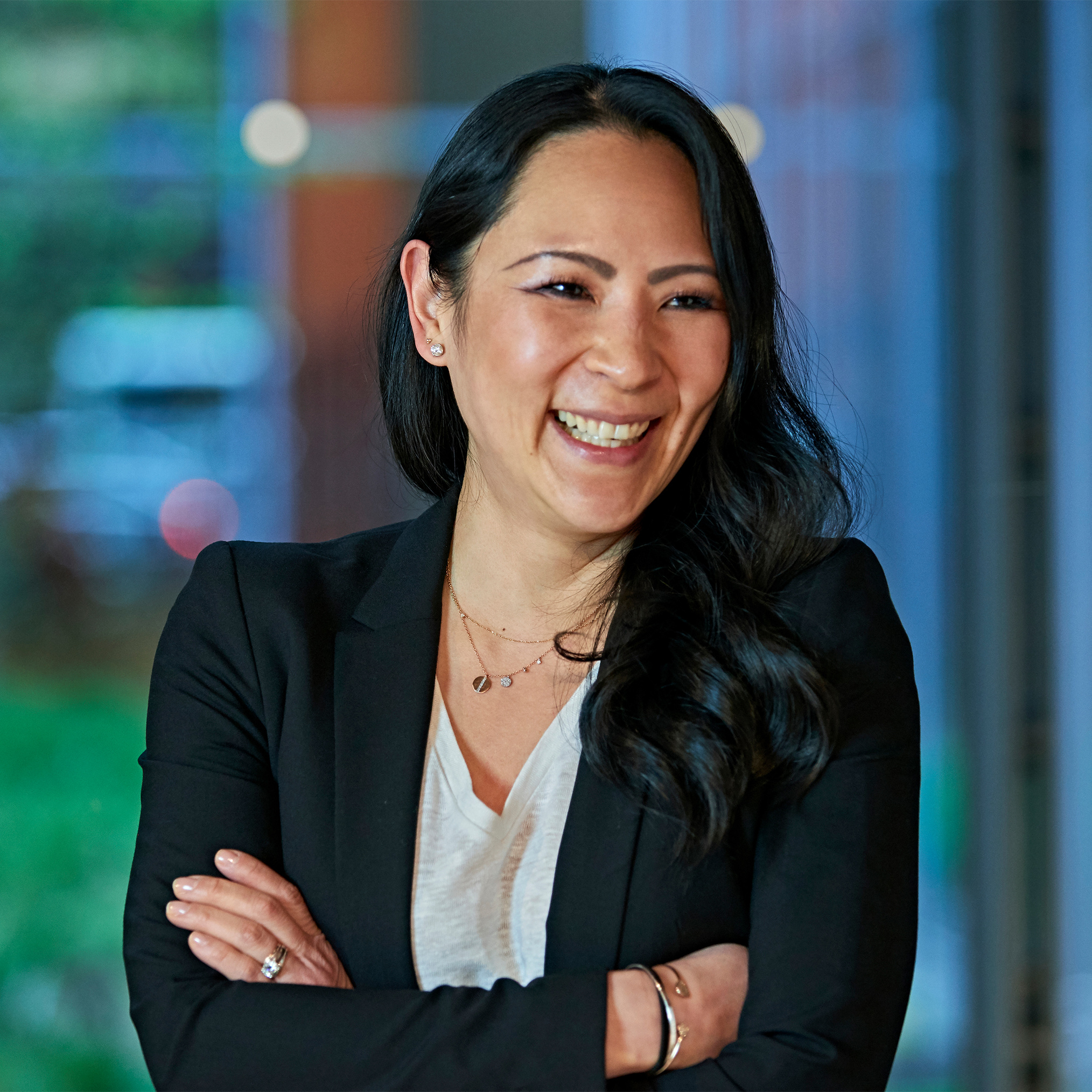
HOST: ALICE CHENG
Welcome to Hospitality On The Rise, the podcast about the people shaping the hospitality industry and their journeys. I'm your host, Alice Cheng, Founder and CEO of Culinary Agents, hospitality's go-to hiring platform. And I'm here to give you your dose of virtual mentorship.
Here, we'll be sharing the stories, lessons learned, and advice from hospitality leaders who've carved out their own path to success. After all, this industry is where many get their start and go on to do incredible things.
Whether you're a pro, starting out, or just love the hustle, this podcast highlights what makes hospitality extraordinary, the people.
HOST: ALICE CHENG
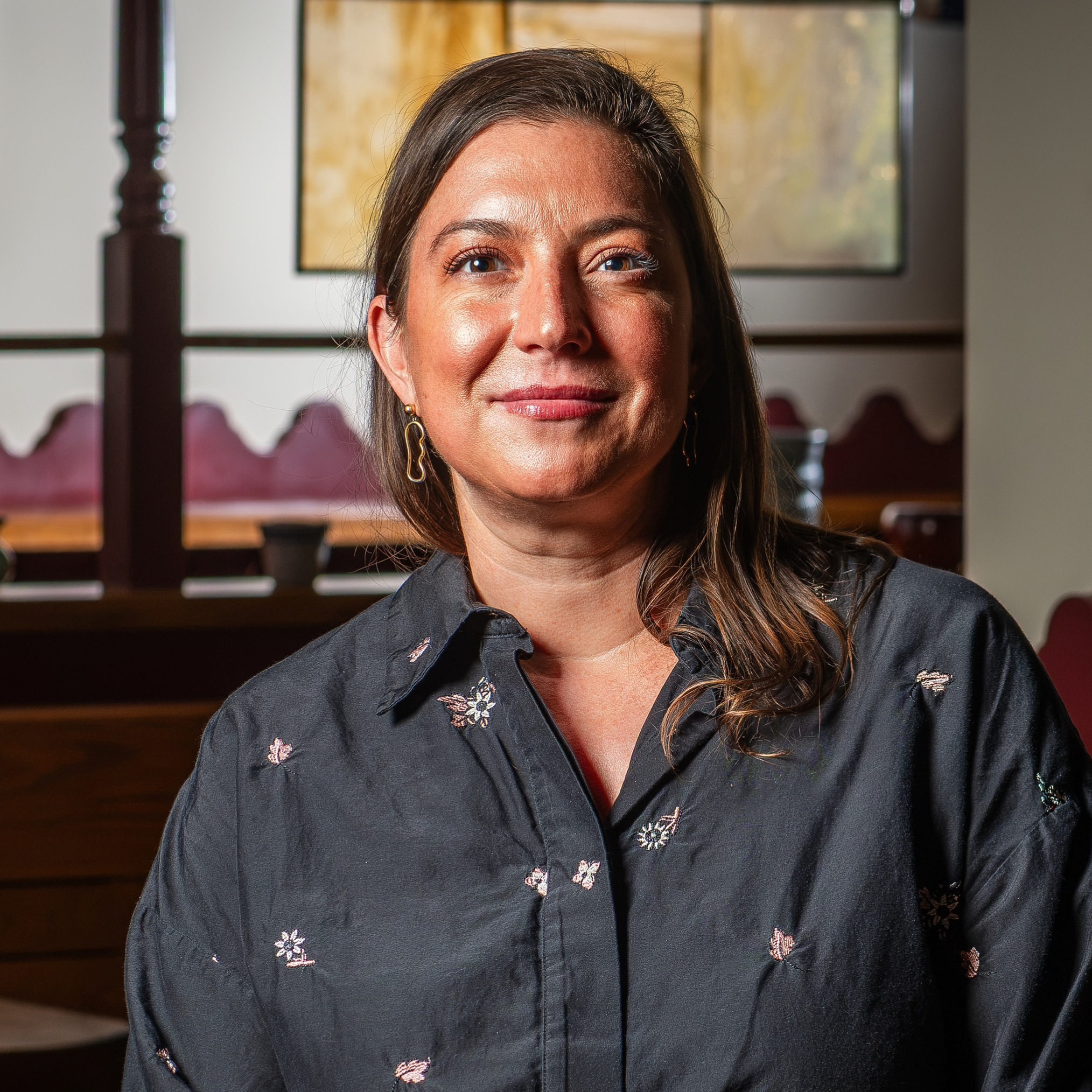
I'm so excited to have Jill Tyler here with us. Jill is the Owner of Rye Bunny, that's located in the DC area. She's also gotten 2024 Michelin Guide Washington DC Outstanding Service Award for a previously, now-closed Tail Up Goat, but we're gonna hear a little about that. It's more of a transformation, we'll call it. But I'd be remiss if I didn't highlight some of the accolades that Tail Up Goat did receive: 2025 RAMMYS winner, and then also James Beard semifinalist for several years: Outstanding Hospitality, Outstanding Wine and Other Beverages Program, Outstanding Wine Program, and a Michelin Star from 2017 up until 2025 when it transformed. So I'm gonna stop there. Jill, thank you so much for joining us today.
GUEST: JILL TYLER
Thank you for having me. I'm really excited to chat with you.
HOST: ALICE CHENG
Yes, and we met briefly, I would say, a couple of months ago, and you had some really great feedback for myself and my team, and I shared that with my team, so thank you for that.
GUEST: JILL TYLER
I'm so glad. It really was. It was such so clearly a hospitality moment. And that's one of my favorite things about so many parts of what we do. But hospitality isn't just in restaurants, you know what I mean? And that was such an example of a hospitality moment.
HOST: ALICE CHENG
Yes, thank you, thank you. But this is about you, so let's roll it back. How did you get into hospitality?
GUEST: JILL TYLER
So I grew up kind of in a tourist economy. I grew up in the Virgin Islands, and so so much of what happens there is fueled by tourism. And so that was really where a lot of high school jobs were. So I started hostessing when I was 15 and kind of immediately was bitten by the bug. The drinking age there is 18. So I was bartending when I was in high school before I moved to DC for college.
HOST: ALICE CHENG
I did not know that.
GUEST: JILL TYLER
Yes, so it was kind of a different dive into restaurants and hospitality. And then when I moved to DC, my first job–because I worked full time while I was in school–was at the Cheesecake Factory. People who know me know it's part of my lore because I was all in. I worked there for two years, and I was like, “Should I drop out of college to move up the corporate ladder? I love this. I love rules. I love systems.” I was like, “I have found my people.” But after that, ended up working for some smaller mom and pop restaurants and just kind of never looked back.
HOST: ALICE CHENG
I love that. It's worth highlighting, obviously large institutions like Cheesecake Factory and these businesses have structure, have training programs, have really great ways that you can learn a lot of things. Some are life skills that you could take with you in other places. But sometimes that's where you find out that you just love this industry, and there's so many different ways that you can build careers in it. So the industry, I'm sure, is very happy that you stayed.
GUEST: JILL TYLER
I'm happy I stayed. When I graduated college, I did that thing where I was like, “Oh, I have to get a ‘real job’,” quote unquote. And so I got a day job, and then I'd be working two nights a week in a restaurant just to keep my toes in it, and then three nights and four nights, and all of a sudden, I'm working forty hours during the day and five nights. And I was like, what am I doing? Restaurants are my happy place. It's okay. And kind of gave myself permission to fully dive in.
And so I think that's also been one of the reasons it's been really important to us as we grew as owners, kind of to create a space where we believe continuing to push the idea that no, this isn't just something you do for a bit. This can be a career. And figure out how to offer benefits and competitive wages so people can treat it as such. And maybe not have those same feelings I did where I kept being like, “Oh, I know I can't choose this.” I went to college. I have to be doing PR. I have to be doing something else. And so I think that's definitely one of the reasons how we ended up here.
HOST: ALICE CHENG
I love it. And honestly that's one of the main reasons why we do these podcasts, is hearing that story and how you got to where you are, even just at the beginning, right? How you got to the beginning of where you are now is important because, I know it's a little bit different now, but certainly people still go through that kind of struggle, right? Where they know, like you said, these are my people. I belong here. You already had that feeling, but you still went through the motions of doing something, which is great, which is fine. And some people reach that point at different levels and they realize, “Okay, what am I doing?” Right? “I'm clearly loving and enjoying and learning and doing my thing in one area, and I'm kind of fulfilling a responsibility in another.”
GUEST: JILL TYLER
That's right.
HOST: ALICE CHENG
Well kudos. And now once you've made that decision and you're like, “I'm all in,” where did you go then?
GUEST: JILL TYLER
Yeah, so I had met Jon, and I kind of also–who's my partner in the business and also my husband at this point–and I kind of knew also if we were gonna make it work, definitely a day job wasn't the answer, and so I kind of officially left my day job at that point, even though I had been doing restaurant stuff on the side, and went full time back to restaurants. And at that time I worked at a dearly beloved long-gone restaurant called Proof that existed in DC that was kind of one of the first really wine-forward restaurants in the city. It was owned by Mark Culler, who has since passed away, but kind of based on his cellar. He had been a tax attorney previously. And it was just a really special place and very of a moment in DC.
And then from there, I went on to run my first service program at a small restaurant that's now closed, and that's where we kind of really got the idea that we were gonna open our own place, and so that's kind of where Tail Up Goat came out of. That was myself, Jon, and Bill who opened Tail Up Goat originally. And we just wanted to open the kind of place that we would want to frequent on our days off. And so that was kind of the idea. I always say our naïveté is probably the greatest blessing we had in opening a restaurant. I had no idea what I didn't know. It was just pure tenacity. I love service, I love people, I love hospitality, so we can put all these things together.
I had created all our financial projections with a lot of help from other people in the industry, but I hadn't really managed P&Ls before that. And so it was a lot of naïveté in opening those doors. And we knew all the things we were going to get right. And we certainly had no idea how many things we'd get wrong, you know? And what we'd have to tweak and figure out along the way. But that's kind of when I decided fully to go back in, was when I'd met Jon and was like, “Okay, let's give this a real go.
HOST: ALICE CHENG
Yeah, I love that. I'm gonna poke at that a little bit. Do you remember one big lessons-learned when you were opening up Tail Up Goat that you just didn't really know?
GUEST: JILL TYLER
I think honestly, it sounds so silly, the managing of onboarding and hiring, which feels really like something to say on this podcast, right? But it's so true. Just the amount of–and especially Tail Up Goat opened in 2016. So kind of a different time on the internet, a different time on apps. Not that all that didn't exist, but I think leaps and bounds, things have changed.
So managing that process was so much more than I could have imagined, and all the back and forth with emails and making sure paperwork, because that stuff's all really important, is filled out correctly and done the same way and done on time. I think that was one of my biggest learning curves in the first six months and managing that onboarding process. And I think now we have a lot of systems around that because we learned all those lessons. But I think that was truly one of the big, oh wow, I never realized just how much went into this one little piece of bringing one person onto staff, and we have 50 people on staff, right? So that was a big learning curve.
HOST: ALICE CHENG
That's great. As you were growing–'cause Tail Up Goat was open for quite some time, and went through a lot of stuff because of the time frame that it was open. But you received, if I'm not mistaken, a Michelin star a year or two years after you opened, right?
GUEST: JILL TYLER
Yeah, year one, it was pretty wild.
HOST: ALICE CHENG
Year one.
GUEST: JILL TYLER
We opened in 2016 and then were told in fall of 2016–but it's the “2017 star”. And we didn't even know Michelin was coming to the city. I think, you know, our heads were down, we were just in it and working and doing our thing. And I also don't know if the same announcements were made as they are now that you know it's coming. Perhaps it was and we were just that underwater. So when we got a reach out saying, “Oh, there's a Michelin guide coming out, can we get some fact checks?”
We weren't really sure what that would mean. And when Jon got that call that day, he will always say it was just something he never expected, right? He didn't cook in New York, he didn't cook in Europe. He was like, “I didn't ever think this was something that was even on my radar, that this was something to work towards or that could happen.” And so that was a really special day, to see the work from the kitchen team acknowledged by such a huge stage.
HOST: ALICE CHENG
Yeah, and we always say awards and recognitions, they're not the end-all be-all, right? And they don't define a team, a person and a company. But they do sometimes put a spotlight on you and they do sometimes help put some butts in seats. So they're all great, right?
GUEST: JILL TYLER
Yes. Yeah, I think all those things are certainly not why we do it, but I think the real blessing of some of those larger awards and recognition is certainly getting people in our door, right? When people are visiting DC, they're like, “Oh, I saw that on The Dish,” or “I know you were up for a Beard Award,” and they come in. And that's huge because people in the seats means we can take care of our team, right? And that's kind of, especially in how we built Rye Bunny, that is the focus. How do we build a sustainable business? What are our non-negotiables? And then how do we build a business around that?
And so I think that's the most important thing that really comes out of all of those recognitions. But I also try to tell our team the good, the bad, the ugly, like, also something not to change your day, you know? Don't get too elated because someone says something nice, and also don't get too down in the dumps when you get a really nasty piece of feedback because there's a lot of noise out there. And I think that's something over 10 years I've gotten better at doing, and not taking it all so personally, because you can't please everyone. We certainly want to try, but also every restaurant can't be for everybody. That would be really boring, right? If we all liked the exact same things and we all had the same favorites and the exact same things resonated with all of us, it would make my job a lot less fun, it would make the dining scene in DC a lot less fun. And so I think knowing how powerful it can be to bring people in is the best part of it all.
HOST: ALICE CHENG
Yeah. And I do wanna get into Rye Bunny, I think, is so interesting, kind of the transition there. One last question about Tail Up Goat is did you see any difference, whether it was the way that you were operating or your teams were operating, from the beginning and then five years in. You know, kinda like once you got your footing and now you have a little bit of systems and processes. Can you talk a little bit about the evolution of that business?
GUEST: JILL TYLER
Yeah, I think I was talking with Brian Miller, who's the architect who designed Tail Up Goat and Rye Bunny, and one of the things we were talking about how there's this magic in openings and those first few years of a restaurant, especially if you are lucky enough to pull together a team that's kind of all on the same page and pushing for the same things. And I look back on those first five years of Tail Up Goat and just think how special the team was, how little turnover we had, the immense talent we had both in our front of house and back of house, and where we were kind of planning to grow Tail Up Goat.
And then there was the record scratch of March 2020, which kind of changed so many plans. And while I don't think we were planning on going to tasting menu at that point, we had this really cool option for how the kitchen could cook for you in the works, and these special things to kind of start pushing ourselves a little more. Because you also don't want to do the same thing every day, you want to get better at what you do, you want to try new things. And so we had all these like cool things in the works, and those never quite came to fruition in that way as the next few years were a lot of pivoting and trying to put the pieces back together, and then ultimately realizing they just were never gonna come quite back together in a way that made sense.
And rethinking what success looked like, what a sustainable restaurant looked like, what a team looked like post-2020. The industry lost so much talent. We have an incredible team. We're so lucky, but it is a very different hiring pool for a lot of reasons that make a lot of sense. We had a chance to hit the reset and pause button, and I think a lot of people took that to think about what they wanted and what made sense for them. And this is a hard industry, and I think a lot of people–had a lot of friends who went to the private chef routes and did other things where they were still able to work with their love of food, but do it in environments that maybe didn't have quite the same hours or at least all the same weekends and maybe a more ability to take those big holidays off when we're working, things like that. So I just think a lot of things changed.
HOST: ALICE CHENG
Yeah, you're absolutely right. I mean, we saw the data at the high level and we also saw the ebbs and flows as businesses were trying to reopen, restructure. And it really was this amazing constant flexibility and trying to figure out what's best, what's best for our teams, what's best for our guests. How can we sustain a business this way while still supporting our teams and doing what's best for everybody, right?
And then this constant I guess on the positive side of this experimentation, this stop and go slash, like, okay, this works, this doesn't, let's change it quickly. And we did see boomerang folks as well who left the industry, did something for a while and for whatever reason, whether this industry is like the center of gravity and they're like, “Nope, let me go back.” Things have changed. But for all intents and purposes, a lot of people don't realize that it's just kinda this year that I'm seeing that businesses are kind of getting their refooting, or maybe just towards the end of last year into this year.
But kudos because, you know, you can't do everything for everyone. But if you have your north star and your non-negotiables and what you wanna build and there's clarity there, you can go from there. And clearly you have done that. So I loved the story that you shared on the panel recently, about how you went to do a stage with Arjav and Tracy. Can you talk a little bit about when you were thinking through the next phase, what that process was like?
GUEST: JILL TYLER
Yeah. Of course. Arjav and I worked together a million years ago when we were both young kids in the industry and have kept in touch and stayed friends. And he and his wife Tracy moved to Austin a couple years ago and kind of opened Birdie's, which is an incredibly special restaurant. And we had kind of been in it working. It was post-2020, not a ton of travel yet. And Jon and I were coming up on the end of Tail Up Goat's lease, trying to decide what was next for us. And we really weren't sure it was restaurants. We hadn't again been able to figure out quite how to put Tail Up Goat back together in a way where it was a sustainable business, and we just weren't sure we could. You know, it would have been kind of the definition of insanity to do something that we knew wasn't working again the same way…
HOST: ALICE CHENG
Same thing over here.
GUEST: JILL TYLER
…and just think, “Well, it's new. So maybe for the first 18 months we'll be buzzy,” and then what happens, right? So we wanted to really think about what we wanted for our future, and we certainly knew we didn't want to run a business that was essentially a nonprofit, a business that wasn't profitable, and a business that you kind of were stressed out about because your payroll was $100,000 every two weeks, and it was like an anvil kind of around our neck.
And so I was talking with Arjav about some of my concerns, really just kind of using him as a sounding board. And he said, “You're gonna open a counter service restaurant.” And I said, “No, I'm not,” because even though I'd heard so much about Birdie’s and we had talked about what they were building, I hadn't experienced it firsthand yet. And I still was really reticent to believe it didn't feel fast casual. And my favorite part about what I do is the hospitality moments tableside. I think it's the coolest thing in the world that we create spaces that people celebrate big and little life moments, and that you create a space people feel a connection with that they want to return to time and time again. It's such a gift. And he was like, “You really need to come see it.” And I was like, “Okay.” So I went and I staged, and an hour in, he said, “What are you gonna do?” And I said, “I'm gonna open a counter service restaurant.”
HOST: ALICE CHENG
Yeah.
GUEST: JILL TYLER
And so I came back home, and I told Jon that's what we were gonna do. And Jon was like, “Are you sure?” And so Jon and I went back, and Jon was at that point, he was like, “Yes, I get it.” ‘Cause until you see it, I understand how you're like, “Okay, so you're gonna order it at counter–how isn't this fast food? How isn't this fast casual?” until you do it. But it really is this special magic of creating… How we've created the line, I think, we have a drink ledge on it so folks can have something to sip on, have their happy hour moment, kind of congregate with their group if there's a line to get to the counter. So it doesn't just feel like you're waiting with nothing to do.
And then when you get to the counter, it's one of our incredible team members. They know our hundred bottle wine list backwards and forwards. They know where all the farms we work with, right? They're people who are bought in. They walk you through the menu, they get your order in, and then from there, you sit down. And when you sit down, it feels like every other restaurant you want to be at. Someone's gonna get you water, keep the drinks flowing, get your table cleared and reset with fresh plates along the way, get you dessert at the end. But that change in ordering changes in how we can staff the restaurant pretty significantly.
And when we were thinking about what came next, we knew we had to make some cost get pulled back to make all the numbers work again. And we knew $100,000 payroll was not sustainable. We also knew that we weren't gonna pull back on benefits and we didn't want to pull back on PTO as part of our benefit package or health insurance. So how do we know that cost going in, and how do we build something around it? And counter service lets us run with a tighter crew kind of all around, but especially on the front of house. At Tail Up Goat, we had about 52 employees most times of the year. And at Reveler's Hour right now, we're running with 34. We're still not at seven days, but I think even when we go seven days, that's really gonna only go up to 37. So that's more than a 20% reduction, which has big impacts on the bottom line when it comes to labor.
And then that also means we can figure out other ways to keep those savings kind of passed on to the guests. So for Tail Up Goat to be sustainable, we would have also had to really significantly raise prices, which is something I think not everyone knows or understands. Because why would you? You're just going out to dinner and you see what Tail Up Goat costs.
HOST: ALICE CHENG
Right.
GUEST: JILL TYLER
But if we were really gonna give it a go in 2026, those 40ish-dollar entrees were gonna need to be 60, 70, right? I was in New York recently, and I think New York is a really good example of where you're seeing 70 and 80 dollar entrees out at a lot of restaurants.
HOST: ALICE CHENG
Yeah.
GUEST: JILL TYLER
And I'm not knocking it. You've got to figure out how to make the numbers work, right? It's just kind of math, no one's getting rich doing restaurants. And so by making this change, we are able to still offer competitive wages for the entirety of our team. Everyone who's full-time, we cover 100% of their healthcare. All full-time employees get 40 hours of PTO a year.
And then we also are able to kind of what I'm calling responsibly occupy the middle. Going out right now, with the state of inflation and economy for everyone, it's a treat. I understand that no matter what level of dining you're engaging in, but what was important for us was to figure out how to kind of occupy a middle space and take care of our team and still use the farms that we've worked with for 10 years.
That was another non-negotiable, supporting local food systems, and then also figuring out how to give back to our community with cash, right? It's always nice to be at events and hand out small bites, but what most organizations need is money. And so we kind of baked in sustainable giving, because while we are really only a walk-in restaurant, we take two reservations a night, and those two reservations have a $25 booking fee, so nominal, right? If you're four people going out to dinner, that's six bucks each. You get to skip the line, go directly to a table, sit down, and a server takes over. And 100% of those booking fees goes to Dreaming Out Loud, which works in wards seven and eight in DC with food insecurity and urban farming, and Amica Center for Immigrant Rights, which works with folks facing deportation in the DMV.
So for us, very long-winded answer, but kind of how we got from talking with Arjav to here was really listening to him and Tracy say, “Whatever you do next, know what you're non-negotiables are and build from there,” and then knowing counter service afforded us flexibility to make our priorities number one because we're able to change and shift our costs a bit.
HOST: ALICE CHENG
Yeah. I love that. I didn't want to interrupt you at all, but I'm gonna pull, extract a couple of nuggets out of there. You know, I think kudos, just a great example of the industry kind of figuring stuff out, and then sharing and lifting each other, right? Obviously, Arjav and Tracy initially created their new model, and he talks about–we actually had both of them on the pod.
GUEST: JILL TYLER
Yes, I listened.
HOST: ALICE CHENG
Yeah, and he talks about the benefits of it, the pros, right? And he's sharing and educating others and saying this is a viable option and it worked for us for these reasons, right? Might not be feasible or make sense for everyone, but certainly I think in a time where, like you said, rising costs is everywhere. And there's just so much you can charge, especially if you're in certain cities, there's just so much you can charge for a burger, right? You know, at some point it just doesn't make sense, right?
And diners, I think, are much more educated now, but they're still gonna be diners, right? And that's fine and that's great. And figuring out what works around your priorities and non-negotiables is a great way to approach kind of a sustainable business. We talk about this industry being a profession, being a career. And the other part of just saying that is, well, you know, finding employers that align with your priorities and your needs, right? Because there's more and more of them figuring it out for themselves and for their teams and offering really great workplaces for long term careers. And the more of that we see, the more this storyline continues to unfold of like, this could be a career if you want it to be. And here are examples of how to do it.
GUEST: JILL TYLER
Yeah, absolutely. We were really lucky in that in reopening–well, opening Rye Bunny, we retained over two thirds of our team from Tail Up Goat, or people who had worked with us at other points in our career kind of came back to work with us again. And that's really special because it's people who are aligned with you on so many things, and–everyone knows openings are tough–are willing to do an opening toom so we've been really lucky.
HOST: ALICE CHENG
Yeah. Well kudos to you and your team. It is not an industry for the faint of heart, of people who just wanna want to play restaurant, you know? So what's next for you?
GUEST: JILL TYLER
Huh, what's next? I think we just talked about yesterday in lineup, I was like, “Hey, we are 13 weeks in,” which is a good reset and reminder, because it feels like the longest shortest time. I feel like we've been doing this forever. And I looked at everyone, I was like, “Think about how many things we have made better in 13 weeks. Think about the fact 13 weeks ago all of us were doing this for the first time. Think about all the new systems we've created, all the ways we're all feeling more secure in what we're doing every day, all the muscle memory of how to move around this space.” And kind of taking a beat to appreciate that.
But also remembering most people are just learning Rye Bunny even opened, right? We are only 13 weeks in. Most people still haven't heard of this weird counter service thing we're doing. We still need to make sure we're explaining it and just kind of resetting ourselves because I think it's so easy–especially for those of us in restaurants who go out to eat all the time–I think we forget how comfortable we all can be in dining spaces, and remembering all the things that are different about what we're doing and making sure everything we're doing that's guest-facing is bringing people to the table.
‘Cause when Jon and I go out to some big meals, I still get nervous walking in, and I'm like, I do this every day. So I can't imagine walking into a restaurant that's kind of different from anything you've seen and not being a little nervous or not sure what's going on. So I think continuing to double down on creating systems around our hospitality, I think is at the forefront for me. Getting open seven days, you know? We have ads on Culinary Agents right now as we're trying to get to seven days and bring on our last team members to do that. One of the things, as we talked about sustainable, was opening at five and then getting to six and then seven.
So I think those are like the most immediate short-term goals. Yeah, and then I think continuing to talk about this stuff. I think that has been really eye-opening in seeing what's working and what still needs tweaking. How many conversations I'm having with other people, both near and far, who are thinking about making big changes to their restaurant or their hospitality business. And those conversations have been really eye-opening, and I feel like I'm taking lessons that our job passed on to me and our talks that we were having a few years ago about that time and sharing that information because I think things are gonna continue to shift, and figuring out how to shift with them is really important.
HOST: ALICE CHENG
Yeah, absolutely. Well, kudos to this fine casual category being defined. And look, independent restaurants, even if you have multi units, you're still part of the independent restaurant world. It's really important. It's important. Things are not gonna get any cheaper.
GUEST: JILL TYLER
No, they're not
HOST: ALICE CHENG
And I think we're seeing more and more diners, but everything has changed and evolved, and I think being flexible and, again, having your stake in the ground and your non-negotiables will help and your guiding principles. And everything else is like, all right, let's roll up our sleeves and figure it out. I love it.
GUEST: JILL TYLER
Yeah. That's kind of it. It's like doing the work, you know?
HOST: ALICE CHENG
Yeah. On that note, we are gonna go to quickfire.
GUEST: JILL TYLER
All right.
HOST: ALICE CHENG
What advice would you tell your younger self?
GUEST: JILL TYLER
It’s something I continue to work on, like, take the advice. Don't put your shoulders up at it. Just take it, listen to it, sit with it.
HOST: ALICE CHENG
What's your advice for someone struggling in the industry?
GUEST: JILL TYLER
I would say it depends on what. I think when I am kind of facing different times or not feeling as connected to the hospitality piece, that's often when I try to go out, because I think that that can be the most reaffirming part of remembering why I love it, especially when some of it is feeling a little more of a grind or the same things happening day to day. When I was in New York and met you at Chef Assembly, I went to dinner at Zimmi's and the somm there, Kevin, was one of the most incredibly hospitable people I've come across in years. And Jon and I both were like, wow, that made us just feel so much more ready to go back to work this week with our best foot forward. So I think that that can be really helpful to remember.
And then I think finding mentors to talk to things about, be it within your restaurant or others, looking for people that want to grow in the same ways. I think tasting groups have been really useful for a lot of people on our team to meet more people within our city's industry and have more people to connect with and talk to about things that are going well or not well or to push you forward and to learn more. I think both of those things can be really useful.
HOST: ALICE CHENG
Yeah. I'm gonna add on to that, even though I know this is quickfire, I'm aware of that–I'm saying that for my team–that asking for help or sharing with like-minded folks and just figuring it out together is so important. I started, just on the side, finding restaurant groups that I work with that have similar growth stage, similar trajectory. And I'm connecting them, and they're just going off and sharing best practices and kind of talking about what they're struggling with together, and I love that. So I'm gonna take that as a call to action to find more moments to be able to do that.
GUEST: JILL TYLER
There's so much learned. Director for a group was in the other week, and she said something that I've repeated so many times since then. Danya, she said, “How lucky are we to work in an industry where you can right the ship so quickly?” We see the full cycle of a restaurant day is like the full business cycle. You see it in one service. And so you can so quickly identify problems, and because of how fast it is, you can right the ship really quickly without layers and months to turn something around if something isn't working. And I was like, “Yeah, that's right.” And I knew that but hadn't thought of it that way, and I keep saying it. We get to right the ship really quickly.
HOST: ALICE CHENG
Yeah, I love it. I may have to steal that. No.
GUEST: JILL TYLER
Yeah. It's brilliant.
HOST: ALICE CHENG
All right, back to quickfire. What's your advice for fellow hospitality leaders?
GUEST: JILL TYLER
I think one of the best things we've done over the last few years is really doing our best to make sure our team knows how open door our open door is, right? And that means having time set with all of our team to sit down and give them face time. Not because necessarily we have feedback or anything like that, but to give them time that is scheduled with different members of our leadership team so that not only do they know that we're saying we're here to listen, but that we're giving them time to do that. That is their time to bring whatever they want. And to try to figure out how to make this place and their work as much fun as possible.
Yes it's a job and yes we have standards, and I have really exacting standards that I'm gonna hold our team to. But I also think that by listening to the teams, we can have some of our best growth. So many of the changes we've made in the last 13 weeks have come from our server team. I'm speaking specifically to the front-of-house side of operations, “Hey, Jill, I think if we tweaked how we were dropping checks this way,” “Hey, Jill,” you know? And so really listening to the team. They're really invested, that's why they're here. And I think remembering that is really, really important.
HOST: ALICE CHENG
I love that. Thank you. On that note, Jill, thank you so much for spending time with us today and sharing some of your lessons learned in your career path. We can't wait to see what's next.
GUEST: JILL TYLER
Thank you. I really appreciate it. Thanks for chatting with me.
HOST: ALICE CHENG
Remember, success looks different for everyone in hospitality. No two paths are the same. If you have a leader or a topic you want to hear about, email [email protected].
Hospitality On The Rise is brought to you by Culinary Agents, connecting top talent with employers since 2012. Whether you’re hiring or looking for your next opportunity, join us at CulinaryAgents.com
For more inspiration, subscribe to Hospitality On The Rise and visit HospitalityCareerPaths.com, a free platform by Culinary Agents.
Thanks for tuning in! Remember to like, follow, and subscribe. And if you loved this episode, share it with someone who could use a little inspiration.


