

Links
- Frances (Instagram)
- Frances (Website)
- Octavia (Instagram)
- Octavia (Website)
- Lorella (Instagram)
- Lorella (Website)
Transcript
HOST: ALICE CHENG
Welcome to Hospitality On The Rise, the podcast about the people shaping the hospitality industry and their journeys. I'm your host, Alice Cheng, Founder and CEO of Culinary Agents, hospitality's go-to hiring platform. And I'm here to give you your dose of virtual mentorship.
Here, we'll be sharing the stories, lessons learned, and advice from hospitality leaders who've carved out their own path to success. After all, this industry is where many get their start and go on to do incredible things.
Whether you're a pro, starting out, or just love the hustle, this podcast highlights what makes hospitality extraordinary, the people.
HOST: ALICE CHENG
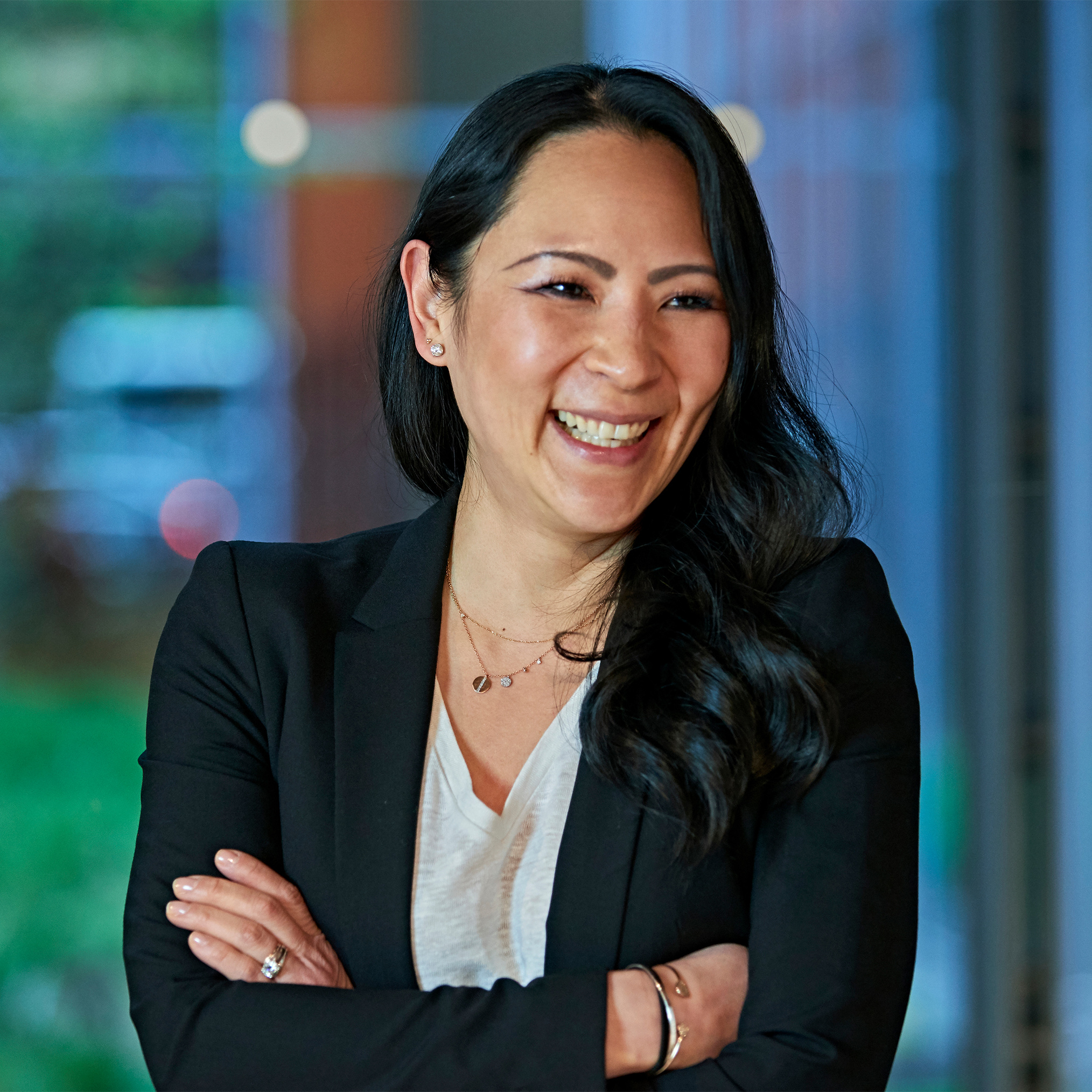
I’m so excited to have Chef Melissa Perello here with us today. Melissa is the Chef Owner of Frances and Octavia, two amazing restaurants in San Francisco Bay Area. She's also JBFA Semifinalist: Best Chef California, Best Chef West. JBFA Nominee: Rising Star Chef. Food & Wine Best New Chef. The list goes on and on. Thank you so much, Melissa, for joining us today.
GUEST: MELISSA PERELLO
Yeah, it's my pleasure. Thanks for the invite.
HOST: ALICE CHENG
Yeah, and I know you've had longstanding restaurants in San Francisco that I've had the pleasure to dine at over many years. But let's take it back a little bit. How did you get into hospitality?
GUEST: MELISSA PERELLO
I think I've always been really keen on food and very passionate about food and cooking even as a young child. I always knew I wanted to do something in the food field. I think, for a bit, I had wanted to possibly get into food photography. But before I even started high school, I knew that I wanted to go to culinary school after I graduated, and so I kind of just tried to put myself on track to get there as quickly as possible. And I started working in restaurants as soon as I was old enough to get a job. And I went to The Culinary Institute of America up in Hyde Park, New York, right after I graduated high school and got started right away.
HOST: ALICE CHENG
That’s great. Wasted no time. Sometimes people just know from the very beginning, and they kind of plan out their path and go for it. And sometimes people discover that later in life. And it seemed to have worked out for you for determining that so early on in in your career.
GUEST: MELISSA PERELLO
So far, so good.
HOST: ALICE CHENG
Yeah. You know, this industry we say is, I think it's the number one largest first employer for people getting jobs, whether it's just as a side thing when they're younger or as their first job. Some people get exposed to it and they love it and they stay, and other folks just take those skills and move on to other things. So we're all glad you stayed. So while you were at culinary school, were you already thinking and dreaming of like, “I'm gonna have my own restaurant one day” or were you planning for your next steps?
GUEST: MELISSA PERELLO
You know what? I think my aspirations were, when I was in culinary school, was to open a boutique b&b with a great restaurant attached to it. I think that that's what I was dreaming about back then, not really realizing how much hard work it is to do all of that. But no, I think I got sucked into the restaurant environment and the drama and the intensity and the fast-paced, and just everything about restaurants that was really intriguing to me once I started working in restaurants.
HOST: ALICE CHENG
Yeah, and so you went to culinary school on the east coast, but you ended up putting roots down on the west coast. Tell me about how that happened.
GUEST: MELISSA PERELLO
Yes. Well, my upbringing was a bit all over the place, kind of two completely culturally different polar opposites. I grew up half in New Jersey and half in Texas and ended up going to high school in Texas. And by the time I was in high school, I was ready to get out of Texas as soon as I could. So part of the reasoning behind going to the CIA, I wanted to be back on the east coast. And then as soon as I graduated from school, I had done my externship for school in San Francisco, working for Michael Mina at Aqua. And I think it was then that I really fell in love with San Francisco, with California. And I was really eager to get back as soon as I could.
HOST: ALICE CHENG
Yeah, we were talking briefly about how the produce and just where the proximity to beautiful things and the weather some time, most of the time of the year is amazing.
GUEST: MELISSA PERELLO
All of the things, yeah.
HOST: ALICE CHENG
Yes, lots of reasons too. So where did you start your career after you were at Aqua in San Francisco?
GUEST: MELISSA PERELLO
Well, I actually stayed with the Aqua group for quite some time, probably about ten years altogether. I ended up moving to one of our sister restaurants called Charles Nob Hill. And I worked under Chef Ron Siegel, who I would say is my biggest mentor in my whole career, really loved working with him.
But I think it was maybe about four years in that he moved on to take another chef position at a different restaurant. And I had the opportunity to either go with him or to stay and take over the executive chef position.
HOST: ALICE CHENG
So you took over the chef position.
GUEST: MELISSA PERELLO
So yeah, I had the opportunity to go with him or to take over as the executive chef, but I was really young at the time. I was only twenty-four. And so I think it was a really difficult decision for me, but ultimately I decided to stay and give it a try. And it was tremendously difficult, but all in I'm obviously I'm very glad that I did what I did because it definitely put me on a speedy trajectory towards achieving my goals. Yeah.
HOST: ALICE CHENG
Yeah, and you know, we hear this often as well when there's kind of a little bit of a pivotal moment where you're in the right place at the right time. It's not luck because you've been doing the work, right? Up until then. It's almost like you've been preparing and training for the moment. But then when it comes, there's this initial like, wait, you wanna move forward and take on the risk. But if you are of early age, sometimes that risk seems seems much larger because it can either make or break you sometimes, I guess, whether or not that's fair or not, right?
GUEST: MELISSA PERELLO
Absolutely. Absolutely.
HOST: ALICE CHENG
So clearly it worked out for you. Take the risks, be at the right place at the right time and show up, right?
GUEST: MELISSA PERELLO
Yes.
HOST: ALICE CHENG
Do you remember back what was one of your biggest learning curves? Because that's not only a big step up from a position and responsibility, but also from a overall leadership standpoint.
GUEST: MELISSA PERELLO
Yeah. I would say one of the most intimidating things and one of the most challenging things about that is stepping up in roles within the same team environment. Suddenly going from being someone's sous chef to being their ultimate chef. Or even, it's kind of I find that in scenarios with my own team, if you promote a line cook to a management position, it's a really challenging step to take because you're now overseeing your peers. And it just can put you into a lot of really uncomfortable scenarios, and it just really takes time for people to understand this new role that you're in and that they really do need to listen to you and give you the same respect that they would give their other chefs as well.
So that was really intimidating, and it was a big hurdle I had to get through. There were people that didn't stick around. I did gain some new team members, and ultimately it worked out. And it was a really huge growing experience, but I'm glad that I did it.
HOST: ALICE CHENG
Yeah, and and thanks for sharing that because I feel like that gets overlooked sometimes. Oftentimes people talk about, “Well I needed to shift to people management in general or do more with P&L, et cetera.” And that's kind of more of a skills gap. But the team dynamics and the relationship dynamics that get affected when someone gets promoted within is like another layer of complication, I think that both the individual needs to be aware of and prepared for, but then also for leaders and managers who are who are making those decisions to promote from within that so many people love to do, is supporting that new leader in these scenarios sometimes is also really important. Yeah.
GUEST: MELISSA PERELLO
Absolutely. Yeah.
HOST: ALICE CHENG
Okay, so now you're executive chef and you're doing your thing. What came next?
GUEST: MELISSA PERELLO
Let's see, I was there for, I think I was in that position maybe about four years. Fortunate to get a lot of accolades during that time. And I was offered a position at a new restaurant group, with the Kimpton Group, at one of their restaurants called the Fifth Floor, taking over from a very highly-regarded, very renowned chef, Laurent Gras, which was extremely intimidating in itself, but at the same time, moving into a completely unknown kitchen with a completely unknown crew. Fortunately, I was able to take some of the people that had been working with me, came to the restaurant with me. So I had a bit of my own team to work with.
But that was a bit of a, I don't know, I don't want to say unsavory shift, but that was a challenge in its own, you know? That was a whole other dynamic to overcome, similar to suddenly becoming the executive chef with this team I had worked with for so long. Now I'm moving into a completely unknown team, and I need to figure out a way to get them to embrace me, to listen to new ideas, to listen to new direction, to be open to new systems. And again, very uncomfortable.
HOST: ALICE CHENG
Yeah. I'm sensing a pattern.
GUEST: MELISSA PERELLO
Yeah, but we got through it. And eventually, we found our bearings and yeah, did great work at that restaurant. But I think it was about three years in that I recognized that overall personally, I was just feeling really burnt out. And I recognized that I had been going full throttle since I had graduated high school, and I guess this was probably, I don’t know…. 12, 13 years post-graduation. And I kind of just recognized that I needed to take a step back, and I just felt like I needed to take a break and find myself. Not to sound sappy, but seriously.
HOST: ALICE CHENG
That's so important.
GUEST: MELISSA PERELLO
Yeah, I was not only burnt out from a work standpoint, but also I think what I realized later on is that I was kind of burnt out on the style of food that I was cooking. I had come up in this fine dining background my whole cooking career for the most part. And I started to realize that maybe that wasn't really the food that I wanted to cook. I think I found myself appreciating, when I would go out, I found myself appreciating food that was a lot more rustic, a lot more simple, a lot more like dining atmospheres that were a lot less stuffy, not so much pomp and circumstance. And I think I started to recognize that maybe that was the direction I wanted to take.
HOST: ALICE CHENG
Yeah, and there's so many important nuggets there that I'm gonna try to latch on to. First of all stepping into difficult situations and evolving a team and making difficult decisions, I mean that that's challenging in and of itself, but sticking with it and seeing it through and setting up the team for success is a skill. So kudos to you. I'm sure your teams learned a lot from you throughout these processes as well, because it's not easy, right?
Then recognizing when you get to a point where you need to take a step back to reset and reconnect to this industry that you love and the profession and the craft and all that is so important. We hear that now more than ever from advice from leaders who needed to take a break, take a step back, felt like they were going through the motions, but they were getting lost a little bit in the motion, if that makes sense, and that they were able to reset themselves by just taking a a step back and asking themselves hard questions. And taking a break too is also something that we hear commonly. Like it's okay to take a break.
GUEST: MELISSA PERELLO
Absolutely. Yeah.
HOST: ALICE CHENG
Okay, so you took a quick break, and you're all refreshed.
GUEST: MELISSA PERELLO
Yeah, I took a pretty long break actually. I think I was out of it for about two years, living off of savings, but also kind of doing random private cheffing or catering gigs here and there. But what I realized is that I was missing the colleagues. I was missing my chef friends. I was missing shopping at the farmer's market or having a good reason to shop at the farmer's market, you know? Because I have this tendency to go to the farmer's market and just buy everything that I see. And that doesn't work out so well for my tiny home kitchen.
But yeah, I missed cooking on a regular basis. I missed the kitchen. And I think it occurred to me that like I, at some point, it clicked for me that I saw the next kitchen I was gonna work in was gonna be my kitchen, that I think I was ready to work for myself. Whether I, in retrospect, whether I was ready for that or not, remains, I don't know... I mean, it worked out. It worked out, but it was tremendously hard, and I had a lot of learning to do before things really clicked into place.
But yeah, I decided I wanted to open my own restaurant, and I started looking for spaces and went through the whole roller coaster of finding a space, falling in love with it, it not working out, falling through, getting your heart broken, starting over. And I think I looked at maybe three or four different spaces and got pretty close on deals before we actually found Frances, which ended up being the perfect space for me. And super easy to get into. It was like a no-key money deal. It was signing a lease. And then there was the super fun project of raising funds, finding investors. Which I'm being sarcastic. It's not fun at all.
HOST: ALICE CHENG
Oh yeah.
GUEST: MELISSA PERELLO
But I had some great support to make that happen. And yeah, I mean, it's all kind of history now. Frances has been open for about, I think, 17 years now almost.
HOST: ALICE CHENG
Wow.
GUEST: MELISSA PERELLO
Is it? Yeah, 17. Which feels crazy, thinking about that. And it’s kind of like when I really stop and really think about the opening process, like the first year of it and how tremendously hard it really, really was, I'm kind of amazed that I was able to do what I did. ‘Cause I can't imagine my fifty year self, fifty year old self being able to do all the things that I could do then.
HOST: ALICE CHENG
Well that's why it happened when it happened.
GUEST: MELISSA PERELLO
Yeah, exactly. Exactly. Yeah, so Frances was about five years old when we had the opportunity to buy a second business. And it's funny because Octavia, our second restaurant, is at the former home of Quince restaurant. And when I was looking for a restaurant location originally before we found the location for Frances, Quince was one of the, they were one of the people I had talked with about potentially purchasing that location. But for whatever reasons, that didn't work out, and someone else bought the restaurant and opened it. But about five years in they decided that they wanted to sell and so it's just funny that it came around full circle and we ended up purchasing that business from them.
And so we opened Octavia in 2015. And that was a whole different adventure because you go into it thinking like, “Well, I'm gonna learn from all of my mistakes of opening the first restaurant, and I'm gonna fix everything and this one's gonna be great.” But come to find out, like, no, I don't think I learned enough. It was still very difficult. And then I think what we found to be the most challenging part was that the original restaurant was feeling under-supported in this new opening. It's feeling kind of left behind. And we went through a long phase of this kind of like stepchild syndrome of just trying to make sure everybody feels well-supported and not forgotten. And we still go through phases of that, I think. There are times that I think some of the restaurants maybe feel, I don't know, it's just a really challenging juggling act to kind of make sure that you're not spreading yourself too thin and making sure that everybody's getting what they need from you.
HOST: ALICE CHENG
Oh yeah. I mean, even for you, you can't be in more than one place at a time, right? At least not right now, maybe in the future. But that holds true for so many different things and people, even having your presence on site, whether it's your team or even guests probably too, not seeing you at your restaurant that they're used to seeing you because you're at another restaurant, et cetera. I think a lot of leaders go through that initial balancing act of, not pleasing everybody, but definitely wanting to make sure everyone's feeling the hospitality and the love and the attention, right?
GUEST: MELISSA PERELLO
Yeah, exactly. And I would say I even feel more pressure, personally, I feel more pressure about that, personal pressure, about my employees than I do even about my guests. I think I really highly regard our employees and treat them as if they're family. Because they are. I mean, these are people that you spend like twelve hours a day with and sometimes six days a week or more. And they are your second family. And so yeah, I think there's a lot of personal pressure there to make sure that you are sharing yourself as equally as possible.
HOST: ALICE CHENG
Yeah. So now you have the second location up and running, which also has this beautiful PDR. I remember walking by it all the time–I lived in San Francisco for a couple of years–and you can see in through the… Can you still do that? Can you still see in from the street?
GUEST: MELISSA PERELLO
At Octavia? Yes, yeah.
HOST: ALICE CHENG
Yeah. That's a great little room. Do you remember what was maybe one of the different challenges for opening Octavia versus opening Frances?
GUEST: MELISSA PERELLO
Construction had gotten a lot more expensive since I opened Frances. It cost us like three times more to open Octavia than it did Frances.
What else? Staffing had gotten substantially more difficult. I remember when opening Frances, we never had in the early years, never had trouble finding staff nearly as much as we did once Octavia opened. And historically ever since then, it's continued to be pretty difficult.
You know, shout out to Culinary Agents right there, because they provide a lot of support there.
HOST: ALICE CHENG
I know. Thanks.
GUEST: MELISSA PERELLO
When you're opening a new restaurant, it feels relatively easier to find staff because you're a hot new thing, and everybody's very interested. But once you've been around for several years, I think if you're not one of the most notable restaurants in town, it can be kind of difficult to find people.
And so by the time we were opening Octavia, we were finding gaps in staff at Frances, not to mention too that we stole some people from Frances to open Octavia. So yeah, I think that was when gaps in staffing started to be a bit of a challenge as well. And again, which takes us back to how do you keep everybody happy and making everyone feel supported in the way that they need, you know?
HOST: ALICE CHENG
Yeah. And that also speaks to the evolution of the hospitality worker too, as far as their priorities, what they look for. Like, yes, a lot of people do like to put new openings on their resume, partially because it's a different experience, right? And also restaurateurs and chefs value that differently as well. Somebody who has had experience being part of an opening team and staying for a while to support that initial kind of growth and manage through that.
But then we also see the folks who are like, “I want an established restaurant that has a reputation of high quality, taking care of their staff, et cetera.” And more and more of of folks kind of prioritizing different things as they're job seeking, because of just all the other factors that come with hospitality, sometimes the uncertainties and you know, different management styles, et cetera.
GUEST: MELISSA PERELLO
Yeah.
HOST: ALICE CHENG
Something for everyone, but it's not for everyone, right? I like saying that.
GUEST: MELISSA PERELLO
For sure. I mean, openings can be such a wild ride. And if you haven't done one, you've got a big surprise coming at you. But I think that there's definitely people out there that seek that energy, that seek that wildness and uncertainty.
HOST: ALICE CHENG
Yeah, yeah. Something for everyone.
GUEST: MELISSA PERELLO
Sure.
HOST: ALICE CHENG
So what's next for you?
GUEST: MELISSA PERELLO
Well, we actually are about to open a bakery. We have my pastry chef that has been with us for about five years now. I knew that she wanted to open a bakery eventually. I recognized that she was super, super talented right away when she first started working with us. And a few years in, we decided–she asked me about like, “I would really love to find a way that I could start working on more pastries, like morning prep pastries, laminated pastries. And what do you think about if we did a pop-up on some weekends outside the back door, to do these morning pop-ups?” And I was like, sure, why not? You know? The business that had been in Octavia prior to us taking over had done something similar. They had a restaurant upstairs and a bakery in the back of the restaurant.
And so ever since we opened, we've always had people randomly pop up and ask us, “Is the bakery still here?” And we're like, “No, it's not been here for quite some time.” We do sell bread out the back door, which all the people in the neighborhood know about. And so we do have people come to buy bread. But so we said, sure, let's try this.
And so we started this pop-up thing once or twice a month. And we call it Saturbake because it's on Saturdays. And it was insanely popular. We had no clue how busy, we never expected this to be as busy as it is. We have a line that wraps all the way around the block and consistently sell out. So we continue to do it, and we've been doing it for about a year and a half now. Continues to be successful.
And I just had this idea. I was like, “Well what if we open a brick and mortar bakery? You know, why not, like, why keep this a pop up? Let's just make it a real thing.” Because it's such a struggle to operate a pop-up out of your own restaurant because space is always an issue, and we don't really have correct bakery equipment, so a lot of our lamination is done by hand. And our mixers are too small, so we have to mix things in three different batches.
Of course Melissa, our pastry chef, was super excited about it, and we started looking for a space. We found a great space, and yeah, things are in the works. We're starting construction next week and hoping to have it open next fall.
HOST: ALICE CHENG
Wow, congratulations.
GUEST: MELISSA PERELLO
Thank you.
HOST: ALICE CHENG
Well, asking for a friend, but really for myself, are you still keeping Saturbake going until the bakery opens?
GUEST: MELISSA PERELLO
Yeah, we're thinking about it. I think it's probably gonna evolve into something that's more like breakfast sandwich, breakfast snack-oriented rather than pastries, like a hundred percent pastry. We'll probably bring over some things from the bakery, but then also just do a la carte-style sandwiches, breakfast sandwiches or breakfast items.
HOST: ALICE CHENG
Nice, nice. Well kudos for you from a leadership standpoint for, you know, somebody who worked for you for a while came to you with an idea, you guys collaborated, and you're investing with her, alongside her and supporting her. Oftentimes we talk about, yes, have enough courage to act to know what you want and ask for it and have that conversation with your management or leadership, etcetera. Make it a conversation. But also prove yourself to that point so you can earn that conversation. And then you never know. You never know how your leaders will support you.
So I love hearing stories like that because this industry is, like you said, using “family” is a loose but real term that gets used, and everybody wants to support each other when you have somebody on your team who showcases all, checks all the boxes, and you see growth there and they're motivated and it makes sense. If you're in a position to support them in a variety of different ways, why not, right? So great.
GUEST: MELISSA PERELLO
Yeah. And I will say too, I think oftentimes a lot of my motivation to open a new location is sometimes motivated because I have long-term employees who have a lot of potential, but in order to provide an opportunity for growth for them, we need to expand because
Frances was such a small restaurant. There were four of us in the kitchen. And there's only so much space, there's only so much room to grow. And so until I could open another restaurant, I didn't have opportunity for people to step into more leadership opportunities.
So I opened Octavia to create a larger position for my sous chef there. And then again, here we have another opportunity to promote Melissa, our pastry chef, and she's basically my partner in this new business.
HOST: ALICE CHENG
I love it. I love it. Well, congrats on that. Can't wait to dive into all of it.
GUEST: MELISSA PERELLO
Yeah.
HOST: ALICE CHENG
Pastry is a weakness. On that note, let's move to quickfire. What advice would you tell your younger self?
GUEST: MELISSA PERELLO
Quickfire questions are my least favorite. What advice would I tell my younger self? I think I would tell myself that just know that everyone else or most everyone else is just as insecure as you are. Everyone else has the same imposter syndrome. And embrace your youth while you can.
HOST: ALICE CHENG
Very sound advice.
GUEST: MELISSA PERELLO
Take care of your body.
HOST: ALICE CHENG
Yes. Body and mind. What's your advice for someone struggling in the industry?
GUEST: MELISSA PERELLO
Somewhat similar.
HOST: ALICE CHENG
Take care of your body and mind, yeah.
GUEST: MELISSA PERELLO
Yeah. Also I would emphasize the insecurity thing. I think it's something that all of us suffer from. I think definitely predominantly female chefs, but I think even male chefs too. I think we all suffer from this, like constantly trying, feeling like we need to prove ourselves. And I feel like if we could figure out a way to relinquish some of that pressure, I think we would all enjoy our jobs so much more.
HOST: ALICE CHENG
What's your advice for fellow hospitality leaders?
GUEST: MELISSA PERELLO
I mean personally, not take things quite so seriously. We're not brain surgeons, and no one's gonna die because of the work that we're doing. And embracing your mistakes and learning from them and being open to input and feedback from your employees, I think.
HOST: ALICE CHENG
I love that. On that note, thank you so much, Melissa, for taking time to share your advice and your career path with us. We can't wait to see what's next.
GUEST: MELISSA PERELLO
Thank you so much. It was great chatting with you.
HOST: ALICE CHENG
Remember, success looks different for everyone in hospitality. No two paths are the same. If you have a leader or a topic you want to hear about, email [email protected].
Hospitality On The Rise is brought to you by Culinary Agents, connecting top talent with employers since 2012. Whether you’re hiring or looking for your next opportunity, join us at CulinaryAgents.com
For more inspiration, subscribe to Hospitality On The Rise and visit HospitalityCareerPaths.com, a free platform by Culinary Agents.
Thanks for tuning in! Remember to like, follow, and subscribe. And if you loved this episode, share it with someone who could use a little inspiration.


