

Links
Transcript
HOST: ALICE CHENG
Welcome to Hospitality On The Rise, the podcast about the people shaping the hospitality industry and their journeys. I'm your host, Alice Cheng, Founder and CEO of Culinary Agents, hospitality's go-to hiring platform. And I'm here to give you your dose of virtual mentorship.
Here, we'll be sharing the stories, lessons learned, and advice from hospitality leaders who've carved out their own path to success. After all, this industry is where many get their start and go on to do incredible things.
Whether you're a pro, starting out, or just love the hustle, this podcast highlights what makes hospitality extraordinary, the people.
HOST: ALICE CHENG
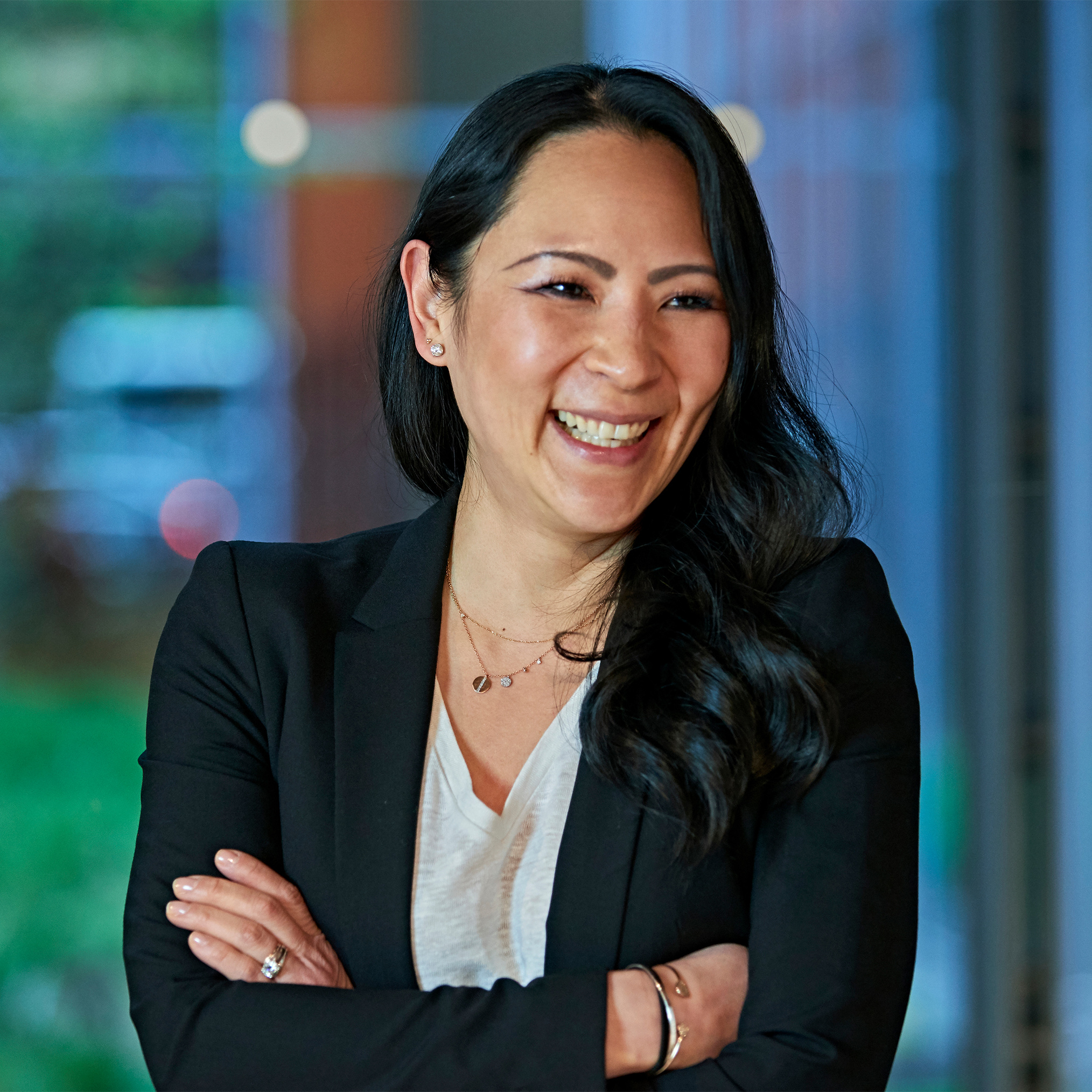
So excited to have with us today Molly Irani. Molly is the Co-Founder and Chief Culture Officer of Chai Pani Restaurant Group, operating in Asheville, Atlanta, Charlotte, DC, and Raleigh, and probably more cities to come. I don't know, maybe we'll talk about that. Molly also oversees the design of all the restaurant spaces. So can't wait to hear a little bit about that. And her group includes Chai Pani, Bottiwala, and Spicewalla, which is retail, and I have enjoyed those as well.
She's also an author, Service Ready: A Story of Love, Restaurants, and the Power of Hospitality, which was recently launched and published, congratulations. And 2026 Cherry Bomb's Power List of Most Innovative Women in Food, 2026 JBFA nominees/finalists for Outstanding Restaurateur, along with, wow, back in in 2022, which is not that long ago, JBFA winner of Outstanding Restaurant for Chai Pani.
Anyway, I'm gonna stop there. Molly, thank you so much for joining us today.
GUEST: MOLLY IRANI
Thank you, Alice. Thank you so much for that sweet introduction. That was really lovely. Really appreciate it. Happy to be here and chat with you all today.
HOST: ALICE CHENG
Yes, thank you. Sometimes there are just so many things and I'm like, let's just get to you, the important part of the conversation. But let's take it back a little bit. How did you get started in the hospitality industry?
GUEST: MOLLY IRANI
I actually grew up in this industry. My mom and stepfather ran our family-run restaurant, and I,as many kids growing up in this industry do, I worked every position in the restaurant, back of house, front of the house. And really there was a lot of parts of that that I loved deeply, and I feel like this industry got its hooks in me at a really young age.
And then I ran as far away as I possibly could from this industry because I saw how hard it can be and how much work it is. And I saw really sort of like an underfunded, bootstrapped, entrepreneurial version of restaurants working my parents to the bone. And it was a super popular, successful restaurant. But even with that, it just required too much of them. And it didn't really leave them with an exit strategy where they could ever retire or have the money to retire or any of those things. And so that was why I ran away from it. And I went into a very different industry.
And then my husband and I, when we built our lives together, we were in California in the Bay Area. And we were in totally different fields, and we wanted to relocate to the mountains of North Carolina to raise our family, to be closer to where I grew up, to be closer to family, and also to be in an area that felt like an easier lift to raise a family in. And we were in the Bay Area at a time of a lot of change. Dot-com world exploding, I lived through all of that transition, and just the expense and the pace and all of that was starting to wear us out.
So we left California, moved to Asheville, North Carolina, and my husband was in real estate at the time. And the 2008 financial collapse happened where everybody was going bankrupt that was in real estate. And banks were on lockdown, and it was a really intense recession. And during that time, we had only lived in Asheville for a few years, and we loved it, and we were settled already and didn't want to have to leave. So we began this process of exploring what does our town need? What can we bring to this town?
And the whole dramatic story of that is something that I share in the book because it really was a kind of dramatic story, as it is for many of us that get into this industry. It's a labor of love. And for us, it really was a kind of Hail Mary midlife crisis, jump off a cliff towards something you're passionate about but have no idea how to actually execute. And that's what we did. And we started our first restaurant in Asheville, completely bootstrapped, as a married couple, rallying a group of friends around us to try to help us make this dream manifest.
HOST: ALICE CHENG
I love it. First of all, I love how you described the industry as it got its hooks in you early because it is one of those, it's like the center of gravity. It kinda pulls you back, and it's always there for you when you need it.
GUEST: MOLLY IRANI
It does. Yep. And that's helpful. I always had in the back of my head–I studied child psychology. I was a doula. I helped deliver babies. I had this whole other life. But in the back of my head, I was like, when the shit really hits the fan, I know I can always go work in a restaurant. It's helpful to know that. Yeah.
HOST: ALICE CHENG
Yeah, absolutely. And the restaurant will always be here for you, this industry.
GUEST: MOLLY IRANI
That's right.
HOST: ALICE CHENG
So exciting, and that story is so powerful in many different ways. Sometimes ignorance is bliss a little bit. Sometimes when we talk to folks and they had spent many, many years working and leading in hospitality, in restaurants, and then they go off and do their own. And they didn't know what they didn't know, but they knew a lot, so much that like… but then sometimes folks are like, “I knew I loved it and I saw a need, and I just crossed my fingers and went and here we are.” And so I'm sure it was much more difficult than that. But you make it sound very easy.
GUEST: MOLLY IRANI
It wasn't. Don’t get that idea! Yeah, it was not easy. It was wild and crazy and all the things, but it was fun. And that was the part that was the surprise for me, is how much fun it ended up being despite all of the fires we had to walk through, the figurative and literal, literal fires we had to walk through.
HOST: ALICE CHENG
Yeah. So I'm gonna dig into a little bit of that. As first time restaurant owners, even though you had worked in the restaurant and you had a base foundation of it, what was something that was kind of unexpected/surprising, like a hurdle that you faced early on when you were opening?
GUEST: MOLLY IRANI
Boy, I think the real honest answer to that question is that it was all a hurdle for us because we didn't come in–even though I had grown up in the industry, we were 39 when we opened our first restaurant. So we had an entire full careers in our adult lives before we started in this industry professionally. So even though I grew up in the industry, I had a lot of ideas of the fun part of it, and I had a lot of ideas of the sort of artistic creative expression part of it.
But how to get a business to financially work, the back end side of things, how to build a team that you can sustain, that is in a transient workforce, all of these pieces of the professional development side of running a successful business, it was all a hurdle. And the gift in it, the piece that was, I think, where the part of our particular story that influenced our success was that we were pulling from our past professional lives and other areas to influence how we did the thing. And because we weren't coming in with a lot of industry professional training, we were kind of reinventing the wheel of how to run a restaurant.
My husband, he had an MBA and his background was in sales. So he had a lot of marketing awareness, a lot of P&L awareness, that kind of information. I had an awareness of how to work with people and how do you build a culture within a team that people want to be a part of and that supports people's growth and longevity in building careers with us really is what ended up happening. So we were faced with constant obstacles, like learning how to get the math to math, learning how to get like all of the pieces of it were challenges for us. But we applied this approach of like, how do we pull in best practices from other industries and try to adapt them and twist them into shape to fit this industry?
And that's part of how we started coloring outside the lines of the rules and the best practices that were already in place in our industry and really started to kind of disrupt it in our own way to be the version that matched our dreams. And that wasn't an easy process. It wasn't just a like, “Oh, here's an idea. Let's just go try this out.” It was years of shape shifting ourselves and trying new things and discovering that they didn't work and then having to adapt and change.
But what we did do all along was we learned from our mistakes. And so what I tried to share in this book was a real transparent look at here's how we did it and the mistakes we made along the way and what we learned from them, and how that learning became the opportunity to really reach success. And I think that ultimately that's the thing that made our story something that I wanted to share, not because I felt like we had it all figured out. Because I feel like we are still students of this industry. We are learning every day. And I was actually a little scared when I published a book because I was like, by the time the book comes out, we will have changed some of the things because we will have learned from them. But that's part of our story. That's sort of our evolution.
But I think that in and of itself is something that as an industry, we need to be sharing more transparently with each other so that we can stay current on what are the best things that are working for you right now? And how are you figuring this out? And why did that thing not work for you? And that kind of conversation is what I was really interested in being a part of because that's what I saw happen in the sort of 17-year arc of our journey and adventure in this industry, was it's been a process of learning our way through countless obstacles.
HOST: ALICE CHENG
Yeah. And you mentioned how you were career changers and bringing in what your existing knowledge to this industry and kind of blending it and learning and evolving, which is so important in many different reasons, because we often talk about how this industry, it's not for everyone, but there's something for everyone. And oftentimes people are here for various reasons, whether or not this is their thing or it's their thing to get them in between their next thing. But the skills that you learn and you hone in on, the network, the vibe, the fun, all of that, that can influence you, whether you decide to stay and build a career within hospitality and in any of the pillars, or you take it to another industry. So there's so many industry transferable skills outwards and inwards, I'd say.
GUEST: MOLLY IRANI
Yes. One hundred percent. Yeah.
HOST: ALICE CHENG
And all those things just make the overall industry stronger as well because I'm sure people are learning from you. They're gonna get some nuggets from your book, I'm sure. And lots of kind of aha light bulb moments will probably happen because, as you know, in this industry also is that it's very easy to kind of put your head down and just get in it and just stay there. ’Cause it's just constant, constant stuff, whether it's guests or your team or just yourself pushing everything forward. So that's so much fun. Thank you for sharing.
You know, after you got–'cause you said seventeen years, that's quite a beginning to a growth story, I'll say.
GUEST: MOLLY IRANI
Right? I know. We were already over the hill when we started.
HOST: ALICE CHENG
When did you kind of start–’cause you have multiple brands, businesses–when did you start that second project? Or where were you when you were like, “Okay, I think we've got certain systems and frameworks and operating systems happening right now, so let's do more”?
GUEST: MOLLY IRANI
Yeah. Well, first I just want to say this thing just popped in my head on what you were talking about before of how the transferable skills you learn in this industry, I think that's such an important point. I just wanted to put a pin in it for a second because I feel like we're in a moment of time in our world where the economy is changing, young people are struggling to find work. And I really believe that if every person in the world had to work in a restaurant for one year, it would totally change the world that we're living in. There would be so much more empathy and understanding of what service industries can offer, not just the people that are working in it, but the world. And so I think that there's really a lot in what you said that we need to remember and hold on to.
In terms of our growth trajectory, so we started our first restaurant in 2008. And I think it was about 2012 when–or no sorry, it's 2009 when we first started–Whatever it was, it was a few years in that we realized we needed to grow mainly because, well, there was a couple pieces. One piece was we had gathered this group of young people working for us that were really committed to our mission and kind of accidentally fell in love with the business alongside us. And we really wanted to help them grow, and we didn't want to lose them in order for their career trajectory to have growth. We wanted to hold on to all of them. So we knew we were going to need to grow in order for that to happen.
And then the other piece was we needed to insulate ourselves financially from the volatility that can happen with one restaurant in a seasonal town, in a small tourist-based town. So there was a lot of roller coasters to ride in that kind of a framework. And we wanted to provide some stability for that so that we could grow out of the financial loop that we were in, the cycle of having to stretch so thin in order to get through the slow winter. And then how do you hold on to your people, and then you have to staff up for the summer, and then a bad winter would put us into the red, blah, blah, blah, all of that cycle.
So that was the initial impetus to grow. I think we thought we had our systems in place enough at that time to manage restaurants in two different cities. But the truth is–and this is the part that I really dig into in the book–the truth is that we did not yet have our systems in place. What we had in place was some really dedicated people. And those personalities helped carry us through the learning process of figuring out what systems actually do work for that kind of a model, because it's a totally different approach than a solo, one-location spot where we were completely hands-on in everything.
HOST: ALICE CHENG
Yeah. Can you give us a little sneak peek as to one of the learnings or tell us what page it's on in your book?
GUEST: MOLLY IRANI
Oh, yeah, sure. Absolutely. Well I dig into these main core principles in my book. And the reason why I selected those principles is because I felt like, what are the core pieces of the foundation that really led to the success? There's so many different tools and strategies and technologies and things that we've tried over time that are always adapting and shifting and changing with the times. But what are the fundamental pieces of our story that made it successful, that helped build a culture within our teams, that had grit and the tenacity to sort of stay held together through the times of disruption that come with running restaurants, because that's an inevitable part of it.
I think one of the principles that I dig into is this idea of, we call it mind-blasting hospitality. That's our code word for it. There's all kinds of code words out there. Take your pick. But it really comes down to, for us, it was a way of finding a shorthand way to talk about our goal, which is to go above and beyond to take care of our guests in the space, each other in the shift, and ourselves. And that extends to our communities. It's how do we take care of our vendors and farmers that are delivering the product, the mailman that's delivering the mail, the guest that's dining in the space in equal measure with our coworker. And so for us, the idea of mind blasting hospitality was the goal to go above and beyond, but it became also our strategy in how to reach that goal.
And because restaurants love shorthand, we have to always find the fastest way to say the thing with the least amount of words. You can't get into an essay when you're trying to talk to your chef about why you need something special for a guest. You just need the code word so that you can say it fast and have buy-in from everybody on the crew so that everybody knows their role in participating in reaching this goal. How do we do it in a way where we're taking care of each other? We're supporting each other to do this thing and to reach the goal. And how do we also stretch ourselves and get creative to really be able to take care of our guests in a high volume, fast casual kind of restaurant space where you don't have the budget and the extra hands that sometimes fine dining can offer?
So I dig into that. I dig into the mind blasting hospitality as one of the principles in the book of, like, this is one foundational thing that really helped build our culture and make it successful.
HOST: ALICE CHENG
Yeah. I love that 'cause you also include how do you take care of yourself as well. And I think sometimes in hospitality everyone's so busy taking care of other people, they forget to take care of themselves. When we talk about to leaders and just folks working in the industry and looking to navigate their own careers, more and more over the past decade I would say, plus, the emphasis or the focus on, okay, how do you also take care of yourself? Physically, mentally, all that stuff because if you are not in a a good physical or mental place, it makes it that much harder for you to take care of your guests and your teams, et cetera.
GUEST: MOLLY IRANI
Exactly. And I think it's really just about breaking down this old bad habit that we all have in our industry of perceiving that kind of self-care as wimpy. Right? We have an old narrative in our industry about that. And chefs in particular are pretty tenacious, hardworking people. And they set a tone that's, like, the bar is high and their ability to cut their finger and just wrap it up and keep working because that's what's needed. That kind of thing is needed at times and you have to be able to do that. But how do you have a baseline of care where you're not expecting that of yourself while you're also showing up dehydrated, hungover, exhausted, you're not able to take days off, you're not able to take vacations where you can renew and rest and deeply care for yourself.
All these sort of mindset shifts of actually what makes us most powerful in this industry is learning that self-care and care for others go hand in hand. And how do we really marry them and view it all as one whole rather than this either-or situation, this either-or dichotomy? I think we are breaking out of that dichotomy, but we don't have a lot of infrastructure in our industry yet to help people see the path towards the how. How do you actually do that?
HOST: ALICE CHENG
Yeah, absolutely. Every day it evolves a little bit more in the right direction, I think.
GUEST: MOLLY IRANI
That's right. We're inching. We're getting there.
HOST: ALICE CHENG
Yes, you're getting there. So you're operating in many cities. Can you remember when you got to a point where you felt like, “Okay, now we've we've sorted out... We thought we had it before, not, we didn't quite, but now we really do. So let's just grow, let's focus on expansion”?
GUEST: MOLLY IRANI
Boy, when was the inflection point? Maybe yesterday. No, we're just kidding. I'm just kidding.
HOST: ALICE CHENG
Maybe next week, I don't know.
GUEST: MOLLY IRANI
All right. Yeah. No, we're still, it's always changing. I think for us, it was a process of expanding, contracting, and then expanding again in the right direction. So one of the big lessons for us was that we had grown pretty large, pretty fast. And part of that was in response to the pandemic. So when the pandemic hit our industry and we were all disrupted and everything was upside down, we started opening concepts in order to keep people employed because our dine-in restaurants were really struggling. And suddenly a staff of what, when we needed 80, now we only needed 20 to run that, and they were just packaging paper bags. There was no bartenders, there was no service. And so the whole structure got disrupted.
In order to keep paychecks flowing, we started opening concepts. And as a result of that—and that worked. That strategy worked. We kept people employed. We kept the paychecks flowing. We were very grateful for organizations like the IRC advocating for help in our industry to get some grant money to help bridge these gaps that we all faced. But it was a really rough time. So on the other side of that, we had a strategy before the pandemic had hit. We had had a strategy to grow our Botiwalla concept, which is our fast-casual concept. Significantly easier to scale than our table service dine-in restaurant–Botiwalla also is dine-in, but it's counter-service. Our table-service restaurant, Chai Pani, which is kind of our flagship restaurant–which we now have three of in different cities–that one is harder to scale. It's much more chef dependent.
So we were making a plan to grow Botiwalla. We had a pitch deck out there. We were looking at different investment options for that. And then the pandemic happened and blew everything up. So we paused that strategy growth. We were in construction of some of those locations at that time. We had to press pause. And instead, we started growing concepts that fit the need of that moment that were fast-casual, takeout only, that kind of thing.
And on the other side of that, when things started to kind of rebalance again and return to some kind of normalcy, our team was looking at this and being like, well, I don't know that we can manage the Botiwalla trajectory we were originally planning while also running all of these concepts in different cities with different themes and different all those different menus. It's hard to perfect that many concepts and really get your numbers dialed in. So we made a decision to let some of those concepts go so that we could trim down in order to grow in the direction we most wanted to grow.
And that process really was an inflection point of identifying the pieces of our business that we all loved the most that we never wanted to lose. And how do we grow in a direction that still keeps us all lit up and having fun in this industry and doing the parts that really excite us?
So that inflection point was a post-pandemic reimagining sort of trajectory change for our business. And it ultimately worked. So now we only have our Indian concepts. We have Chai Pani, Botiwalla, and Spicewalla, our spice company.
HOST: ALICE CHENG
Yes. Thank you for sharing that. I mean, sometimes you have to stop something and take a step back in order to move forward faster, right? And in the right direction.
GUEST: MOLLY IRANI
Yes. Exactly.
HOST: ALICE CHENG
I think human nature, especially folks who are hardworking and are growing and all that stuff, or especially if it's a you know, maybe it's your first concept, maybe it's a project, maybe it's a vision that you had and you finally have the opportunity to really go forward on it, and midway in or somewhat in, you realize it might not be the right concept, it might not be the right whatever it may be. But at that time you're so committed, you just keep charging forward and executing and that can be dangerous sometimes. So you know. Yeah.
GUEST: MOLLY IRANI
Yeah, it's so true. And it's scary to change. It's scary to have that conversation where you stop and you're like, oh my God, how are we do that in a way that also takes care of our people and honors our cultural goals? And there is a way to do it. And you have to write your own rules for those moments of change. But trusting that intuition as an entrepreneur, as a business leader is really important.
HOST: ALICE CHENG
Yeah. And you have, I mean, just talking to you here for fifteen, twenty minutes, I know that you have all these nuggets of information and knowledge that I'm sure you're sharing in your book. So I'm excited to read it as well.
Can you think back to a mentor that you had maybe outside the industry prior to or during? Like, because it's so difficult, and we often talk about mentorship and learning, and in this industry there's historically this apprenticeship kind of mentality. But it gets difficult, especially leaders kind of when you get to the top, it's pretty lonely. Do you have mentors or people that you call upon to help you? And how did you go about kind of building that network?
GUEST: MOLLY IRANI
Yeah, it's such an important question because what you're saying is really true. I think leadership can be very lonely, entrepreneurship can be lonely. We really benefited from the moment of time that we opened our restaurant group. We were part of a wave of entrepreneurs that were opening restaurants and other businesses. There's a lot–Asheville, North Carolina is full of makers and craftsmen, craftspeople, all different, you know, the spectrum, like potters and interesting craft products coming out of this, whether it's food-based or the vessel in which you serve your food. There was a lot of energy around entrepreneurship happening in our town at that time.
We were tapping into a moment where downtown was having a renaissance. It was struggling financially, but there was a lot of people just like us coming in without resources, without a lot of training, but with a really big idea and wanting to bring something to this community that would enhance the community and have value and meaning for the community. So we benefited from that. And honestly, I feel like our best mentors, now that we're more connected and we know people all over the world, there's a lot of people I can call up that I really respect in this industry and be like, “How the hell are you figuring this out?”
But for most of the arc of our story, we were relying on our community, and we benefited from each other. And I really believe this idea of rising tides lift all boats. I think we all, as startup businesses in this town, benefited from the halo of each other's success. And we saw that as a mutual win, not a competition. We were not in competition with each other. We were trying to all lift each other up.
So there was a lot of people that I had on speed dial that I would be like, “How are you balancing budget and how the heck are you figuring this problem out?” And that openness formed a really tight bond within this community. And we also punch pretty high in terms of our weight for population to this area. It's a pretty small area, but the quality of food and the quality of great, interesting, creative ideas coming in the form of small businesses that come out of these mountains is pretty remarkable.
So I'm a big advocate of people forming those communities wherever they are, that can happen. And it really starts with one person just reaching out and saying, like,
“Hey, you want to get together and have coffee and talk? I'm really struggling with this thing. I'm curious if you want to talk about it.” And almost always the answer is, “Hell yes, I need to talk about that too.”
HOST: ALICE CHENG
Yeah. And what's also so important about that, which I'll tap into, is that it doesn't have to just be yes, it's wonderful when restauranters get together and share best practices and solve problems together. But a lot can also be shared and learned from people who are in other industries as well.
GUEST: MOLLY IRANI
Absolutely. Yeah.
HOST: ALICE CHENG
Because reading a P&L is reading a P&L. You can “restauranify” it. Did I just make up a word?
GUEST: MOLLY IRANI
That's a great word. I love it.
HOST: ALICE CHENG
You know, apply the—cause this industry has so many nuances. I mean, that's why Culinary Agents exists. It was like, we're not the first hiring platform or job board, but there's so many nuances in this industry that you have to add this layer and build the tools that are most familiar and useful to the user base so that they feel comfortable using it and are able to use it easily. So yeah, tap into the network. Yeah.
GUEST: MOLLY IRANI
Yeah. So great. I love that. Yeah.
HOST: ALICE CHENG
And how do you find inspiration?
GUEST: MOLLY IRANI
I really find inspiration from my people, to be honest, in our spaces. I had this opportunity when Hurricane Helene came through western North Carolina and devastated our area. It was really profound destruction. I ended up having to get a extension on my deadline for my book because the storm hit the weekend that my manuscript was due. And what ended up happening was it gave me an opportunity to get an extension and to change the narrative ending of my story because what I was seeing unfold around me in response to this devastation of this hurricane from our industry was so moving, and it felt like the sort of actionable version of the theories that I had been talking about throughout the whole book. I saw them in action and I was like, that is the evidence that this is true, that all of these things really work and they really matter and they impact our communities. And those are the qualities that the world needs most right now.
So, what happened during that time was that we were without water for 50 days. Most places had no power. There was terrible destruction all over the place. For the first few days, the entire area was cut off. We were basically an island where all of the roads were blocked in or out of our town by landslides or flooding. So people couldn't reach us, water couldn't get in, resources couldn't come to us. It was such a profound level of destruction.
And what happened was people started wandering in the front door of our first restaurant because that location still had power. And by day two, we were cooking off the supplies we had on hand. World Central Kitchen had helicoptered in, and we were making food with the volunteers that walked in off the street to supply the helicopter drops. And a few restaurants in town that had already been onboarded, because we'd already done work with World Central Kitchen in the past, we just all jumped in the deep end together and started figuring this out.
And the way that my people showed up during that time, they would walk in in a state of complete trauma. Some of them had lost houses, none of them could bathe, nobody had any electricity. People didn't have food. But they would show up to work in order to help their community through this crisis because they knew there was this collective unspoken understanding that happened in our community where if everybody did what they could do, we would have what we need to survive. If we started competing with each other for supplies and infrastructure and all of that stuff, it would be a disaster. And that is not what happened. What happened was that our better angels rose up. And not surprisingly, it was restaurant operators, restaurant workers were boots on the ground, covered in mud, leading the way. And the minute that started to happen, the rest of the community followed.
And it was a model for what we need to get through crazy times and also just day-to-day life. That unity is possible when we really come together. And I think restaurants are one of those places that provide that opportunity. We are a gathering place. We're that third space where it is a gift and a responsibility to be bringing people together like that every day. So that inspires me beyond measure. What I witnessed during that storm, I was like, this is an extreme version of it, but this is actually happening every single day in restaurants all over the world. And it's deeply moving in a time when there's so much disruption and chaos and division, politically and otherwise, I think restaurant workers are showing up with their whole hearts in a way that can be a real model for the world.
HOST: ALICE CHENG
Yeah. Absolutely. Whoa, I just got chills. All right. On that note, and you know, shout out to the unfortunate but fortunate timing of that tragedy with your book, and now you can share those stories firsthand. So thank you for that.
GUEST: MOLLY IRANI
Yeah. Yeah.
HOST: ALICE CHENG
And with that, we're going to quickfire.
GUEST: MOLLY IRANI
Okay.
HOST: ALICE CHENG
What advice would you tell your younger self?
GUEST: MOLLY IRANI
I would tell my younger self to stop worrying so much about what you think the world wants you to be and spend more time and energy in your life focusing on what you want to be and what you believe you have to share with the world. It took me a long time to figure that out, and once I did, that was when I started really tapping my true impact and power that I could have in my career.
HOST: ALICE CHENG
What's your advice for someone struggling in the industry?
GUEST: MOLLY IRANI
Oh boy. Well, first of all, know you're not alone. Everyone struggles in this industry. It is not a paint by numbers, cut and paste, easy industry. It can be wildly rewarding, but it's very difficult to do alone. I think my best advice would be going back to what we were talking about earlier of find your people, build a community.
I'll just really–I know this is rapid fire, but I'm gonna go really quickly. During the pandemic, my friends formed a support group. We called it “shit-nado” because that was what we were living through. And it was a support group to come together and be honest with each other and share our struggles and share our resources. How are you sourcing masks? Where are you getting these supplies? And we openly shared what we had, and that changed the game for how we got through it.
So know if you're struggling, there are other people that have gone through this, they've walked this path. They have walked through the fire. They might have some ideas on how to get through it. And know that you're not alone. I think I shared the honest truth in this book of how hard our journey was and also the rewards on the other side of it because I wanted people to see that represented in print. I wanted that version of the restaurant story to be represented.
HOST: ALICE CHENG
What's your advice for fellow hospitality leaders?
GUEST: MOLLY IRANI
Oh boy, that is a big question. I feel that we are at a moment of time when the world needs our leadership. I think the cultural business leadership that's mainstream out there right now, people are just getting really burnt out and tired of it. This sort of competitive capitalism approach of how do you compete with everyone else to be the winner? And that means somebody else is losing, and the billionaires are becoming trillionaires now and yada yada.
We are in an industry that is actually on the ground, boots on the ground, leading the way toward a more enlightened way to lead people. And that resilience that we learn in our industry is something that the entire world needs to learn right now because we're going through times of great change in our world. And so I think our industry is capable of helping lead humanity through this time that we're living through, but we have to step up into our greater, higher power. We have to be our best version of ourselves, let go of the toxic management strategies from the past, lean into what you know works for leading your crew through the wild ride of service. It's that resilience teaches us skills way beyond getting through a chaotic Saturday night.
HOST: ALICE CHENG
Absolutely. All right. Well, on that note, Molly, thank you so much for joining us today.
GUEST: MOLLY IRANI
Thank you. Thanks for having me.
HOST: ALICE CHENG
I cannot wait to get my hands on that book. Congratulations.
GUEST: MOLLY IRANI
Woo-hoo!
HOST: ALICE CHENG
And we can't wait to see what's next from you.
GUEST: MOLLY IRANI
Thank you so much. Thanks again. This is a really fun conversation. I appreciate it.
HOST: ALICE CHENG
Stay cool.
GUEST: MOLLY IRANI
Thank you, you too.
HOST: ALICE CHENG
Remember, success looks different for everyone in hospitality. No two paths are the same. If you have a leader or a topic you want to hear about, email [email protected].
Hospitality On The Rise is brought to you by Culinary Agents, connecting top talent with employers since 2012. Whether you’re hiring or looking for your next opportunity, join us at CulinaryAgents.com
For more inspiration, subscribe to Hospitality On The Rise and visit HospitalityCareerPaths.com, a free platform by Culinary Agents.
Thanks for tuning in! Remember to like, follow, and subscribe. And if you loved this episode, share it with someone who could use a little inspiration.


