
Links
Transcript
HOST: ALICE CHENG
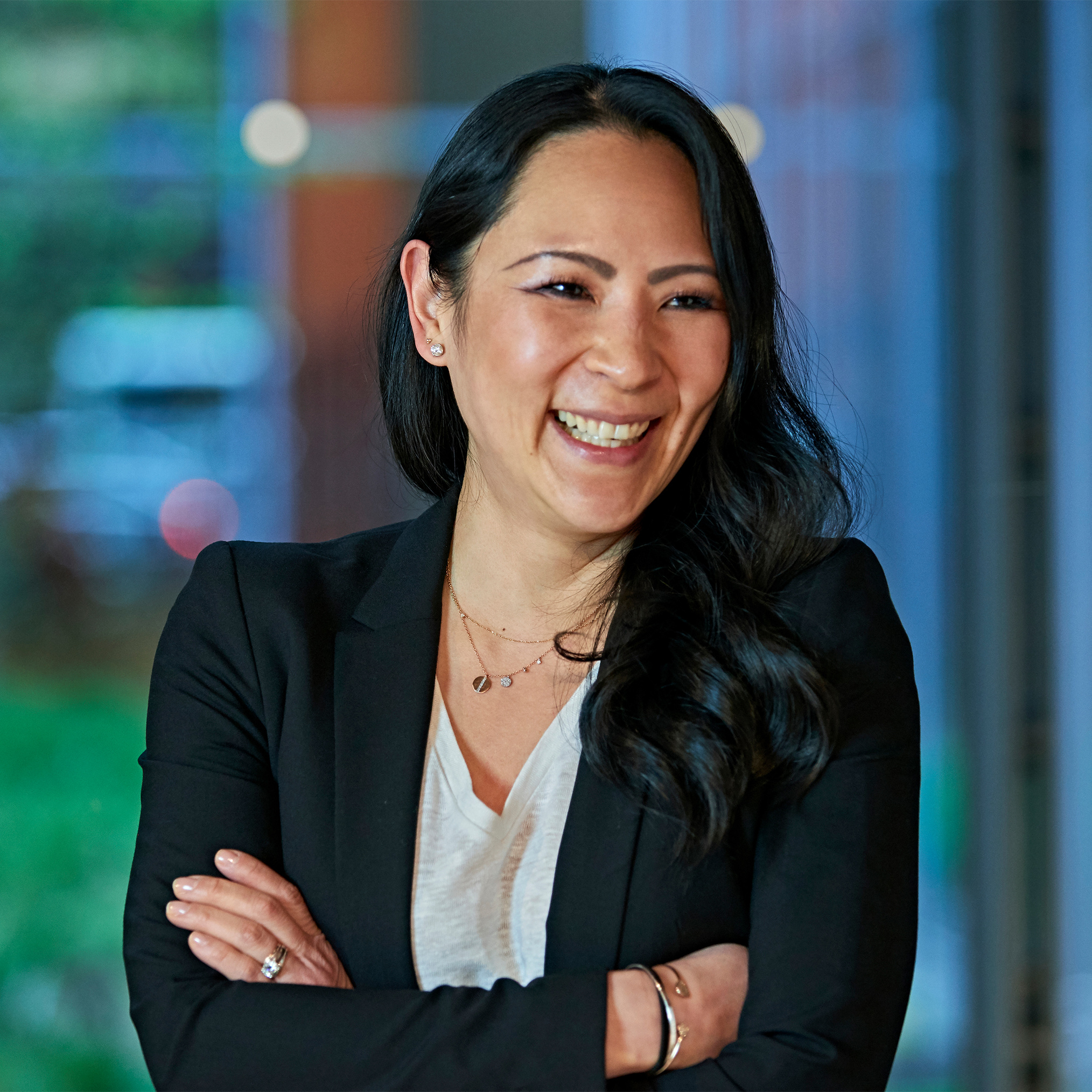
Welcome to Hospitality On The Rise, the podcast about the people shaping the hospitality industry and their journeys. I'm your host, Alice Cheng, Founder and CEO of Culinary Agents, hospitality's go-to hiring platform. And I'm here to give you your dose of virtual mentorship.
Here, we'll be sharing the stories, lessons learned, and advice from hospitality leaders who've carved out their own path to success. After all, this industry is where many get their start and go on to do incredible things.
Whether you're a pro, starting out, or just love the hustle, this podcast highlights what makes hospitality extraordinary, the people.
HOST: ALICE CHENG
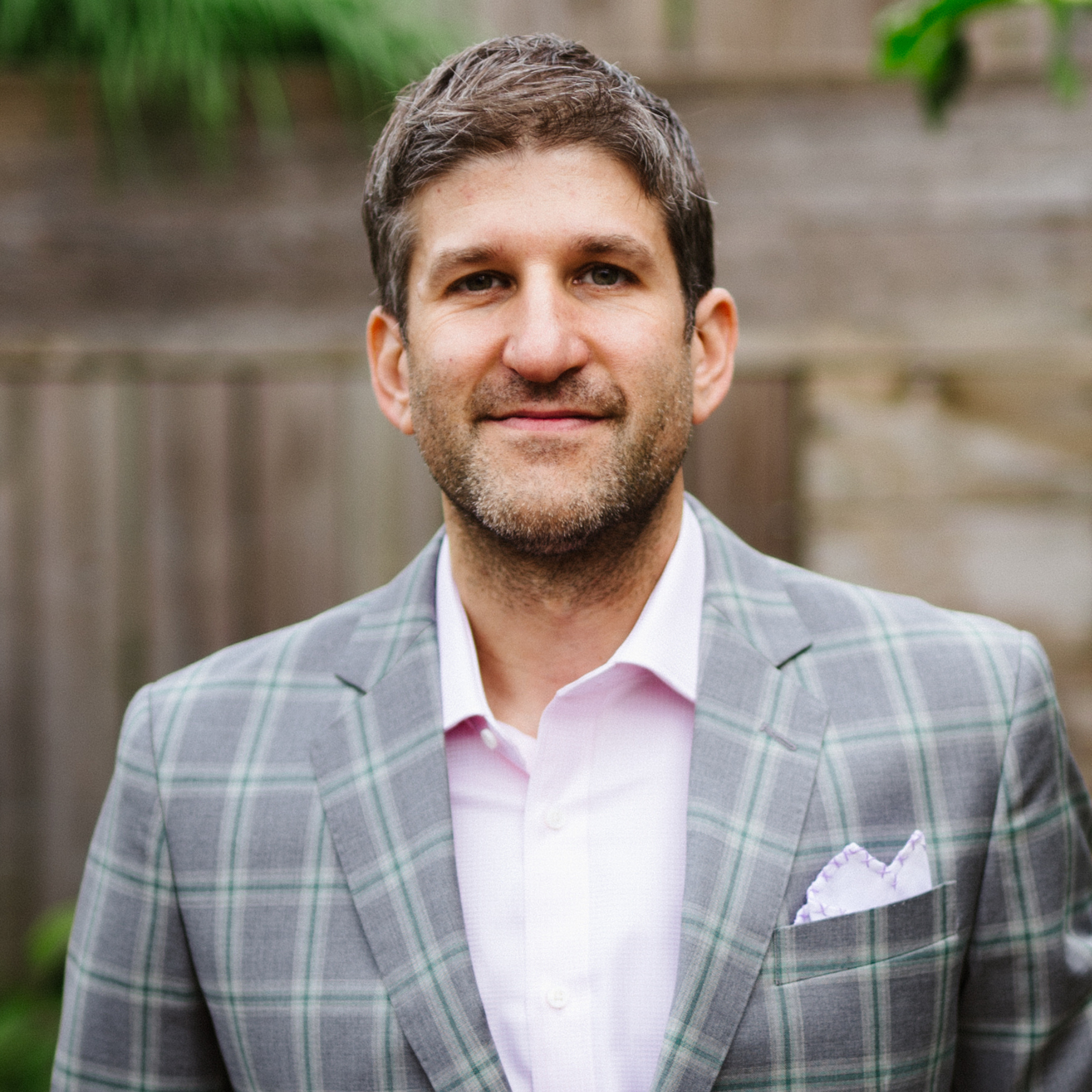
We're so excited to have Ryan Pera here with us today. Ryan is the Co-Owner of Agricole Hospitality and also the Executive Chef of Coltivare. And I believe they're in Houston, all of them, as well as a bunch of other restaurants under his group, which we are going to hear about. He's also the Culinary Board Member of No Kid Hungry, which is a wonderful nonprofit as well. Ryan, thank you so much for joining us today.
GUEST: RYAN PERA
Thanks for having me. Glad to be here.
HOST: ALICE CHENG
Yeah, so take me through, because I see you have a very rich career path here. Take me through, how did you get started in hospitality?
GUEST: RYAN PERA
I got started as a summer job during high school, summer after my junior year. And I was always comfortable in a kitchen. I helped my parents cook. We cooked a family meal pretty much every night. So I was always at the stove. Even in high school, the parties we weren't supposed to have, I was cooking late at night, two in the morning nachos, I was happy to do for all my friends.
So to me, it was just a place I was comfortable and then took that job. You know, started at the lowly spot of dishwasher and had some over the years, some good chefs. So that is how I started. But I really, since I took that job, that is the career I've chosen. I haven't looked back.
HOST: ALICE CHENG
Yeah, and take me through, did you go to school for cooking as well?
GUEST: RYAN PERA
You know, I didn't. I went to UNC and I got an anthropology degree, which actually helped me decide I wanted to cook. And I'm glad I did the four year degree in bachelor of arts, and culinary school was in the back of my mind. I ended up getting a kitchen job during college really to pay for beer and pay for rent…
HOST: ALICE CHENG
The bare necessities.
GUEST: RYAN PERA
Those necessities in your young 20s. But then part of the anthropology degree to graduate–this is my senior year when I was working in the afternoons at night at a local restaurant and then in the mornings going to school–I was on an archaeological dig as part of my graduation. I needed to do it. And every day we'd go out to the site, which wasn't too far away from the school in Chapel Hill. And we were shovels-in-hand, digging dirt and sifting it most of the day, and I really didn't like it at all. It was boring. And I looked at my professor, and he just had the biggest grin on his face. He was having the best time. And I was like, I would go to work at night and I would have the best time.
And it was just enlightening to me. And I really thought about what the hell am I doing, shoveling dirt? I want to be cooking in the kitchen. So that was a moment of clarity, and I went with it. So I did graduate and then immediately stayed with the restaurants, and that was my first sous chef job right after I graduated. So there we go.
HOST: ALICE CHENG
Right. Well, sometimes you got to try a couple things until you have your moment, right?
GUEST: RYAN PERA
Yeah, absolutely. Absolutely. I'm glad I didn't like digging in the field. So it all worked out.
HOST: ALICE CHENG
Yeah, absolutely. And then was that when you kind of went up to New York?
GUEST: RYAN PERA
It was a few years later, that same chef had encouraged me to do it, but I worked in Chapel Hill a few years after I graduated, which was a wonderful experience to kind of be in a college town when you're not a student anymore and have a little bit of pocket money, and you see it a little differently. And then eventually, a few years later after helping run the kitchen, I did move to New York, and that was a great experience as well and worked for some amazing chefs and really learned how to cook there. And I guess it's a gradual experience learning how to cook. So took a lot of pieces that I had learned in North Carolina as well and brought them to New York and then it just kept building. So, very fortunate.
HOST: ALICE CHENG
Yeah, do you remember a little bit of intention, a little bit of luck, and a little bit of working hard for people to have them then put their reputation on the line to support you to move forward as well?
GUEST: RYAN PERA
Absolutely, had some incredible mentors, and the little bit of luck, I like to tell my cooks it's better to be lucky than good. And I feel in my career, I have that every step of the way. Sometimes it does take a little luck, or you're allowing yourself to be open to the luck in which it construes opportunity. And I think it's so valuable. Yes.
So these mentors, they open themselves up, and you're working hard, you're on the line or you're a sous chef, I did a little of both in New York City. And if you give, I found that the chefs you work under will give back. And I try to do the same thing with my cooks and sous chefs.
HOST: ALICE CHENG
Yeah, and I don't want to gloss over the fact that when you're saying you were working in New York, you worked at Le Cirque at a very prominent time. That was in the previous location.
GUEST: RYAN PERA
Yeah, I was there when it was four stars, New York Times four stars. And it was a pretty rigorous kitchen at that moment. The chef, Sottha Khun, who was a very interesting fellow, and he did some of those classic chef things you might read about in French kitchens, which was okay. I feel like I needed it. But at the same time, the camaraderie there, the teamwork, to see the organization of a classic brigade kitchen, that I had never really seen. It was pretty amazing when it all comes together.
You know, that giant picture of the French chefs all doing crazy things from the 1800s, one's holding a chicken, one's stirring a cauldron, big sprawling, and that's what it was like. And it was really awesome to be a part of it. And it all did come together, and we made great food during that time, and I was happy to be there.
HOST: ALICE CHENG
Yeah. And then you bring up a great point because, well, first of all, I'll say when I was looking at my notes, I was like, I actually dined at Le Cirque a couple of times while you were working there. So that gives you a little bit of my timeline as well.
GUEST: RYAN PERA
I made the risotto. I made the risotto there.
HOST: ALICE CHENG
Amazing. It was delicious. I've had it. But I also had a good friend of mine who worked in the kitchen at that time as well. And I would get the fun stories as well.
And it's a different time. The industry continues to evolve. And I think–and we'll get to this as we talk about some of the other things that you're doing–is that for leaders such as yourself who have had different experiences and have worked in different cities and in different environments, you come up with your own style and evolve and accommodate kind of how it is to run a kitchen these days, right? Having seen all these different things.
GUEST: RYAN PERA
Yeah, absolutely.
HOST: ALICE CHENG
So you left New York and you went to Houston.
GUEST: RYAN PERA
We did, and that's thanks to my wonderful wife. She is in the medical field, and I don't know if you're familiar, but there's a match day and she matched…
HOST: ALICE CHENG
I am familiar.
GUEST: RYAN PERA
Yeah, she matched at Baylor University here in Houston, Texas. And I had never been to Houston, but I knew at that point in my life, I could cook anywhere. It didn't matter where we went. So I was supportive, and I was kind of excited. And it ended up being fortuitous because I really think… I landed at Four Seasons and worked for a great chef, Tim Keating.
But after a few years, Houston culinary scene really started to blossom. And to be a part of that and see that, to see like this large city just all of a sudden take–not all of a sudden, gradually, but really substantially have a culinary scene take root, have some real opinions in that culinary scene, have some real talent who are still here and see them, see what can happen. To be part of that was just really fun. And still happening. But during that early 2010s period, I think it was excellence, pure excellence.
HOST: ALICE CHENG
Yeah. And it continues to be on a rocket ship in the past couple of years, I would say, especially. Not because it wasn't before. It just has a different voice now. It has different spotlights on it. It has different folks who have worked in different kitchens and have brought different perspectives there, over time, right?
GUEST: RYAN PERA
Absolutely. It's an incredible international city, and I think that is reflected in the food. So a lot of fun to be a part of that.
HOST: ALICE CHENG
Exactly. Exactly. So tell me a little bit about when you decided to open your first restaurant. What was that process like?
GUEST: RYAN PERA
Sure, it wasn't exactly a restaurant which, looking back, is interesting. It was called Revival Market. We were open for 10 years when, in the middle of the pandemic, the lease was out and we decided it was time. But it had an amazing run and it was a lot of fun. So it was a butcher shop-slash-prepared foods-slash-lunch counter, diner, and fresh farmers market produce. So it was all those things. And really, I had so many interests. I was the chef of a great restaurant called The Grove, and that was downtown and that was happening and exciting as well. But my business partner, who–we were not partners then–he just had this idea. He was raising pigs down on his family farm. And we just thought to do something that was not done here and that was to raise our own product, to take it from all the way from step A all the way to step Z. And the process of butchery and to sell the final product to the customer 100% in control by us.
And that was a lot of fun and rewarding. And I learned a lot about one business and how hard that can be and also management of people and also how it is to manage raising of capital and managing funds. So all things that are important, not necessarily the funnest stuff, which I consider cooking the fun stuff, but awesome. And it was a great run, and I still miss it now. We had this amazing smoker that I wish I still had and every little gadget under the sun and not the time pressure of a ticket, of a to-order ticket necessarily. And sometimes I think being a chef, you're a slave to those tickets that are coming in the machine. So when you don't have those and you're just doing these big projects, they can be a rewarding experience.
HOST: ALICE CHENG
Yeah. No, that's great. When you said that, I was thinking about, you know, dreaming about the ticket sound. Do you get that?
GUEST: RYAN PERA
Yeah, that's my nightmare sometimes, is it wakes me up at three in the morning as I hear the sound. I'm still in the kitchen today, and that sound is front and center in my world, no doubt about it.
HOST: ALICE CHENG
Yeah. And you've gone on to open many more different concepts since that.
GUEST: RYAN PERA
Sure.
HOST: ALICE CHENG
Can you, for those–you know, I always try to extract little tidbits of information here for people who might be listening or watching and wanting to open their own restaurant group one day. You start somewhere, so you got that first one. You probably had some lessons learned. What were the challenges when you were opening your second one? How did that come about?
GUEST: RYAN PERA
Well, the second one was a restaurant, and it’s Coltivare. And it was just a few short blocks away from Revival Market. And we saw the “for rent” sign go up on day one and immediately called. And we were the first people to do that and have a great landlord still to this day. We ended up signing a lease. It was a matter of seeing it and acting upon it and being–and we knew exactly what we wanted to do. We have a wonderful garden on the property. It had space for the garden. It was the right size, as in a small restaurant I wanted to do. A good Italian restaurant had recently closed in town. It just wasn't the right fit. And so there was a need for an Italian-style restaurant.
And what we do at Coltivare is really mix what's happening on the product of the Gulf Coast and see that through a lens of Italian food. And that is what we opened. And I do feel it really resonated. And my business partner was happy to do it. And then along the way, we had one of our great chefs who worked with us at Revival and helped open Coltaivare. And he ultimately became a business partner with Coltivare as well. So it was nice to have that third partner and somebody you had worked with and also help mentor a little bit and now share some of those rewards. So really awesome opportunities.
HOST: ALICE CHENG
Yeah, part timing, part having already existing kind of partners that you trusted and respected to be able to move quickly, I would say. And then from there, growing your leadership team, right?
GUEST: RYAN PERA
Yes, all those things. I think knowing… I did know exactly what we want to do concept. I had no qualms that it would work, and whether that it might not have worked, and then I'd say, “God, I would have thought that would work,” but this one did happen. And so we were fortunate that it did. So yeah, all those things that you just mentioned and a little fortune as well.
HOST: ALICE CHENG
Yeah, and then shortly after opening another one, another location.
GUEST: RYAN PERA
And this one, I would say, yeah, me being the chef of the group and then my business partner, Morgan [Weber], is more of the bartender of our group. And this one was more bar-oriented, really doing a spirits-driven ice house. And then we paired that with some tacos in which we're making the tortillas every day. We're braising the meats every day. We're really a scratch-style taco in Houston, Texas, which is done, but we were putting our little spin on it, and we're still kicking now and super proud of that.
And our avenue of thought was when the corn that was sent to Italy from the United States during just post-Columbia was called an eight row corn, which still exists today. And then that ended up being polenta in Italy, but it also was used to make bourbon or a whiskey in the United States, which became bourbon eventually. So we had the polenta and the bourbon that were cousins in a way, and we used that thread to kind of create our concept.
HOST: ALICE CHENG
Ah, clever, clever. And then as you continue to open more, at what point were you like, “Okay, we have our frameworks and systems in place, it's a little easier to kind of roll it out”?
GUEST: RYAN PERA
Yeah, well as soon as you think it's easy, we get the hard ones and we make mistakes. And we opened another three in a part of Houston that was not in the neighborhood we were. And we opened with a bang, and then we were a little too big. And I think we ran into some trouble.
Hindsight being 20-20, I would do it a lot differently now. I think some of it is knowing yourself or knowing your limitations, but we did feel good about it. And, I'm glad I had the experience of some failures because now I can get back up, and now we know and say, “You know what? We shouldn't be doing that. We need to be doing this.” So that has helped my future. But sometimes you look back and you're like, “Wow, why did we make that decision?” So there we go. And I think that's normal for business, and yeah, we're good. We're glad it's behind us, but looking forward to the future.
HOST: ALICE CHENG
Yeah. Well, I mean, and that's–without uncovering too many wounds there–it's great because I can think of many things as I was starting Culinary Agents and we've grown–this is our 14th year–things that are like, I'm kind of happy that we came to the other side of that. I'm glad that there was a lessons learned there. Probably would have made the same mistake just given where we were and what we were doing, but would not make the same mistake again.
GUEST: RYAN PERA
Right.
HOST: ALICE CHENG
Sometimes you do have to do those things or work through it just to learn from it, right?
GUEST: RYAN PERA
Absolutely. And we still retain some amazing employees from that time, which, you know, our director of operations is still with us now. And really I can't imagine having a company without him. He's invaluable. And some of our chefs at our different locations originally came from those, from that failed spot. So, yeah, absolutely. You know, we get a lot of good things from the bad things, and that you just keep moving forward.
HOST: ALICE CHENG
Yeah. If you had to sum it up–and then I promise we'll move on–if you had to sum it up with one piece of advice from the lessons learned, what might that be from that specific time?
GUEST: RYAN PERA
Don't get too big too fast.
HOST: ALICE CHENG
That's what I was guessing that that was the case. And oftentimes what we hear, that does, it can be very tempting. Opportunities come to those who are doing well, right?
GUEST: RYAN PERA
Opportunity. It looked like a great opportunity. Sure, absolutely. Opportunity.
HOST: ALICE CHENG
Yeah. And opportunities are opportunities, right? They're tough decisions. There are sometimes pivotal moments in one's career or a partnership's career, and it can do many different things all at once. And sometimes something looks really great on the surface or just a new area and you take a chance. And sometimes it works out great. Sometimes it was a lesson learned.
GUEST: RYAN PERA
That's right.
HOST: ALICE CHENG
But you guys seem to have come out ahead anyway because you continue forward.
GUEST: RYAN PERA
Yeah, we did. Then the most recent project next door to Coltivare, back in our neighborhood, something we're more comfortable with. We opened a little bar called EZ’s, and we have some fun gas station food there that I help out, like hot dogs and Frito pie, and I know that's on a different area of what my French training was, but at the same time, it can just be so much fun to let loose a little bit and do some things that people want to eat at one in the morning. That concept's just been a home run. It's just kind of a classic. The concept was we want to do a dive bar that has clean bathrooms. And that's kind of what has become.
HOST: ALICE CHENG
Sounds amazing.
GUEST: RYAN PERA
Right. And it continues just to blow it out of the water every night. And it's fun to go hang out there after the shift and see everybody having a good time, seeing the bartenders have a good time. So real, proud of that, that little one that we may probably make less decisions there and our benefit from that, more simple.
HOST: ALICE CHENG
Yeah, yeah. Well, I mean, sometimes it's that kind of kooky idea or that fun, like, “Let's just do it. What the heck” that ends up being the thing that everyone gravitates to.
GUEST: RYAN PERA
That's right. And sometimes it's time and place, and this one was the right time and the right place for sure. And then some, you might not have total control over that, and that's just what's happening in that spot, and it resonates. So yeah, I don't want to overthink it because then it'll probably never, never happen again. So that was one of those where it just works and we let it work. Sometimes we try to be the hands off, you know, let this go, let this go.
HOST: ALICE CHENG
Yeah, well, I mean, it's also like, it sounds like your guests are giving you the feedback by [patronizing], by going to these places and having fun, right?
GUEST: RYAN PERA
Yes. Yeah. Yes.
HOST: ALICE CHENG
So it goes back to like, listen to your guests. And I think when you have multiple concepts within a group, you have both the flexibility, but also kind of the responsibility to offer a variety.
GUEST: RYAN PERA
That's right. Yeah, and it's fun having the variety, and sometimes one employee isn't totally working out, and say, “Hey what if we… They're a good person, they work hard. Maybe we switch the concept.” And we've done that many times and then the person thrives in a new concept. And that's always great to see when you knew they had something in them, and then it just took a little bit different atmosphere, maybe a different manager they're working under, and then all of a sudden you got a great employee. Yeah, that is one of the benefits of having a few different things in your portfolio to look at.
HOST: ALICE CHENG
Yeah. And speaking of leadership and growth, you've worked in multiple cities throughout your career. Can you think of one common thread between the different cities when you're working with talent and you're hiring? What are you noticing? This industry, you mentioned it earlier, where it's like, you have skills that can be literally picked up and moved to another city, right? I think that's one of the beautiful things also. We see that with migration patterns, with people looking for jobs and willing to move. Anything from your experience?
GUEST: RYAN PERA
Yes. I think the idea of learning how to work with a team in the cities, different cities, it didn't matter where I was. Not just the skill set, but using a sports analogy, moving without the ball is so important. And when you do that in a kitchen environment, I think whether in New York or Houston or North Carolina, that brings it together. And it's not necessarily the cooking aspect, but how you work with someone or how you might change yourself just a little bit to help somebody work a little bit better or work a little faster or to get on hopefully get on their good side so they work better with you at the same time. You know, I think camaraderie it's one of those invaluable things in a kitchen that you can't say enough good things about it. And it's very, so important. And if your employees are battling each other and not communicating, It's never going to work. It's just not going to work. You can't have a successful restaurant and/or business without that teamwork camaraderie.
HOST: ALICE CHENG
Yeah, you're absolutely right. We do actually–like I have facts to back that up. Actually, we do a quarterly skills assessment of what are the top skills that businesses are looking for when they're hiring for these different positions. Communication continues to be one of the top skills that they look for, front or back of house.
GUEST: RYAN PERA
Yeah, and for a chef, that's so hard because so many cooks/chefs go into a kitchen because they don't want people–they might be an introvert or they just don't like people. Who knows the reasons, but it is a place that you can possibly not communicate. So I think the chefs who go from cook to chef and are successful are the ones who can communicate beyond. I've seen that time and again. Time and again, the better communicator you are, then the more chance of success you will have.
HOST: ALICE CHENG
Yeah, yeah. So what keeps you inspired? How do you find kind of balance?
GUEST: RYAN PERA
I think my favorite way is travel. Even very recently just got back from Mexico City and just ate and drank my heart out, and I would go back tomorrow if I could. And it's just so, it just shows you what other peers are doing around the world or around your city or around the country. And it gives you a new perspective. If I'm in a Mexican restaurant instead of an Italian restaurant and somebody uses shrimp in some way that I didn't see it before, I mean, it just changes the way I think about shrimp for that small moment. And hopefully turns one of my dishes into something else. And it does, invariably. Time and again, it's some amazing meal you had somewhere else. That is my favorite inspiration.
I'm also inspired by, I mentioned the garden at Coltivare, and there's not a day goes by where I don't sit out on one of the benches and just look around and take it in and see what is blooming, see what's budding, see what's coming around the corner, see what's going away, what's not in season anymore. And that gets my brain just working about what I need to do. And it gives me a sense of responsibility for what's happening in our immediate environment and what I have to do in our menu and change. If I'm not changing, then I'm not doing my job. And I think that's important to me. I would say just the change of seasons and the garden is a huge inspiration.
HOST: ALICE CHENG
Yeah, that sounds therapeutic by the way. I was having pictures of you sitting on a bench with birds chirping and the sun rising and all that.
GUEST: RYAN PERA
It is. A few cars go by too, but yes. But I like to listen to the birds as well. In Houston, it's hot and humid and lots of lizards out there. I like to watch the lizards hunt and eat the insects. It is… therapy is there.
HOST: ALICE CHENG
Yeah. Well, on that note, we're going to go to quickfire.
GUEST: RYAN PERA
Okay.
HOST: ALICE CHENG
Actually I'm going to roll it back a little bit. What's next for you?
GUEST: RYAN PERA
You know, I'm pretty content right now. We don't have any projects in the midst, and that makes me very happy. So I would say more travel, a little more leisure. The work-life balance was about 99% work, 1%, I'd say in my early career. And now that I'm not in my early career, I'm trying to swing it on the opposite pendulum. So make up for some lost time in some ways. And that is my goal. That is my next.
HOST: ALICE CHENG
Yeah. And that's a really powerful statement. We've been seeing more and more of that in general. Just in my conversations with leaders is like, “I'm good right now.” You're reaching a point where you're, dare I say, optimizing now versus like...
GUEST: RYAN PERA
I mean, I have not used that term, but I think that's a good one. I like that because that is what we're trying to do. We're trying to make all our businesses well-run and a good place to work. And at the same time maybe taking it a little bit easier on the hours and trying to give other people opportunities to thrive.
HOST: ALICE CHENG
Yeah. And that's leading by example too, because I think that's part of what I was saying earlier with the evolution of the industry, is that people are learning by example. People are seeing you and your team at a point of, dare I say, like, you’re content, but you're looking at, “Okay, let's focus on what we have right now and make it better, make it better for the team, make it better for ourselves.” And those are things I feel like… that's an evolution, I think.
GUEST: RYAN PERA
Yeah, I mean, I'll take it and hopefully I'm evolving. I will say that.
HOST: ALICE CHENG
Yeah. On that note, we are going to go to quickfire.
GUEST: RYAN PERA
Sounds good.
HOST: ALICE CHENG
What advice would you tell your younger self?
GUEST: RYAN PERA
Take more time off. I did feel like I gave up a lot of fun things, a lot of opportunities with some friends who were not work-related. And sometimes I wish I had those moments back. Whether it was I missed somebody's wedding or I didn't go to a concert that I thought would have been amazing. And I think it's important to have those cherished friends and those memories as well as a good work. So a better work-life balance.
HOST: ALICE CHENG
What's your advice for someone struggling in the industry?
GUEST: RYAN PERA
Step back, make sure it's what you want to do. It doesn't pay great, and it's hard to get it to an end if an end of me is like a business owner or if it's executive chef in a hotel or if it's owning your own catering company. Whatever it is, all those things are hard, and it's not worth doing if you don't love it. So take your time, take a step back, analyze if it's right for you. And if it is, great, attack it. And if it's not, there's opportunities to do other things, and you'll probably be happier with that choice. So yeah, just a little self introspection is what I would say.
HOST: ALICE CHENG
What's your advice for fellow hospitality leaders?
GUEST: RYAN PERA
I think post-pandemic, we need to convince and sell our more employment, better employment to come into the business. I think during those pandemic times, it was all negativity. Everybody's got to get out of the hospitality industry. It's all toxic. It's not all toxic. We have some amazing people. We have some amazing leaders and business people who offer excellent jobs, and there are excellent jobs to have. And we need to convince young talent to come and take them.
HOST: ALICE CHENG
Yeah, I love that. I sign up for that challenge as well. That's why we do these stories.
GUEST: RYAN PERA
Excellent. Excellent. Yeah.
HOST: ALICE CHENG
I love these stories. On that note, thank you, Ryan, so much for spending your time with us and for sharing some of your advice and your career timeline. We can't wait to see what's next.
GUEST: RYAN PERA
Thank you. Hopefully it's just relaxation and then hard work in between. So thank you.
HOST: ALICE CHENG
More of the good stuff, yeah.
GUEST: RYAN PERA
And in a sustainable level. There we go. Thank you so much.
HOST: ALICE CHENG
Remember, success looks different for everyone in hospitality. No two paths are the same. If you have a leader or a topic you want to hear about, email [email protected].
Hospitality On The Rise is brought to you by Culinary Agents, connecting top talent with employers since 2012. Whether you’re hiring or looking for your next opportunity, join us at CulinaryAgents.com
For more inspiration, subscribe to Hospitality On The Rise and visit HospitalityCareerPaths.com, a free platform by Culinary Agents.
Thanks for tuning in! Remember to like, follow, and subscribe. And if you loved this episode, share it with someone who could use a little inspiration.


