
Links
Transcript
HOST: ALICE CHENG
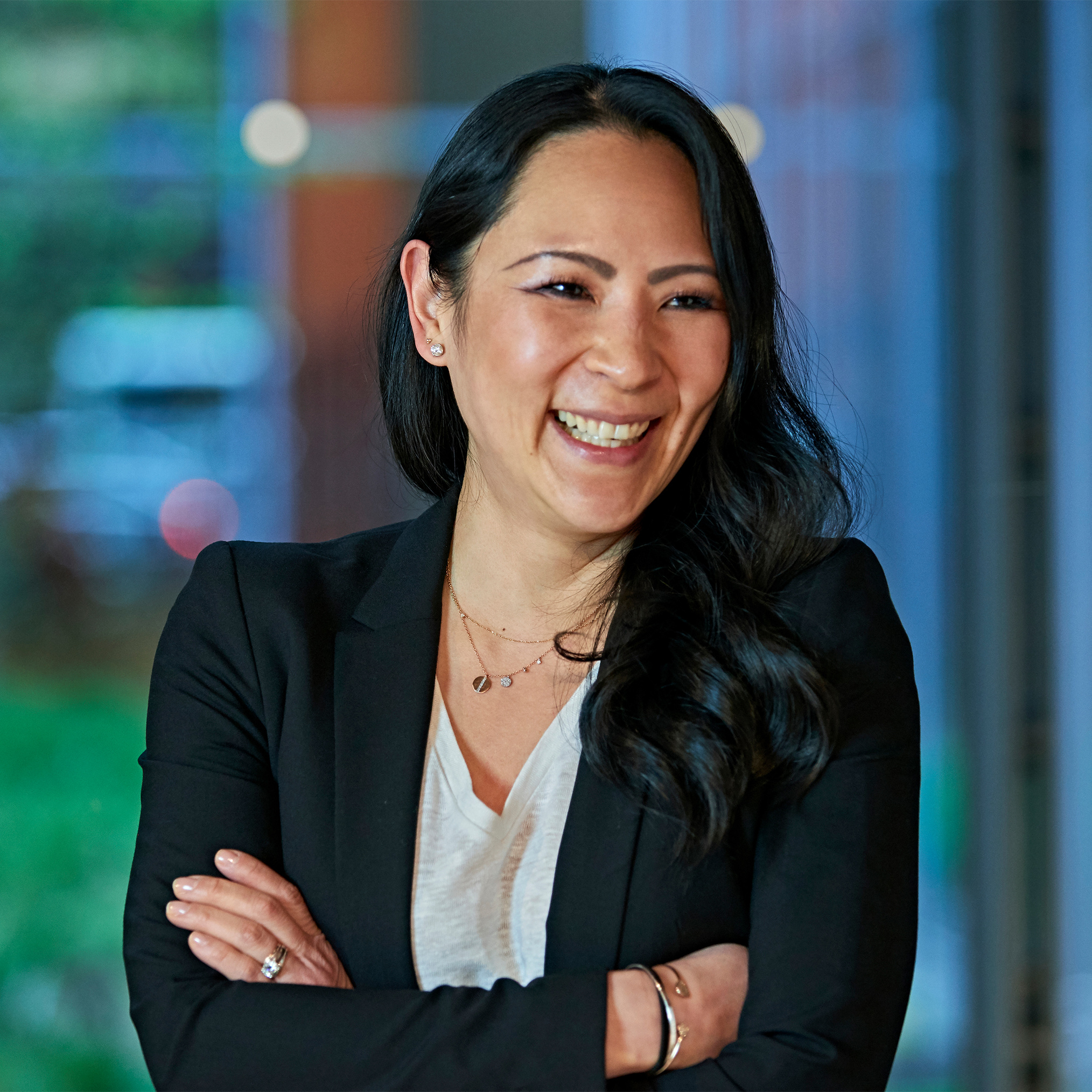
Welcome to Hospitality On The Rise, the podcast about the people shaping the hospitality industry and their journeys. I'm your host, Alice Cheng, Founder and CEO of Culinary Agents, hospitality's go-to hiring platform. And I'm here to give you your dose of virtual mentorship.
Here, we'll be sharing the stories, lessons learned, and advice from hospitality leaders who've carved out their own path to success. After all, this industry is where many get their start and go on to do incredible things.
Whether you're a pro, starting out, or just love the hustle, this podcast highlights what makes hospitality extraordinary, the people.
HOST: ALICE CHENG
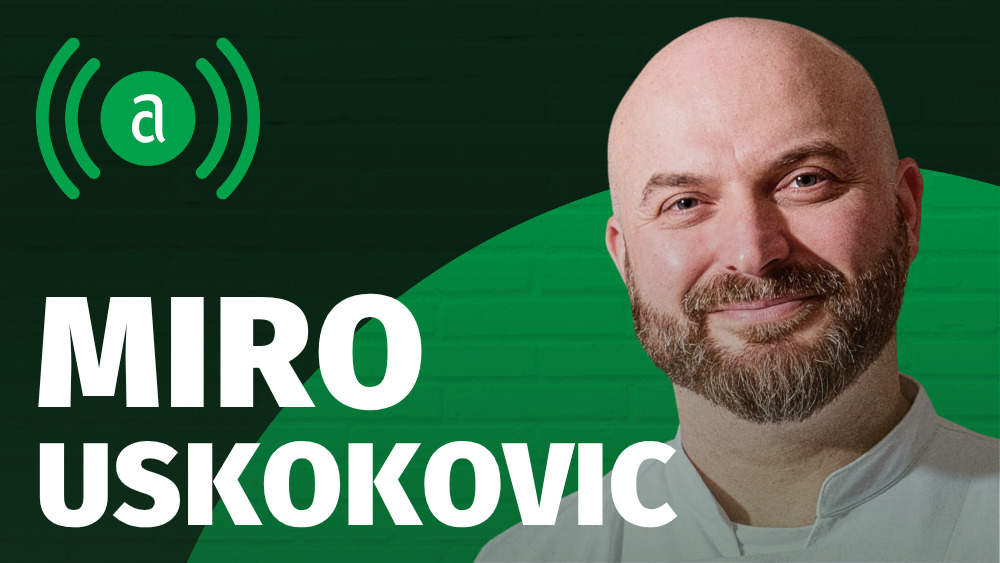
I'm so excited to have Chef Miro Uskokovic with us here today. He is the Executive Chef/Owner of Hani's Bakery and Café here in New York City. He's also a 2020 JBFA Finalist - Outstanding Pastry Chef, 2015 America's Top 10 Pastry Chefs from Dessert Professional Magazine. And his–I say this is your initial breakout bakery, Hani's, has gotten 2025 The Best Bakeries in New York City from Infatuation, 2025 The 15 Best Bakeries in New York City from Condé Nast Traveler. It's been featured in Bon Appétit's Made to Order Series, and ahead of its opening, Hani's was featured in Eater and New York Magazine and Grub Street.
Enough of that. Miro, it's so nice to see you. Thank you for joining us today.
GUEST: MIRO USKOKOVIC
Thank you, Alice. Thanks for having me.
HOST: ALICE CHENG
So we're going to get to all these things, but what we're interested in is how did it all begin?
GUEST: MIRO USKOKOVIC
How did it all begin in food? It began a long time ago when I was in college and I got a job in McDonald's.
HOST: ALICE CHENG
McDonald's, yes.
GUEST: MIRO USKOKOVIC
Yeah. You know, there was not that many jobs available at the time. I am from Serbia, so that's where I went to college. Usually in my country, especially a long time ago, going to school and working is not something that parents want or advise because they want kids to focus on school. But I was very persistent in getting a job.
And I applied to McDonald’s, and I got a job there, and I loved it. Even though it’s fast food, it was just amazing to see how the systems work. It was amazing to be behind the grill, grilling burgers and buns and such and just working with a team of people. And I really fell in love with just food preparation and all of those systems behind. And yeah, that was my first food job, and I always loved to cook at home and decided to pursue that as a career.
HOST: ALICE CHENG
And that's incredible. We talk about this industry being the largest first employer of folks. And it's such a flexible industry that oftentimes people kind of can come in and out of it. It's kind of there for you when you need it. And a company like McDonald's, it's a large operation machine, if you will. They have been wildly successful in many different areas and can really offer great exposure and sometimes help somebody potentially love it, love the industry and move in further in it.
GUEST: MIRO USKOKOVIC
I 100% agree with you. The food might not be the best, but the systems they have in place are really amazing. And even today, there are so many things that I have learned there in terms of organization and cleanliness and just maintenance that we utilize at Hani’s.
HOST: ALICE CHENG
Yeah, and I'm going to jump ahead and just expand on that, is we talk to leaders often and they say once they become the owner, their job changes a little bit. Different responsibilities, and depending on the experience that you got along the way, some people are more prepared than others to be able to manage those things or know how to set certain things up properly.
But we're going to rewind. We're going to rewind a little bit. So you spent some time at McDonald's, and you decided that this was something for you. Was that at the point that you decided you were going to go into this industry further?
GUEST: MIRO USKOKOVIC
Not exactly. That time I was in Serbia, again, attending college management and tourism, and I always wanted to be in the field. I loved travel, but I also loved food, and when I came to United States of America in my senior high school year as a foreign exchange student, the host family I stayed with, they saw how much I love food, they saw how much I love cooking because I used to cook often, especially when I was homesick and miss some food from home. And they were the very first one who suggested Culinary Institute of America. They said, “Hey, there's this culinary school that's kind of like Harvard of the culinary schools. Maybe you should look into it.”
But I decided to go back home and start college in management and tourism, and then I was like, “Okay, maybe this is not the right thing for me.” You know, I was working at McDonald’s, I was like, “Okay, I like food. Maybe I should go back to America and attend The Culinary Institute of America and pursue my career.” And that’s what I did. So I always credit my host family with pushing me in a direction and letting me explore that part of me.
HOST: ALICE CHENG
I love that. Sometimes you just need somebody to point out the obvious, right? And give you a little nudge in the right direction. So you went to school. I mean, obviously the CIA is a wonderful school. It also has a great network. And sometimes that can open doors to you to get started in your career after that. During school, were you already thinking, “I'm going to run my own business one day, I'm going to set up a…”?
GUEST: MIRO USKOKOVIC
I mean, everybody thinks of that, right? Like I feel that every single person wants to be their own boss and own a business. But to me, I was really kind of laser focused on getting the education, learning as much as I can, building those networks as you mentioned. And I had my eye set on New York City. I really wanted to go there, I really wanted to work there, and I was really pursuing first an internship and then an employment in the city. And I was fortunate and lucky that I actually had two internships during my time. I practically worked seven days a week, and I started first–because I used to study savory, not sweet. I wanted to be a savory chef in savory field, and I got a job at a Michelin star restaurant called Wallsé, which still exists. It’s an Austrian restaurant in West Village.
And then on my days off, I was really interested in pastry. So I've staged with Johnny Iuzzini, pastry chef who was at Jean-Georges at the time, three-star Michelin restaurant. It was very well-regarded. And I was really fortunate for him to give me that opportunity to work with him on my days off. And one thing led to another, and once I completed school, I decided to pursue pastry further, but not stay in school. I was kind of really eager and ready to go and start working. And my only pastry experience was kind of just limited to working with him a little bit and something before school. I worked in a bakery, a wedding cake bakery particularly. So it was very limited pastry experience, but he has given me the opportunity, and I started working for him at Jean-Georges, and I kind of quickly progressed from Nougatine to Jean-Geroges to a cook to a sous chef the next couple of years.
HOST: ALICE CHENG
Yeah, not a bad place to get footing in New York.
GUEST: MIRO USKOKOVIC
No, not at all, not at all.
HOST: ALICE CHENG
Yeah, and I remember he also had his signature quadrant dessert. It was all complicated and everything. And from there, at what point were you like, “Okay, I'm ready for my next thing?” Like did something happen?
GUEST: MIRO USKOKOVIC
I mean, he left, maybe halfway through my tenure there, he left, and then we had a new pastry chef, Joe Murphy. He was really great, he was completely different than Johnny. As you mentioned, Johnny was very molecular gastronomy, very modern. While Joe Murphy was, still is kind of an American direction. He loved more of an American approach to creating desserts. And then I had an opportunity come up, this restaurant which no longer exists, but it was called Aldea. It was a Michelin starred Portuguese restaurant ran by George Mendes, who was actually Johnny’s good friend. so Johnny suggested that George reach out to me when he was looking for the new pastry chef. And he did, and he was like, “Hey, do you want to apply for this job?” And I was like, why not? It was kind of scary, you know, I only had a few years of experience, but Johnny pushed me that direction, and George felt like I was the right fit for it, and I accepted the job. It was super scary.
HOST: ALICE CHENG
Yeah, I loved that restaurant.
GUEST: MIRO USKOKOVIC
Yeah, it was a great restaurant. It was really small, very intimate, but was a really great restaurant.
HOST: ALICE CHENG
Yeah, it was a great design. You could sit at the bar and you can also see into the open kitchen
GUEST: MIRO USKOKOVIC
Yeah, exactly.
HOST: ALICE CHENG
I loved it. I was sad to see that one closed, and George is great. So I'm glad to see that our paths probably crossed here, probably dining there, or at least having some popcorn at the bar during that time. That's a great thing you mentioned earlier also, is when you find places to work, doing a great job and connecting with your leadership there is important because that oftentimes opens the doors or even gives you the confidence that maybe you didn't have in yourself to either apply or go for an opportunity that maybe you might not thought you were ready for, but he clearly did, right? And so great opportunities. So always networking and talk to people and show them your capabilities and tell them what you're hoping to do. And things do fall into place sometimes.
GUEST: MIRO USKOKOVIC
Of course. I truly believe nobody's ever really ready for a new position, a new task. I think you just have to be ready to take on that task. You just have to be mentally ready to “Okay, I need to embark on this opportunity.” But you'll learn along the way, and you’ll get better, but nobody was born knowing everything.
HOST: ALICE CHENG
Yeah, absolutely. And especially in this industry when people see others who are eager and willing and capable, they generally and genuinely want them to succeed, right? So they will help out if they can, where they can, but both sides have to do their part, right? You have to put forth the effort and the attitude, and then the other side needs to recognize and nurture that and support it. So as you kind of continue with your leadership journey, I'm sure you've come across that many times. So I see from Aldea, you went to Piora. I'm seeing Piora pop up here.
GUEST: MIRO USKOKOVIC
Yes, I did. After I left Aldea, I was actually thinking of moving to West Coast, but then the opportunity at Gramercy Tavern appeared. Great chef, Nancy Olson, she announced that she was leaving, so they started a very rigorous and long process of finding a chef for Gramercy Tavern. And I wasn't working at the time, and it was, I think, it was like a three or four month period of interviewing, so it was a long time to go without work. You know, you're in New York City, so I had to pay the rent and bills.
HOST: ALICE CHENG
That pesky thing doesn't go away easily, huh?
GUEST: MIRO USKOKOVIC
Yes, so a friend of mine, SK Kim–who is now chef and the guy behind the famous restaurant, COQODAQ in New York City–he introduced me to his friend, called Simon Kim, who is now behind COTE and COQODAQ. And he was opening his first restaurant called Piora. So he reached out to me and asked, “Hey would you love to consult? We’re opening this Italian-Korean restaurant.” And I didn’t know much neither about Italian nor Korean dessert aside from just enjoying many of them in K-Town or some restaurants around the city, but I thought it was a great challenge and task to take on, and I spent a month or two months with him just developing the dessert for Piora.
HOST: ALICE CHENG
Yeah, I'm telling you, look, it's an example of you have these skills, and there's always ways to do side hustles or pick up something or fill gaps. And especially if it's for an opportunity that you know you really want and you need to wait a little bit for. So fast forwarding to Gramercy Tavern, which is where I met you and I got to taste all your delicious creations over the years. What was that like? You spent quite some time there, which we always love to see.
GUEST: MIRO USKOKOVIC
Yes, 10 years there. I think I might’ve been the longest running pastry chef there, I believe. Gramercy Tavern, I believe, is now 31, 32 years old. So it was quite an amazing experience. Again, I applied. Honestly, I didn't believe or think I'm going to get a job. You know, I've kind of done my best, but again, I was only in my 20s at that time. I had a limited experience. This was gigantic restaurant, a very well known Danny Meyer. And I was like, again, most of the chefs working there–I believe all of the chefs working there were American. After all, it's a contemporary American restaurant. So I was like, “Who's going to give a job to Miroslav Uskokovic, to represent such a classic American restaurant?”
But they did. I was actually really shocked and surprised when I got a call. They actually invited me in for a dinner with Chef Mike Anthony. They didn't say anything. They didn't say any job offer. They just invited me for dinner, and we had lovely dinner. We had a lot of food, a lot of wine. We left very happy and tipsy, and I remember coming home and speaking to Shilpa, and she was like, “Did you get a job?” I was like, “I don't know. We just had a little bit of time. I don't know if I got a job or not.” And then the next morning, I got a job offer, and I just couldn't believe it, honestly. It took me two or three months just to even kind of absorb that, and like really, they gave me a job, you know?
HOST: ALICE CHENG
Yeah, and what's incredible, especially because for those of you who don't know, Gramercy Tavern is such an institution. It has its significance not only within Union Square Hospitality Group and in Danny Meyer's personal journey, but also just in and of itself as a place that has just produced so many leaders and people in this industry.
GUEST: MIRO USKOKOVIC
Yeah. Tom Colicchio, Michael Anthony, Claudia Fleming. I mean, you could go on and on.
HOST: ALICE CHENG
Yeah, so congratulations on that, which was a long time ago. I'm going to have you relive all this stuff. I love these timelines because we do research, sometimes we uncover things that people might have forgotten. Because you spent quite some time there, what were some learnings you might have had from the beginning to five years in or multiple years in?
GUEST: MIRO USKOKOVIC
How much time do we have? Wow, in 10 years, I've learned so much, and I was there during really a crucial period of time where we have seen a lot of changes and transition, and this is post-recession 2009, so there was a lot of change that happened there. And then again, when they went into hospitality-included, which was their new tipping system, which was kind of big overhaul for the whole restaurant group. That was really amazing to be part of that.
And then COVID, pre-COVID, post-COVID. So there was really a lot of different eras within those 10 years that kind of exposed me to so much and prepared me to be not just a chef that I am today, but also a businessman, most importantly. And I was very fortunate to work for such a great company. It's not just the Gramercy Tavern, but Union Square Hospitality Group in general, which was super serious. It had many different departments from accounting, from legal, from PR and marketing, and I got firsthand to experience all of them.
Even though I was just a pastry chef, I always told them from the get-go, “I don't want to be here just creating desserts and creating menus. I want to be in every single room, in every single meeting, regardless if it's the forecasting or the PR and marketing” or whatever. No matter how important or not, no matter how boring or interesting it is, I want to be in their room even if I'm just sitting and listening because I felt like, again, I always wanted to be my own boss and own my own business. And I felt, okay, I have this great opportunity that's given to me, this great stage, and the only way to learn is, again, to be part of every meeting, every conversation, every room, and just try to gather as much information as I can and prepare myself tomorrow when I take the step of opening my own business.
It was really amazing. They were very excited for me to do that. Even if they didn't need to ask me for my opinion, they did. It was really amazing and fascinating. It was 10 years. Some people always tell me, well, it was a long time, and maybe it was long. But I felt as long as I'm still learning, I'm still progressing, I'm involved. There's always the right time for everything, and I'm not a person who rushes to making my decision. I believe everything comes at a right time. When I felt like there was no more growth for me, I felt like I was kinda ready to take the next step. I decided to give them my notice and inform them that I want to pursue my own career.
HOST: ALICE CHENG
Yeah. I mean, it's wonderful. You talk about, I mean, 10 years fly by like nothing, I think, these days. And when you're already working and set up with and learning from one of the best, and you're getting the opportunities, and they're embracing your curiosity and teaching and welcoming the fact that you want to learn, right? We've seen that overall with businesses and leaders who nurture that. It's really a beautiful thing, right? And some businesses and leaders understand that more than others simply because maybe they got that experience when they were kind of going up through the thing, so it's kind of like getting passed down. But I love to see that, and I know that you also had opening experience in between that time as well at Untitled, which was also really fun. I mean, I feel like I've eaten your pastries and cakes at all the different places.
GUEST: MIRO USKOKOVIC
Yeah, in 2015, not even a year and a half, I think, after I started Gramercy Tavern, one type at the Whitney Museum and then Untitled at the new Whitney Museum was sort of becoming works but with a different team at the time, and the kind of re-shifted the opening and they decided to bring on Michael Anthony, who was and still is the executive chef of Gramercy Tavern.
We had a great working relationship, and he's like, “Would you like to come create dessert menus for Untitled as well?” And I said yes, and to me, I was very excited about it because Whitney is a great American museum, and Untitled was to be representation of that. Gramercy Tavern is, as well, an American institution, but it's a little bit more fine dining and fancier and more intellectual, I would say. While Untitled had a cafe portion as well, close to the cafe, was supposed to be a lot more simpler food, a lot more simpler desserts than what we were doing at Gramercy Tavern.
So I was really excited to explore that part of me too, for the most of my career, from Jean-Georges to Aldea to Gramercy, I was creating beautiful and very composed desserts. Didn't really get to make a cookie or a cake or a pie. So it was a great experience for me. And I think it's also when people kind of started noticing me and my creation, especially when I put a triple chocolate chunk cookie, and I included a side of milk at Untitled. And this was in 2015, this was this first wave cookie craze around the city. You know, Instagram and all this food media was taking hold, and things were going viral, I guess. So I remember our cookie, and also Maman’s. Maman opened at that time, they also had a macadamia chocolate chunk cookie as well, so it was always kind of the best cookie. I think Culture Espresso also started at that time too... This is when I realized, okay, I guess people really like more simpler, more nostalgic desserts, and I'm kind of leaning to that at both Untitled and Gramercy Tavern, and people love it.
HOST: ALICE CHENG
Yeah, and we're going to get to it, but your Hani's cookie is incredible. So I feel like some things just don't ever go out of style, right?
GUEST: MIRO USKOKOVIC
No, I became known for cookies. Everybody always know me for my cookies. So I was like, okay, I'll just lean into it.
HOST: ALICE CHENG
Give the people what they want, Miro.
GUEST: MIRO USKOKOVIC
I give the people what they want.
HOST: ALICE CHENG
At what point were you like, I know you mentioned you started thinking about, “Okay, might be time to move on”, etc. Take me through that process. Did you already have in your mind where you wanted your business, what the concept was gonna be? Was that all happening simultaneously?
GUEST: MIRO USKOKOVIC
I started thinking about it first right before COVID hit, like in 2019. I was thinking, “Okay, it's been almost seven years now…” At that seven year age, “What am I gonna do next?” And I wanted to open my own business, but things were not very welcoming, and still they're not welcoming, New York City, for small businesses. Especially back then with rent being so high, everything being so expensive, and there was really no bakery boom at that time aside from, like, nobody can sell in a couple of places, not like it is today. So I kind of felt it's just too expensive and too impossible for me to open my own bakery in New York City at that time.
And I was just trying to explore, like, where can I move? I was thinking of D.C. I really love D.C., it's my second favorite city after New York. I was thinking of Boston, but then COVID happens. We all know how that goes. We weren't sure what's gonna happen, what's next. I go back to work at Gramercy Tavern, even though I’ve loved working there, you do need a job.
And then I started thinking seriously about opening my own place, and I believe that we have seen a little shift and change happening in New York City at that time. We have seen people kind of started embracing baking a lot during COVID, people embracing buying baked goods from other people during COVID. We were at home, me and Shilpa were baking and selling it to our neighborhood and our community, and we’ve seen so many other folks do that. And then we also have seen prices kind of go down, especially in our real estate, and opportunities opening up, both for a better rent, but also we've seen interest from other people and investors investing in businesses like bakeries, not just restaurants.
We've seen the increase, we actually have sustained much better during COVID just because it is more a takeout concept. You know, it's easily to switch to takeout concept in the bakeries than it is for the restaurants. So they're a lot more resilient and were resilient during COVID. So I think it was just like this perfect storm of people's interest in baking, baked goods has risen, their support for pastry chefs and bakers as well, and then investors and landlords. All of that more favorable of pastry chefs and those opening bakeries.
And we wrote a business plan. I started pitching the idea to investors and started looking for a space, and it took a very long time. It took three years. I actually was not prepared for that. Everybody could tell you now it's going to take you at least a year or two. But it took three years for me to find the place, actually. It didn't take a long time to actually convince people to invest and to support you. I already have the background, I already had a resume, I was in Gramercy Tavern, as you mentioned, James Beard Award, all of those things.
So it wasn't really hard for me to convince people to trust me and believe me, but it really took a long time to find a right space in a right location that I felt confident and excited about. Most of our investors are small investors, like friends, family, colleagues, people who have known me and followed me. We have no millionaires, billionaires, no restaurant group behind us. So budget was limited. And also there was kind of a lot of burden on my shoulders to make sure that I really get it right. And I was telling myself, “Just take as long as it takes no matter how stressful it gets, no matter how frustrating it gets, you really need to make sure that that location that's based is the best possible that you can get before you sign the lease.” Because once you sign a lease, you're tied to it for like 10 years, and as we all know, it’s all location, location, location, that's what really matters.
HOST: ALICE CHENG
Yeah, that's a great location you have. And sometimes, like, you're describing it, but to recap, sometimes timing really matters, right? And you're describing this perfect storm of, okay, that the market is right. There's been an evolution over the past handful of years, not just on the guest side, but also on the worker side and hospitality in general. When you marry all those things together, it's more about putting the right pieces in the right place and then moving forward. And that only comes from experience, that comes from years of working and building your own personal foundation to have that confidence to project to your investors. You say it's easy to, that wasn't that hard, but obviously you worked to get the accolades and the reputation and the track record.
So sure, it's easy to be like, you're probably going to work even harder and do even more when you're doing it for your own business in a way, just inherently. So kudos to you, congratulations. Everyone's journey is different. Sometimes people have the space, but they can't get the money. I think it's all about making sure you're thinking about all the different moving parts simultaneously and making sure everything's lined up so that you can take advantage of the perfect timing of it.
Okay, what were the biggest challenges when you were opening up?
GUEST: MIRO USKOKOVIC
Yeah, I feel like opening up–and now it feels so easy–I think running the place is 10x more hard than opening. There was a lot of challenge. First challenge was finding a space. I probably have seen 150 different spaces, and we've negotiated probably three or four different leases, and they would kind of fall apart in the last minute. It was really difficult, actually, to convince a landlord to trust you and to believe you. Even though you have all this experience, even though we had investors and the money in a bank, that wasn't enough. Oftentimes, we have heard–because both me and my business partner and spouse, we’re both from another country, and all our families are there. So we didn't really have anyone in here to be our guarantor, and not a lot of people tell you that. Just like when you're looking for the apartment, when you start also for opening a business, you do need some form of guarantee to provide to the landlord, and few of our negotiations kind of fell through because we just did not have a guarantor in New York City who could vouch for us if something goes wrong.
HOST: ALICE CHENG
Interesting.
GUEST: MIRO USKOKOVIC
It didn’t really matter much to them since we didn’t really have anything to our names, if not in this country. Whatever we had at home didn't really matter to them. So that was really hard to convince somebody, “Ok, just give us a chance.” Because to them, most of the landlords, they really have no clue what Gramercy Tavern is, or they don't understand really the gravity of your experience and such. For them, it’s just about, “Do you have money, or are going to be able to make the money and stay in business so you can pay the rent?”
But we did, we were really fortunate. I always believe everything happens for a reason. You always hear scary stories about the landlords, but we have the best landlords. I mean honestly, I'm not just saying that. They’re amazing, they’re great. We could not have asked for a better partner in this. They're always on our side. We pay our rent every month. Every first of rent, we're very good as well. We’re very good tenants, but they're really amazing. Even they went and helped us even beyond what we agreed. They have given us even more money to fix things that just kind of appear last minute, like our AC or fixing our tree pit in front or helping us during certain crises that we had, like closing during the winter.
So we really got a jackpot when it comes to landlord. You hear a lot of people giving you a horror story. That was not our case, so maybe just all this trouble, maybe all the issues that we had along the way for three years kind of was for the reason, led us to these people and led us to this space.
Other than that, I mean, every part was challenging, you’re a chef. I had a lot of experience, I've learned a lot, like during my time at Gramercy Tavern, but when you start to build a space, there's so many things you really don't know. Like, I didn't know anything about electricity, I didn't know anything about the architectural part or designs or plumbing or anything like that. So even though I didn't do it myself, you have a team and contractor, you still have to educate yourself and know certain basics because here you are managing at least a team of 20, between the designer, between the brand design, the space designer, the architect, the contractor who also has 15 people working for them. Then the bank, accountant. There's so many people who you have to manage, and you are the center of that, and you don't know every single thing to the greatest detail, but you kind of have to quickly rely on Google search or something to find out “what is amps”. I have no clue what amps mean. When they were telling me, “How many amps do you need in this space?” I was like, “I don't know.”
Then I have to find out what the amps mean and then go and do research about every single piece of equipment and how many amps it needs. I had no clue that panini press needs more amperage than all of my mixers put together. Like 20 amps is one panini press, and I already purchased two of them, and we didn't have enough of amps in our space. If we only had 400, and we needed 600. I had to go back to talk to a landlord, to Con Edison. There was so much that I had no clue about, even with all of my experience of opening places and such, that I had to learn quickly. But it worked out at the end.
HOST: ALICE CHENG
Yeah, I mean that's part of the journey too, right? And all the decisions that you had to make that would have long-term impact that you know that if you had to change, would probably cost twice as much, all those things all at once. The lesson there also is find a partner in your landlord and get on the same page, or at least get to know them a little bit and build whatever positive relationship you can get because it could have an impact on your personal stress, on financial impact, on anything else.
GUEST: MIRO USKOKOVIC
Yeah. And trust your guts at your opening. Again, you're managing so many folks and so many people and so many opinions and after time, there will be conflicting opinions they're giving you. Everybody just looks after themselves, right? Their own part of the work. And you have to know how to balance that, how to balance these people. And sometimes when there's some conflicting information, you just have to go with your guts and make the decision.
I remember during the–this kind of maybe sounds irrelevant right now, but at the last stages of our build out, there was a big issue and a conflict. “What is going to be the color of our storefront?” And there were six people involved in making the decision. We think about it as not an important thing, but it actually became one of the most important decisions that we have ever made in the whole buildout process. And our interior designers envisioned it as like a light blue, which I wasn't necessarily excited about because all the doors always kind of lean in the blue direction, and it seems kind of repetitive and basic.
But our branding designer, who didn't do the space, she just did the boxes and the packaging for us, she was like, “Why don’t you guys go with green? You’re on St. Marks, the green is part of your color, just go with green.” And the building is red, our building is red, like a brick red. And our interior designers almost lost it. They're like, “No,” they were about to walk away from the front. Like, “We don't want green.” They're like, “It's so tacky, it doesn't look so good.” And both me and Shilpa, what should we do? I was like, you know what? Let's go with green. Both of us, I was like, let's go with green because it kind of stands out. It was like a bright green color. And even if the building is red, it kind of stands out. The storefront will stand out a lot more, and we’re kind of in a crowded street kind of space, and honestly it became one of the most important decisions we have made because people always take a photo of our storefront, and it kind of became this thing. And it’s so impactful.
HOST: ALICE CHENG
I love it. And sidenote, I have to give a shout out, I know everyone talks about your chocolate chip cookie, and I can say this because I've tasted a majority of the things on the menu. I have to go, I haven't seen some of the new items. But that rice krispy treat, please never take that off the menu.
GUEST: MIRO USKOKOVIC
We won’t. We'll never decrease the size. It's a gigantic, it's like a huge block, like it's probably serves like five people. But it was the funny thing how we put it in a menu because we were like, “Okay, let's put something on the menu.” We needed something in the menu that was kind of an easy lift in terms of production. A lot of our items, and still most of our items are so involved because I come from the restaurant pastry chef. Our head baker, Daniel Alvarez, who's great, who’s my right hand, and he's been helping me all throughout to make Hani’s happen. He's also from the restaurants, from the Union Square Cafe, from Daily Provisions, he was with me at Gramercy Tavern. Shilpa as well, though she's at Bon Appétit, she worked at Marea, Milena, NoMad, and so many places. We all approached dessert creation like pastry chefs from the restaurants.
So everything has always become complicated. So we're like, “Okay we need to create something that's kind of like easy to make.” And Shilpa published for Bon Appétit a peanut butter rice krispy treats we love, and she always makes it at home and enjoy. It was peanut butter-browned butter. And we already had like two or three desserts with peanut butter, and we were like, “We cannot have another peanut butter item on the menu.” It’s kind of American, but let’s lean in to something different, and her being Indian, coming from Balkans, like that's where pistachio and halva both are very traditional, and we were like, how do we do that?
And we made pistachio halva rice krispy treats, and genuinely I thought like, no one–I mean, most people will buy, but I didn't realize it's gonna be so popular that we now probably make a full sheet tray. You know what I mean? We probably make like two to three full sheet trays of rice krispies a day and sell them. And we kind of made them super large because I felt like, oh, it’s a rice krispy, you know? People make that with kids at home, and here we are, pastry chefs making that in an artisanal bakery. So I was like, okay, how do we attract people besides adding pistachios and halva? So we can just make it big and make people think about that.
HOST: ALICE CHENG
I mean, there you go. This is R&D development. This is product development here at its finest.
GUEST: MIRO USKOKOVIC
It’s working. When I came to America and went to Indiana, everything was just super-sized portions, so I was like, let's just lean into that. Lean into that American big food.
HOST: ALICE CHENG
Make it big and see how that goes. I love it. All right, on that note, we're gonna go to quickfire. What advice would you tell your younger self?
GUEST: MIRO USKOKOVIC
It's all gonna be good. It's all gonna be good at the end. No matter how bad sometimes things get, it's all gonna work out.
HOST: ALICE CHENG
What's your advice for someone struggling in the industry?
GUEST: MIRO USKOKOVIC
Same. Just don't give up, things get tough. You might even get a nervous breakdown. Just persist. If you fall down, just get up and move forward, and you just have to be positive.
HOST: ALICE CHENG
What's your advice for fellow hospitality leaders?
GUEST: MIRO USKOKOVIC
Focus on your team the most. There's 25 people working at Hani's Bakery. I just practically supervise everything, but without Daniel, without Jack, without Shilpa, without Kelly, DJ, Kevin, I would not been able to manage, and Hani's would not be what it is today. And you need to treat them well, you need to pay them well, and you need to do everything you can to maintain the good staff and make sure that they're happy and stay with you as long as possible.
HOST: ALICE CHENG
On that note, Miro, thank you so much for taking time out of your busy day to come join us. I cannot wait to get down there and taste what's new on the menu, and I look forward to seeing you.
GUEST: MIRO USKOKOVIC
Yeah, thank you very much. Have a lovely day.
HOST: ALICE CHENG
Remember, success looks different for everyone in hospitality. No two paths are the same. If you have a leader or a topic you want to hear about, email [email protected].
Hospitality On The Rise is brought to you by Culinary Agents, connecting top talent with employers since 2012. Whether you’re hiring or looking for your next opportunity, join us at CulinaryAgents.com
For more inspiration, subscribe to Hospitality On The Rise and visit HospitalityCareerPaths.com, a free platform by Culinary Agents.
Thanks for tuning in! Remember to like, follow, and subscribe. And if you loved this episode, share it with someone who could use a little inspiration.


